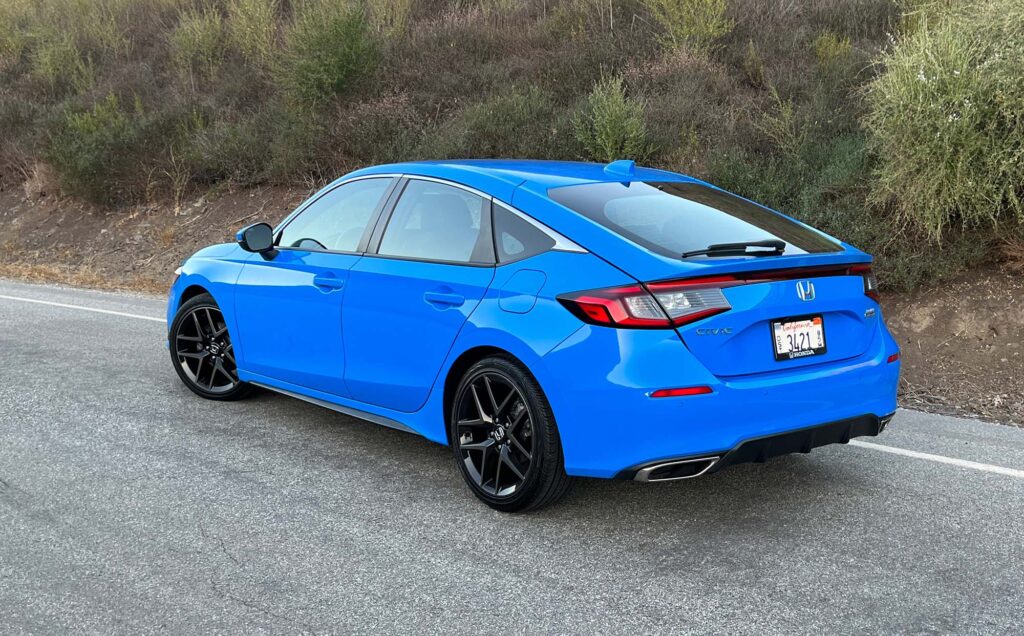
Welcome to our hatchback hybrid reviews hub, a comprehensive guide to conventional hybrids and plug-in hybrids in the U.S. market. Here you'll find clear explanations of powertrains, fuel economy, battery systems, charging, and everyday practicality to help hatchback buyers compare models.
Hybrid cars combine internal combustion engines with electric propulsion to stretch fuel efficiency without charging stops. Conventional hybrids rely on the gas engine and regenerative braking, with no sustained electric range. Plug-in hybrids add a larger battery and the option to charge from the grid, enabling shorter trips powered mainly by electricity. This hub explains powertrain types, performance, and total ownership costs in everyday driving.
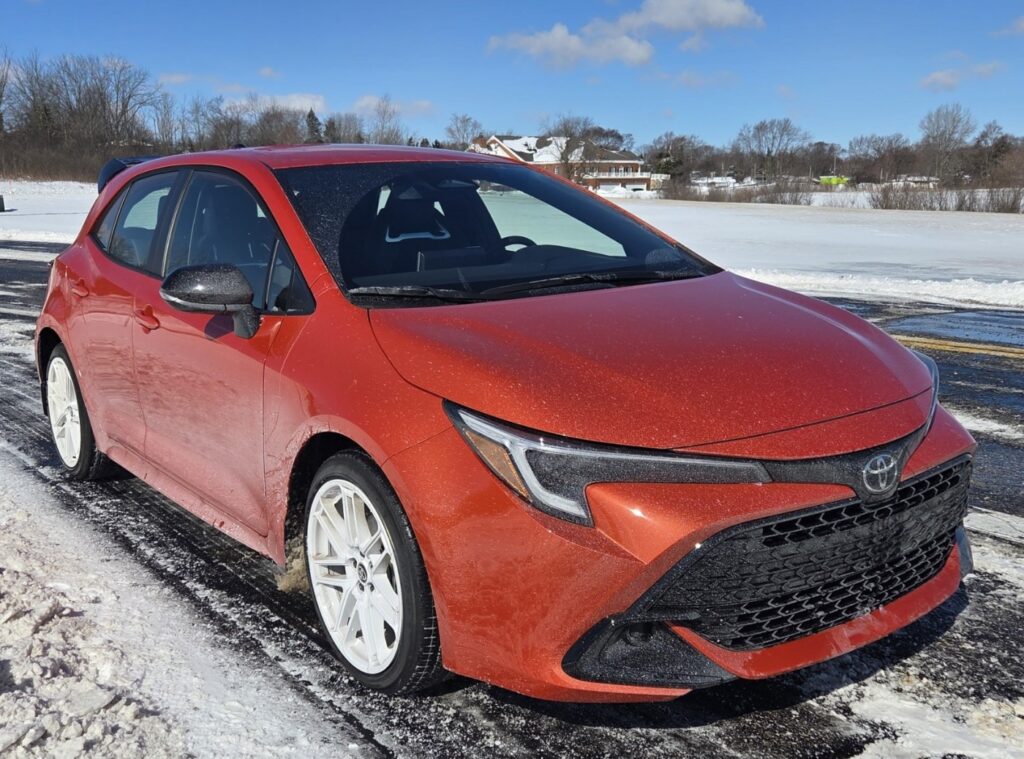
Hybrid Powertrain Basics
Conventional hybrids use an internal combustion engine paired with an electric motor and a small battery that recharges during driving. They do not require external charging for daily use; the hybrid computer manages when to run the gasoline engine or electric motor. Benefits include smooth, fuel-efficient operation in city driving, reduced idle, and seamless power delivery without the need to plug in.
Plug-in hybrids add a larger battery and the ability to charge from an external outlet, allowing meaningful electric-only range for short trips. When that range is exhausted, most PHEVs operate as conventional hybrids. Ownership considerations include charging access, electricity costs, and the potential for lower fuel bills depending on daily driving distance. Battery size and electric mode availability vary by model.
Segments at a Glance
In this hub, you'll find dedicated sections for hybrid SUVs, sedans, family vehicles, luxury hybrids, and performance hybrids, plus new and used hybrid reviews and cross-model comparisons. Each category highlights how powertrains translate to real-world fuel economy, daily usability, and maintenance costs. For deeper dives, see model-specific reviews linked within each category.
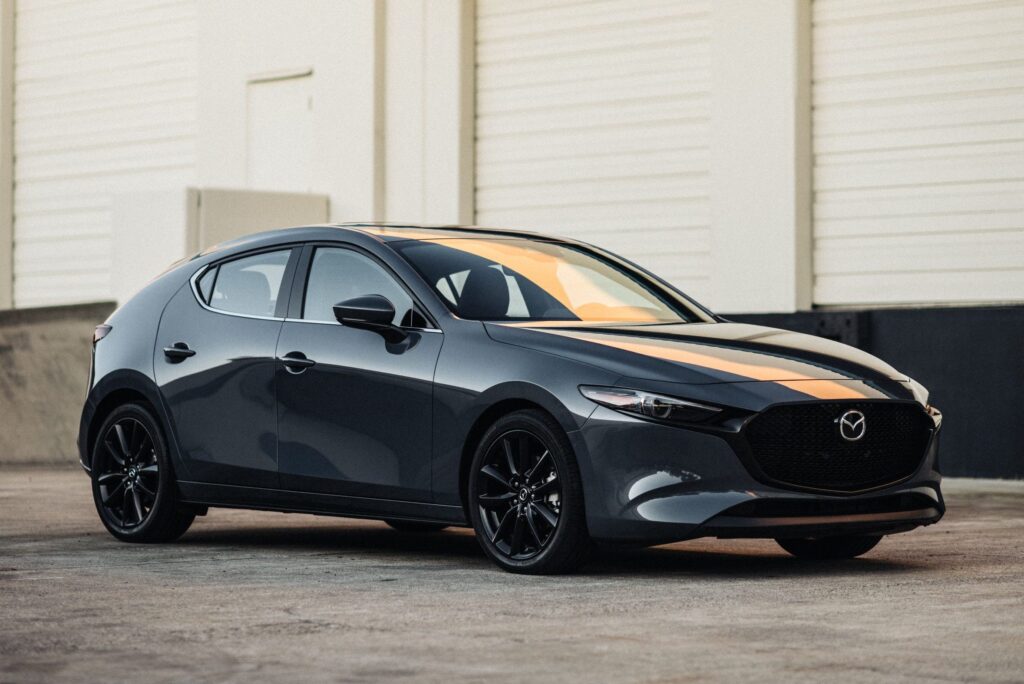
Our year-by-year hybrid review hub links to in-depth coverage across conventional and plug-in models, letting you compare design, drive feel, and ownership across generations. For readers shopping new, explore the latest hatchback hybrid reviews, while used-hybrid pages reveal long-term maintenance trends and reliability considerations. Expect clear, model-agnostic comparisons that emphasize practicality, warranty, and total cost of ownership.
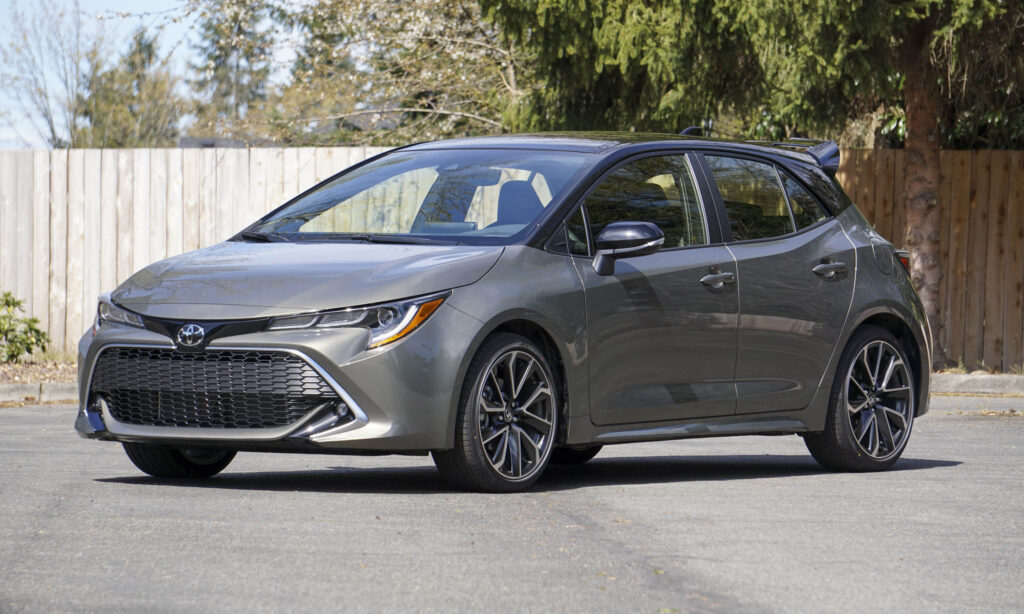
In daily use, hybrids often feel familiar: quiet operation, smooth transitions between power sources, and regenerative braking that recovers energy on stops. Reliability and maintenance patterns tend to follow the same path as conventional gas-powered vehicles, with added battery considerations depending on model and warranty. Owning a hybrid means budgeting for occasional battery-related components, routine service, and potential insurance considerations tied to electric components.