
1979 datsun 280zx marked a turning point in the Z-car lineage, blending sport with livability. The year introduced refinements aimed at everyday use while preserving the core driving vigor that defined late 70s Japanese sports cars. The result is a classic that's approachable for enthusiasts who want a usable, vintage coupe rather than a museum piece. It sits between the raw pulse of the early Z and the more refined cruise of the later ZX models.
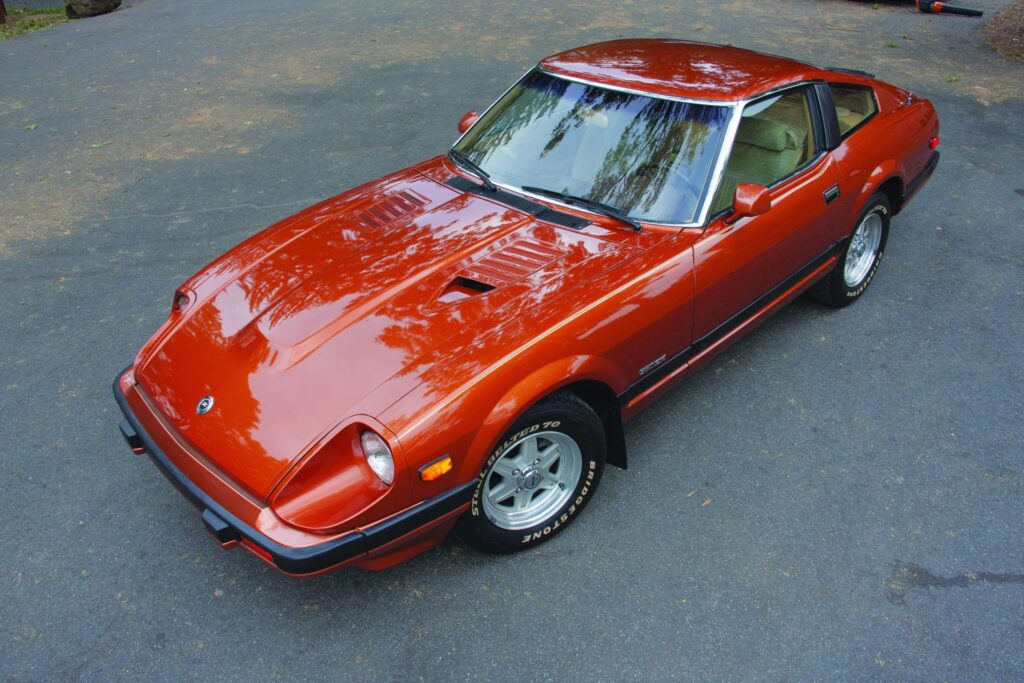
One pervasive myth about the 1979 datsun 280zx is that it’s a brittle, high-maintenance relic. In reality, the model benefits from a durable, straightforward design and widespread parts availability. With sensible care—cooling system checks, ignition tune-ups, and routine fluids—the ZX can still be reliable for weekend cruising or local shows.
Powertrain and performance
The L-series inline-6 at the heart of the 280ZX is celebrated for durability and smooth midrange torque. It rewards regular maintenance and thoughtful tuning rather than brute-force upgrades. In day-to-day driving, the engine delivers steady pull rather than explosive acceleration, which suits the car’s balance of comfort and sport. Keep cooling flows healthy, and timing and ignition in alignment; those steps address the era’s tendency toward heat-related performance drop. The result is engine behavior that feels confident on a winding road rather than dramatic on a drag strip.
Transmission and drivetrain behavior vary by market and trim, with manuals offering a more involved driving experience and automatics prioritizing ease of use. A well-sorted clutch linkage and smooth shifting are signs of proper maintenance, while a worn set can make the car feel vague at the bite point. Either configuration benefits from good alignment, clean gear selectors, and a dry-sounding drivetrain—noisy clutches and sloppy shifts are red flags that invite deeper inspection.
Chassis and handling
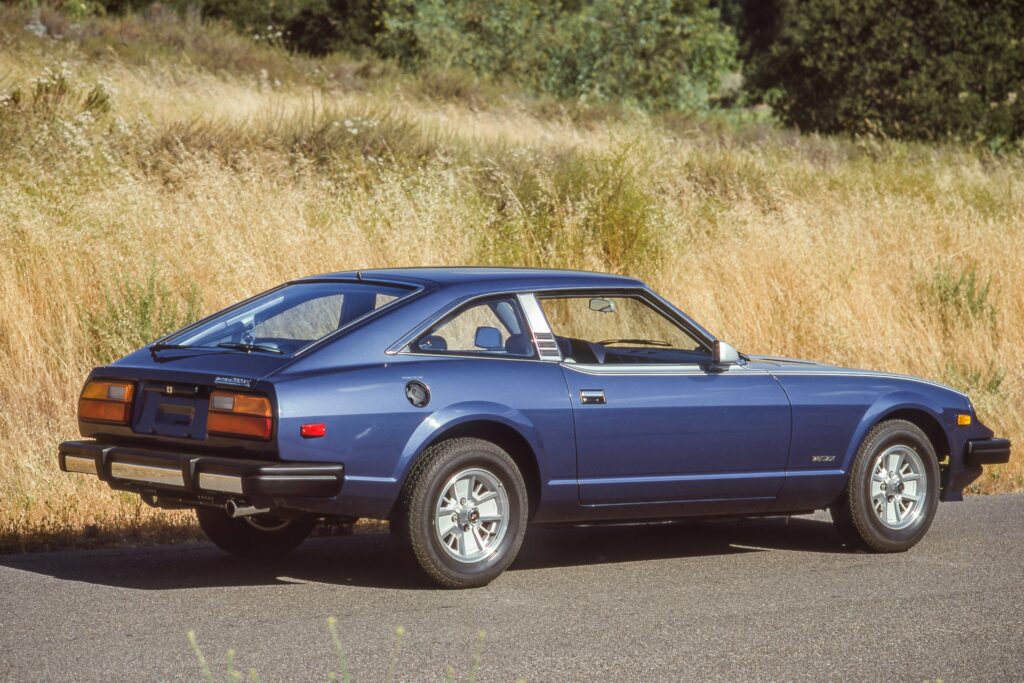
Chassis and handling bring a refined ride to the ZX without sacrificing the sense of immediacy that defines Z-cars. The platform balances a modest weight with a strong backbone, and the suspension layout—paired with progressive dampers and stabilizer bars—helps the car settle into corners with composed poise. The steering feel, though not razor sharp by modern standards, communicates grip levels clearly and invites confident cornering.
The trade-off is that aging bushings and worn mounts can soften response, so a methodical refresh of steering, suspension, and alignment can noticeably sharpen turn-in, reduce body roll, and improve overall confidence behind the wheel.
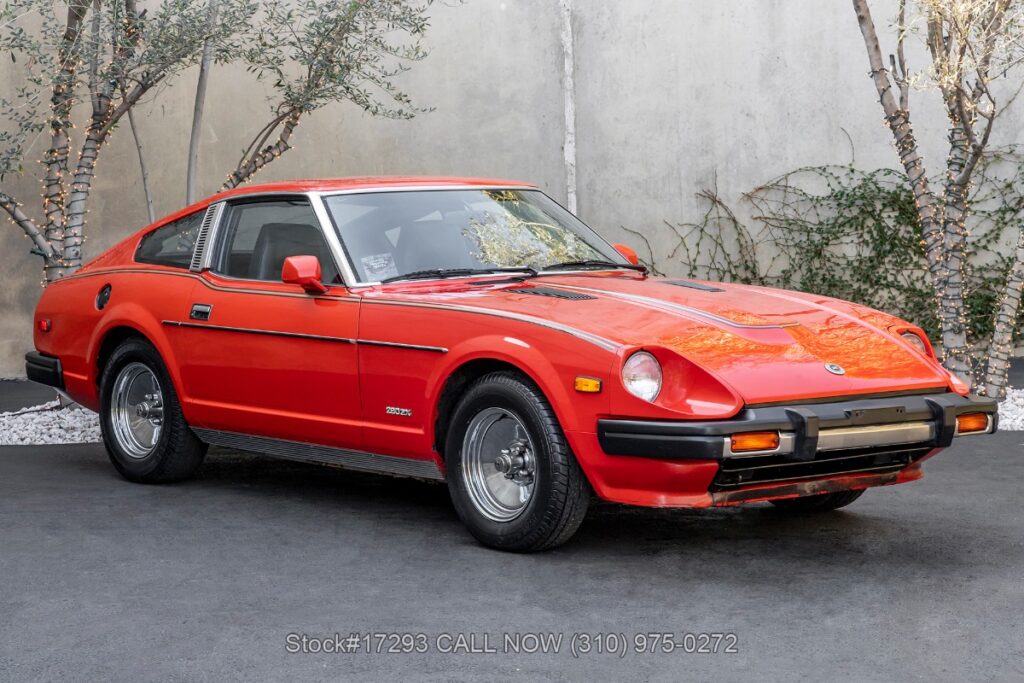
Interior and usability: The cockpit was upgraded for comfort and visibility versus earlier Z models, with better seating position and instrument layout. Cabin space is practical but not cavernous, especially in the rear on four-seat configurations. The dash and switchgear reflect late-70s design logic, which means some controls may feel dated to contemporary users. The true wins are durability and accessibility: seats are comfy enough for longer drives, and the climate control system, when maintained, makes the car pleasant in everyday conditions.
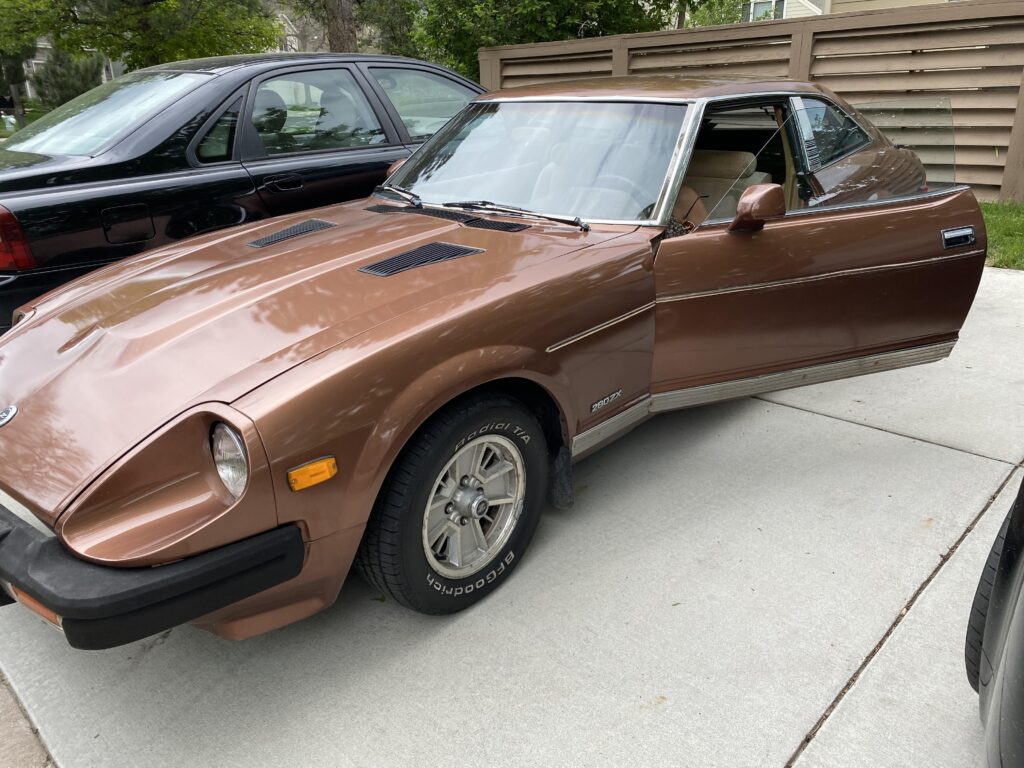
FAQs: Is it practical for weekend cruising? With a sensible refresh plan, yes. Are parts easy to source? Yes, many components are widely available. What should buyers inspect? Focus on rust-prone rails and a solid cooling and ignition history. Final thoughts: the 1979 datsun 280zx remains an engaging, approachable classic if you respect its vintage limits and maintain it thoughtfully.


