This 2026 GMC Savana review focuses on long-term ownership, weighing practicality, running costs, and reliability. It separates manufacturer claims from independent data and owner feedback to help buyers decide whether the Savana fits business, fleet, or personal-use needs.
Across this review, the focus stays on long-term ownership: what it costs to buy, service, insure, and keep the Savana on the road for years. We balance GMC's claims with independent testing, safety data, and owner reports to paint a practical picture. The goal is to help buyers forecast total cost of ownership, not just sticker price.
Whats new for 2026
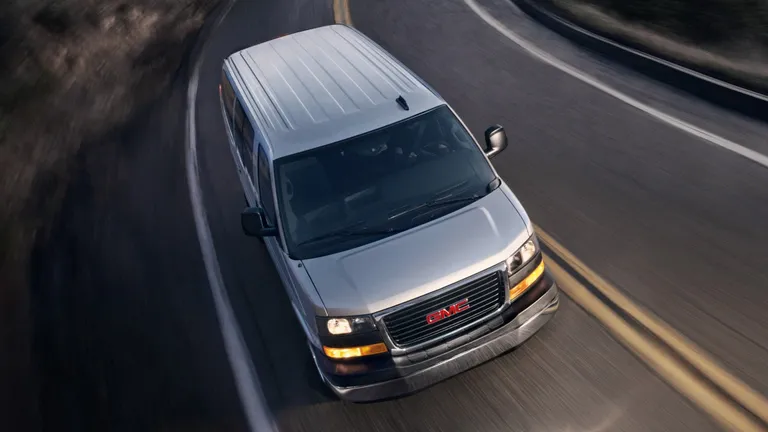
Details on 2026 Savana updates are not widely published in public materials, so this section relies on dealer notices and official GM statements when available. Any changes tend to be incremental, focusing on infotainment refinements, driver-assistance availability, and trim-specific package content rather than a full refresh. Verify exact features with a GM dealer.
On the road, the Savana emphasizes purpose over sport, with a stable feel and predictable behavior in work scenarios. The suspension is tuned to carry weight, so ride comfort varies with payload but remains controlled on highways. Acceleration depends on the engine and load; with full cargo, it won't feel quick, but momentum is maintained for highway merges. Braking is confident and pedal feel is strong.
Interior and space
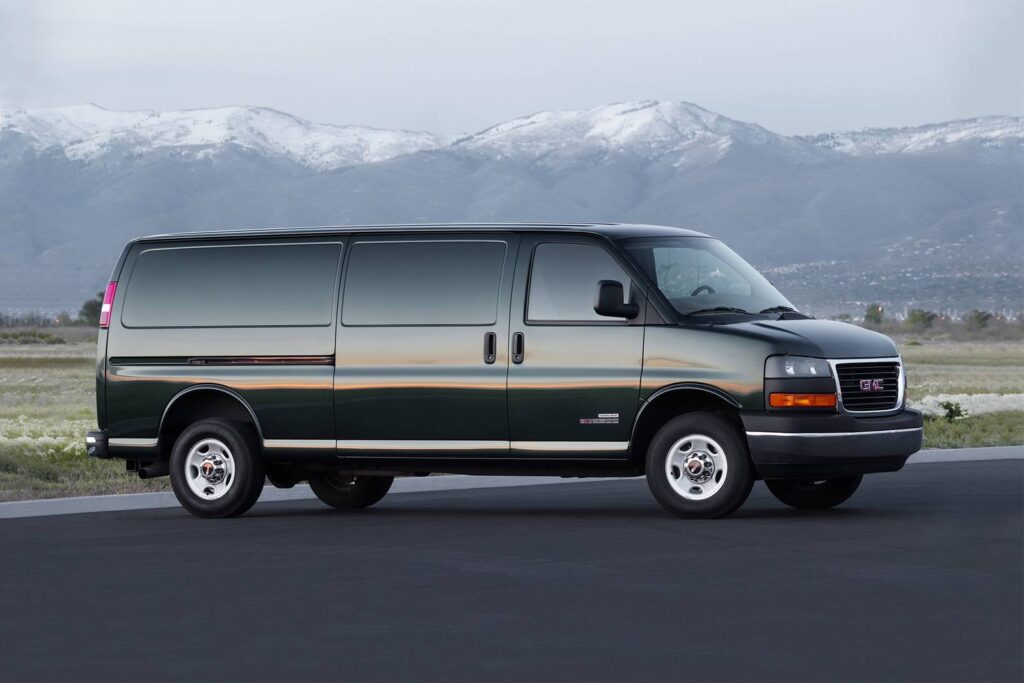
The interior prioritizes durability and function, with wide aisles, easy entry, and configurable seating. Higher trims bring better materials and a more modern instrument cluster, while lower trims lean rugged and basic. In fleet use, drivers will appreciate the simple controls, abundant headroom, and cargo-permitting configuration; but sound insulation and premium materials are noticeably modest.
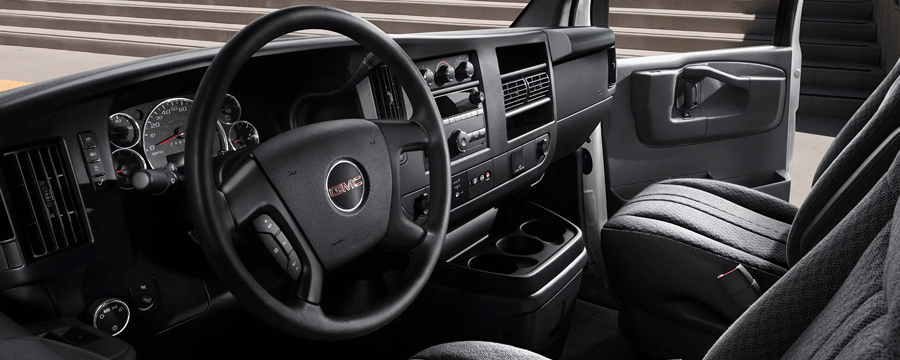
Technology and safety features in the Savana aim for reliability and straightforward operation. An available touch screen and basic connectivity are common in higher trims, while lower trims rely on analog instrumentation. Safety packages exist, but availability varies by trim and market; consult current GM brochures and independent safety assessments to understand how this van performs in real-world crash tests and driver-assistance evaluations.
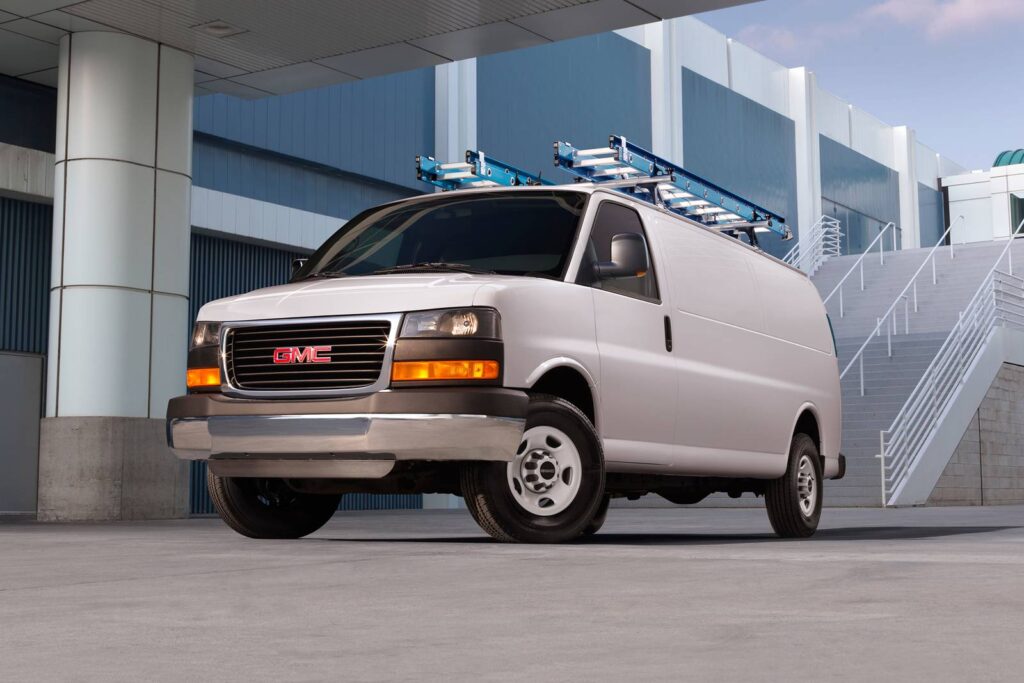
As a workhorse, the Savana delivers strong utility: vast cargo space, robust powertrains, straightforward maintenance, and a deep ecosystem of upfit and service options. Reliability evidence is mixed in independent sources and owner feedback, with variation by engine and usage; proper maintenance is key to long-term durability. Ownership costs vary with weight, miles driven, and service needs, but insurance and fuel economy are in line with other large vans in similar duty cycles.
Competitors include the Ford Transit and Ram ProMaster, offering similar payloads and modular configurations. The Savana suits fleets and operators who prize durability and a familiar GM service network over premium comfort or cutting-edge tech.