
mustang gtd 0-60 is a focal point for examining how performance hardware translates to everyday efficiency. This fuel economy analysis digs into engine design, gearing, weight, and aero aids to reveal the real cost of performance in daily driving, not just on a test strip.
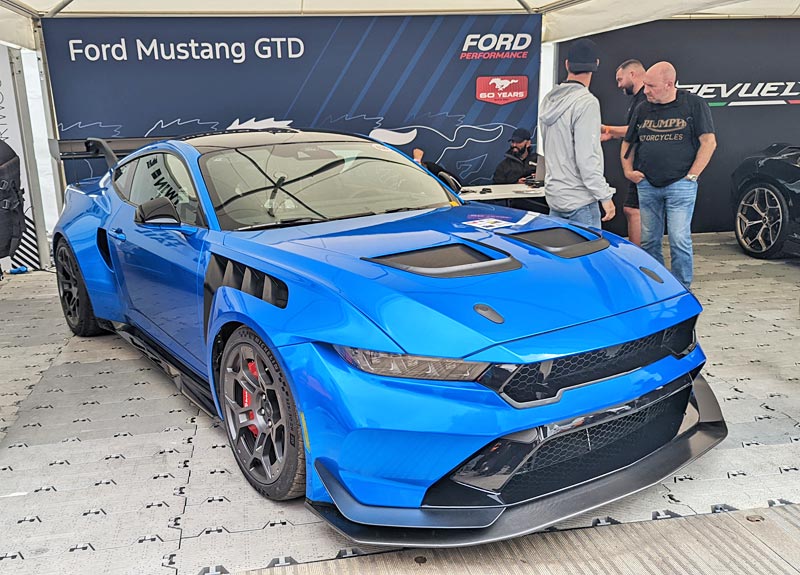
Real-world fuel economy depends on more than horsepower. The analysis compares how drive modes, transmissions, and weight affect mpg in city streets and highway stretches. It explains why 0-60 performance often comes at the expense of economy, and how measured driving habits can preserve efficiency without dulling the thrill. The page also outlines how real-world trips differ from lab cycles.
Powertrain and Efficiency
Powertrain decisions dominate economy. If a turbocharged six- or V8 sits under the hood, the balance between boost, torque, and the rev band determines both acceleration and fuel use. A lighter, well-matched transmission and effective cooling help keep parasitic losses low. Real-world results hinge on how suitably the gear ratios fit your typical speeds.
Driving modes and gear selection matter. Eco or Normal settings soften throttle response, smooth gear changes, and can lift highway mpg by a few miles per gallon compared with Sport modes. The choice of transmission—manual versus automatic—also plays a role: automatics often optimize shift timing for efficiency, while manuals reward control but can curb city mpg if not smooth.
Aerodynamics and Weight
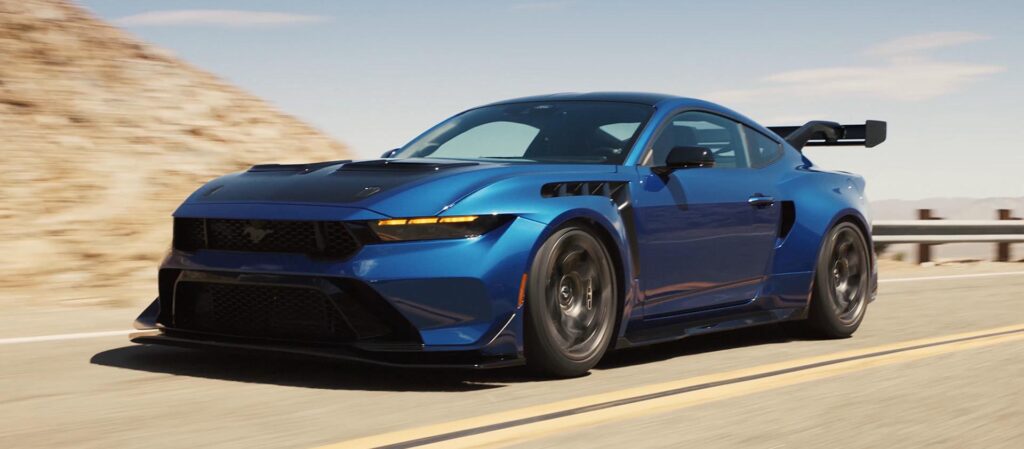
Aerodynamics play a meaningful part in real-world economy. Features such as grille shutters, underbody panels, and carefully shaped spoilers reduce drag at highway speeds, letting the engine work less for the same speed. Weight reduction, through aluminum components or composite materials, also contributes by lowering inertia and rolling resistance.
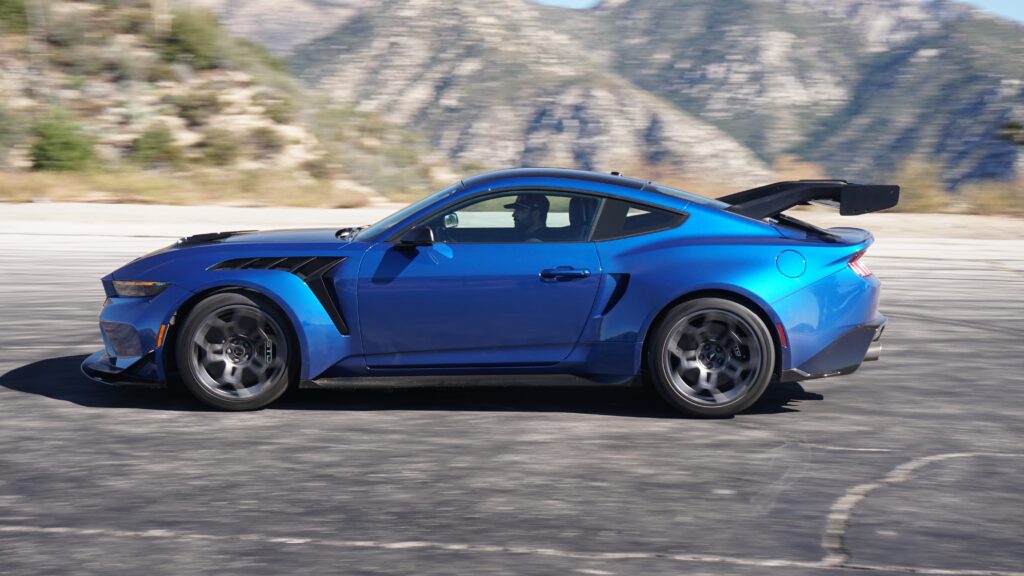
Practical trade-offs emerge with aero and weight work. For example, emphasis on aero efficiency can add complexity and cost, and some devices may reduce interior space or ride quality on imperfect pavement. Tire selection also matters: all-season tires tend to sip fuel less aggressively than dedicated performance tires, especially when temperatures rise.

Bottom line: the mustang gtd 0-60 concept frames a careful balance between speed and efficiency. For buyers, the value lies in a configuration that suits daily use as well as occasional track days, not just the 0-60 dash. Consider total ownership costs, maintenance, and usable space when weighing performance against economies.


