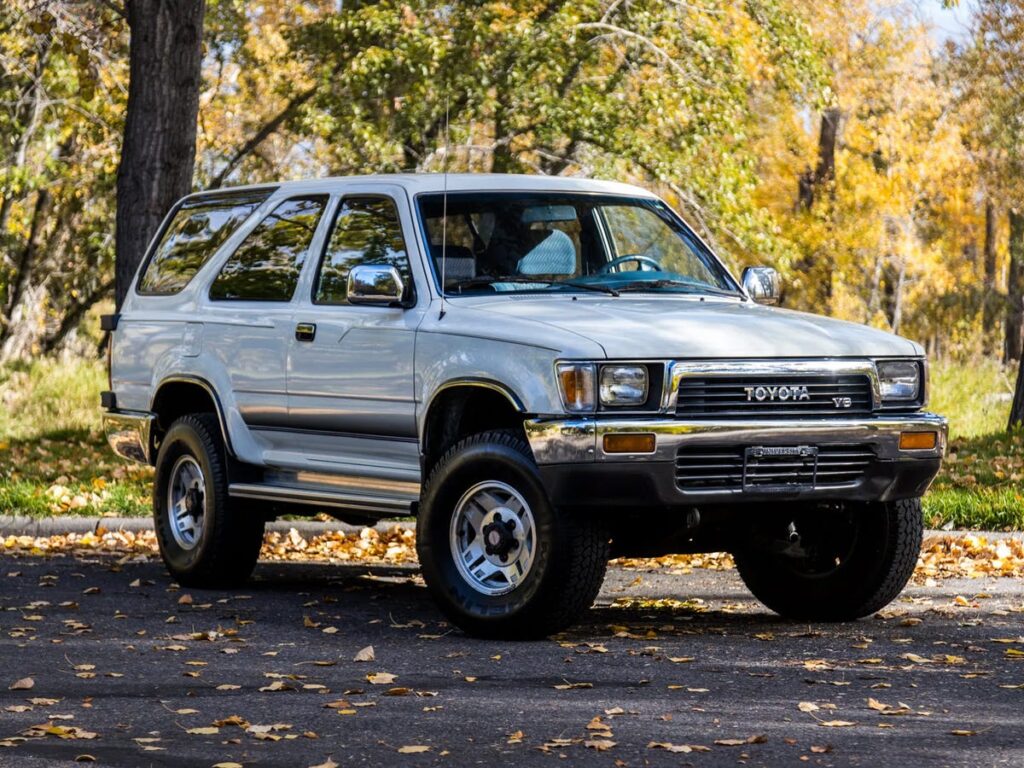
The 2nd gen 4runner has earned a reputation as a rugged, no-nonsense off-roader. In myth-versus-reality terms, this era rewards hands-on ownership and patience, but it isn't a luxurious daily driver. Its fundamentals–simple mechanicals and proven durability–remain central to its appeal. Here's what to expect.
Reality check: the 2nd gen 4runner remains famously durable, but aging requires proactive maintenance. Parts are abundant, and skilled shops understand the platform, yet wear items will demand regular attention. The trade-off is straightforward: you gain proven reliability and straightforward repairs, but the interior and electronics lag behind modern SUVs.
Bottom Line Up Front
The bottom line is simple: if you want a rugged, easy-to-service platform with decades of aftermarket support, the 2nd gen 4runner delivers. It excels in dirt roads, trails, and heavy-load situations where brute durability matters more than plush ride. You’ll appreciate straightforward mechanicals, simple diagnostics, and a chassis that welcomes upgrades. The trade-off is a busier ride on pavement and older safety tech.
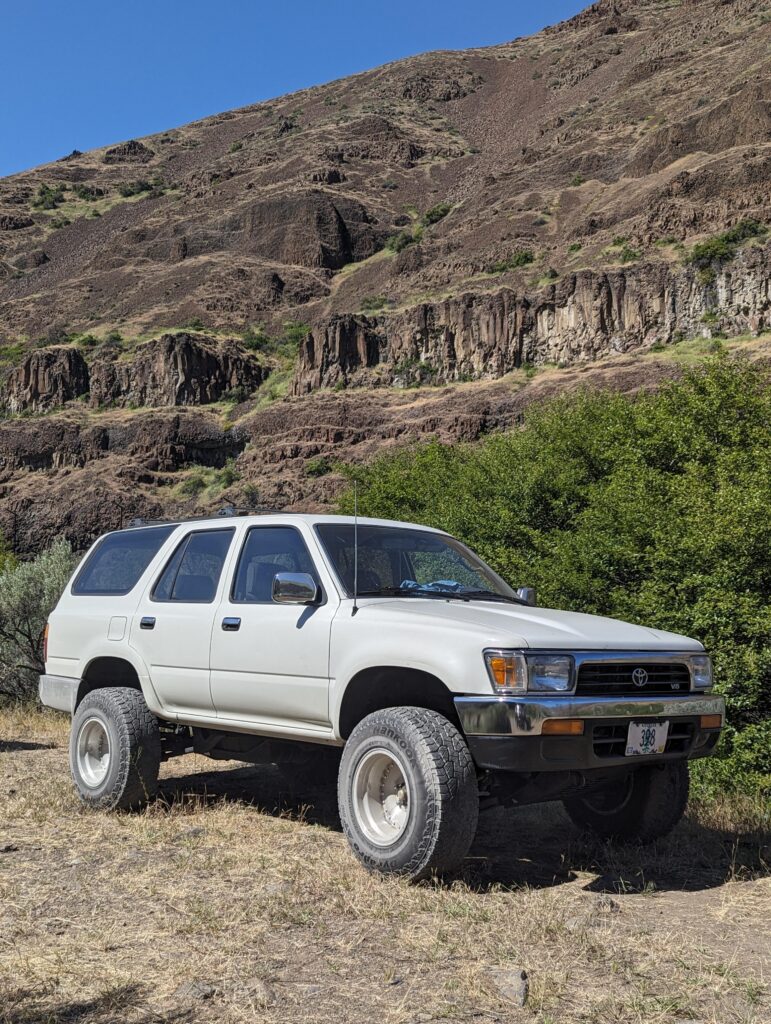
In real-world ownership, you’ll find that regular lubrication, cooling system refreshes, and brake maintenance keep the 2nd gen 4runner dependable. It responds well to thoughtful upgrades—tire choices, skid plates, and a pragmatic suspension kit can dramatically improve approach and breakover angles. Expect higher continuous ownership costs than a modern crossover, but you’ll likely spend less on complex electronics.
The Details Behind the Numbers
Performance or Capability: The 2nd gen 4runner emphasizes tractable torque and durable mechanicals that reward slow, steady progress. In off-road scenarios, simple transfer gears and a low-speed mindset translate to confidence over obstacles when you verify tire choice and ground clearance manually. The model thrives with practical upgrades like front protection, better tires, and a reliable cooling system. Compared with Comparable Model A and Comparable Model B, it tends to favor rugged durability and long-term repairability over the modern electronics of newer rivals.
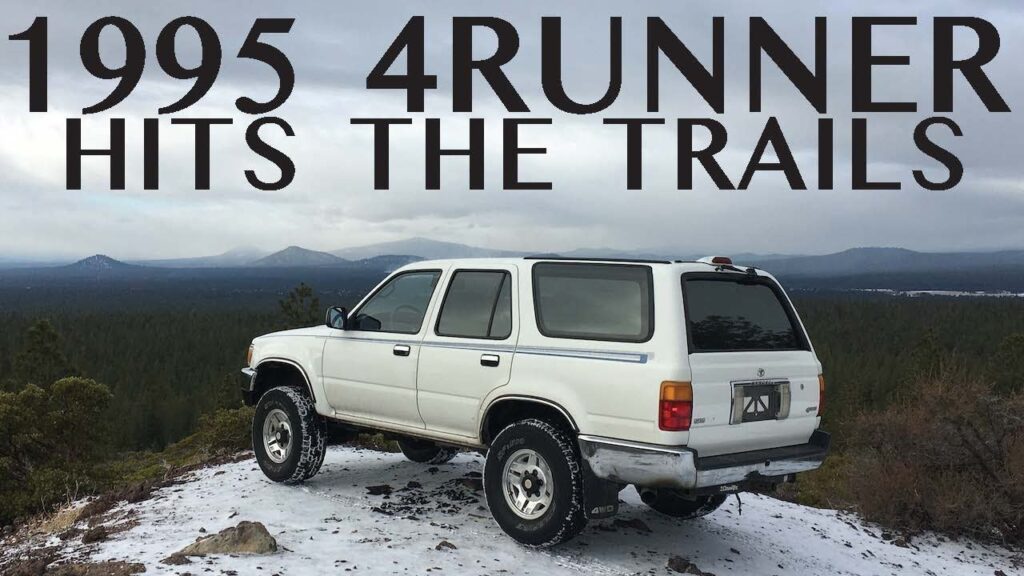
Comfort or Usability: Inside, the 2nd gen 4runner reflects its era—hard-wearing plastics and upright seating, with seating that can seat four adults in relative comfort on short trips. Noise levels rise on highways, yet the cabin remains functional for gear-haulers. Cargo space adapts well to weekend gear, and the rear hatch makes loading large items straightforward.
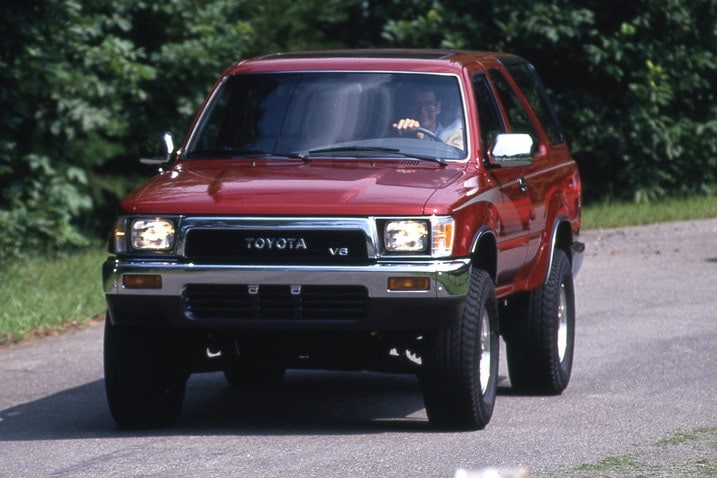
Efficiency or Ownership: The 2nd gen 4runner isn’t a fuel-sipper, and efficiency depends on drivetrain configuration and tire choice. Real-world mileage is modest by modern standards, especially with larger tires and off-road gearing. Maintenance costs are typically predictable if you stay on top of belts, cooling, and drivetrain fluids. Common questions center on rust, frame integrity, and parts availability, which largely hinge on regional supply and your local shop’s experience.