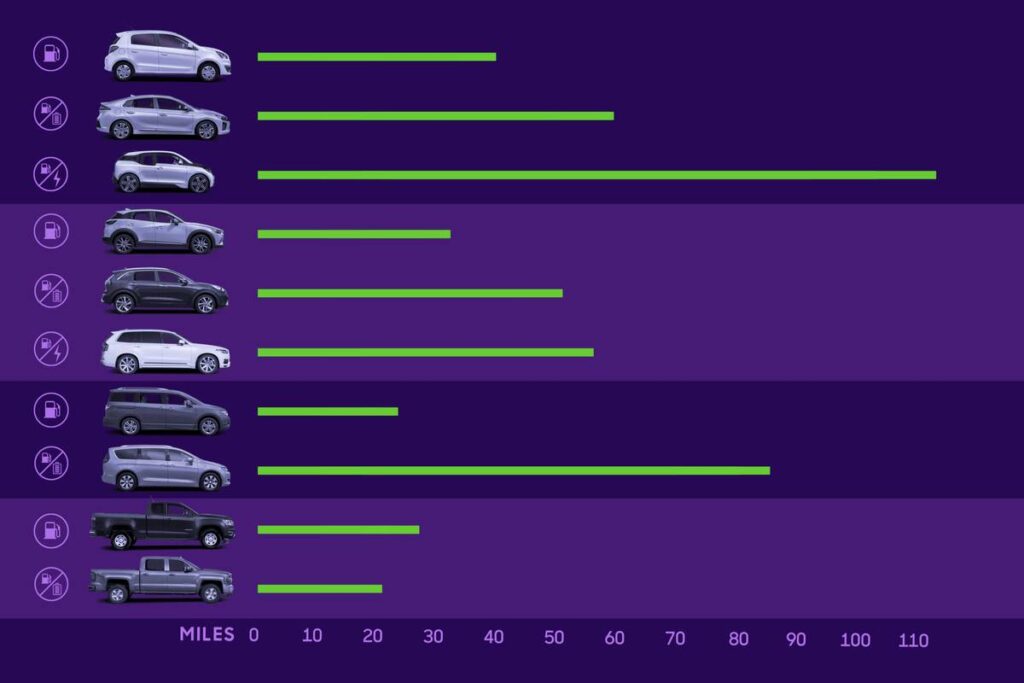
With fuel economy a perennial priority, finding the best mpg vehicles used requires more than chasing EPA labels. This analysis weighs real-world efficiency, maintenance costs, and usability to help buyers compare compact hybrids, efficient sedans, and their practical trade-offs in daily driving.
Real-world mileage depends on driving habits, climate, and maintenance. The strongest used mpg performers share lightweight construction, efficient powertrains, and low aerodynamic drag. Modern hybrids leverage electric assist and transmission efficiency to minimize fuel use without sacrificing reliability. The goal is to estimate ongoing ownership costs rather than chase a lab-tested number.
Key Characteristics
Key characteristics of best mpg vehicles used include hybrid or highly efficient gasoline powertrains, automatic transmissions optimized for economy, and lightweight construction. Many models emphasize aerodynamics, low rolling resistance tires, and compact footprints that reduce drag and weight. Battery age and motor condition matter in hybrids, while turbocharged engines can complicate efficiency if driven aggressively or carried into higher speeds.
In the used market, the most economical options usually come from compact sedans and hatchbacks or hybrid variants. Models such as Toyota Corolla Hybrid, Honda Civic Hybrid, Toyota Prius, Hyundai Elantra Hybrid, and similar late 2010s designs balance reliability, parts availability, and efficient packaging, making them approachable for daily commuting and lighter cargo needs.
Who It Suits
Who should consider these vehicles? Primarily daily commuters, budget-conscious buyers, and fleet operators seeking predictable fuel costs. They suit drivers who value steady miles per gallon over brisk acceleration and who are willing to accept modest power, especially in older hybrids or smaller turbo cars. Realistic expectations help avoid disappointment when real-world mpg falls short of EPA estimates.

Strengths include predictable efficiency, lower long-term fuel costs, and a broad service network. These models often retain value well when properly maintained and benefit from mature hybrid technologies. The trade-off is higher upfront cost, potential battery replacement risk, and sometimes less engaging driving dynamics or interior space compared with non-hybrid rivals.
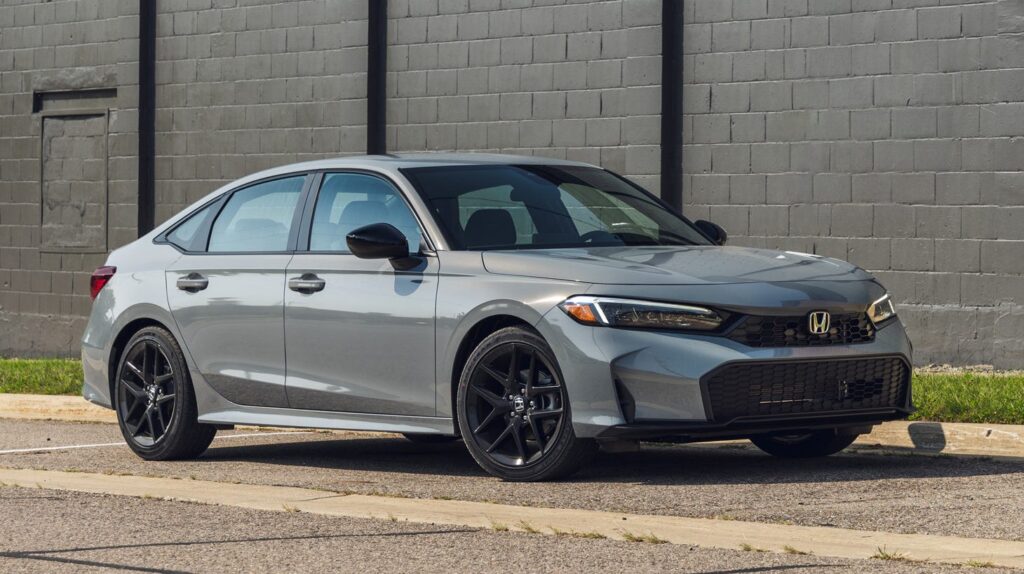
Practical considerations wrap the analysis: verify battery health, review maintenance history, inspect tires and brakes, and calculate total ownership costs beyond fuel. Real-world mileage will vary with climate and driving style, but the best mpg vehicles used typically deliver meaningful savings over time when you choose wisely, buy within your budget, and maintain the powertrain with an eye toward longevity.