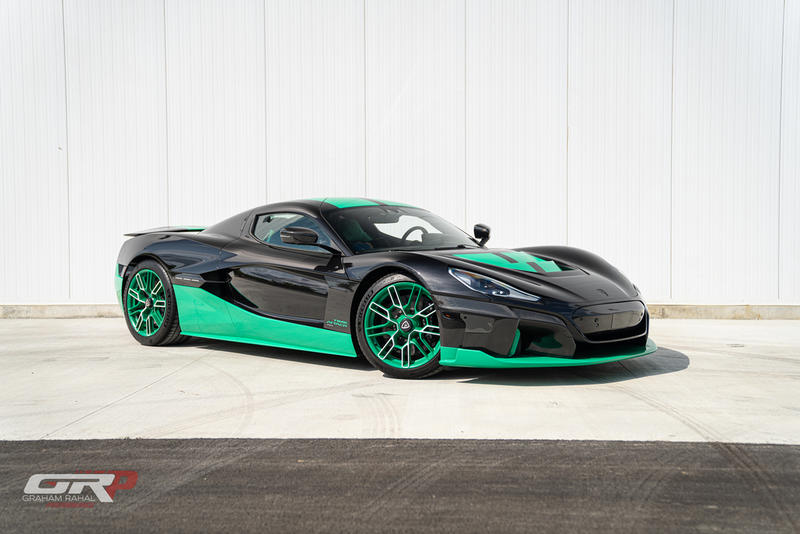
rimac nevera price remains a point of curiosity for family car buyers and performance enthusiasts alike. In this guide we examine ownership realities, practical considerations, and the trade-offs that come with a hypercar built for speed rather than everyday volume.
Unlike typical family EVs, the Nevera is engineered for performance, not passenger capacity. The price is only one factor in a complex equation that includes tax incentives, insurance, and maintenance expectations. Because Rimac is a low-volume, bespoke manufacturer, official pricing and availability can vary by region and by spec. For prospective buyers, understanding total cost of ownership matters as much as sticker price.
From a family‑car perspective, the Nevera challenges the notion of practical daily transport. It seats two with a compact cargo area, so grocery runs and road trips can feel cramped compared with a mid‑size SUV. The cabin emphasizes driver focus and materials quality over roomy back seats, limiting comfort for rear passengers. In daily use, you trade some versatility for an extraordinary technological showcase and track‑oriented performance.
Bottom Line Up Front
Bottom line: The Rimac Nevera represents an extraordinary engineering achievement, but its price and ownership complexity put it outside the range of most family households. It delivers sector‑leading acceleration, four‑motor drive, and cutting‑edge tech, yet offers minimal interior space and practicality. The total cost of ownership includes high insurance, service considerations, and charging logistics, especially in markets with uneven rapid‑charging availability. For a family car, conventional EVs deliver more usable space, comfort, and predictable ownership.
The Details Behind the Numbers
Behind the numbers, the Nevera uses a quad‑motor electric drivetrain delivering torque to all four wheels, with software actively managing traction and stability. The package relies on a substantial battery and advanced thermal management to sustain performance under demanding conditions. The interior leans toward a driver‑focused cockpit with high‑tech displays and lightweight materials that optimize weight and stiffness. The practical impact is a ride that can be exhilarating on smooth roads but stiff on rough pavement, and a charging strategy that favors rapid DC charging where available.
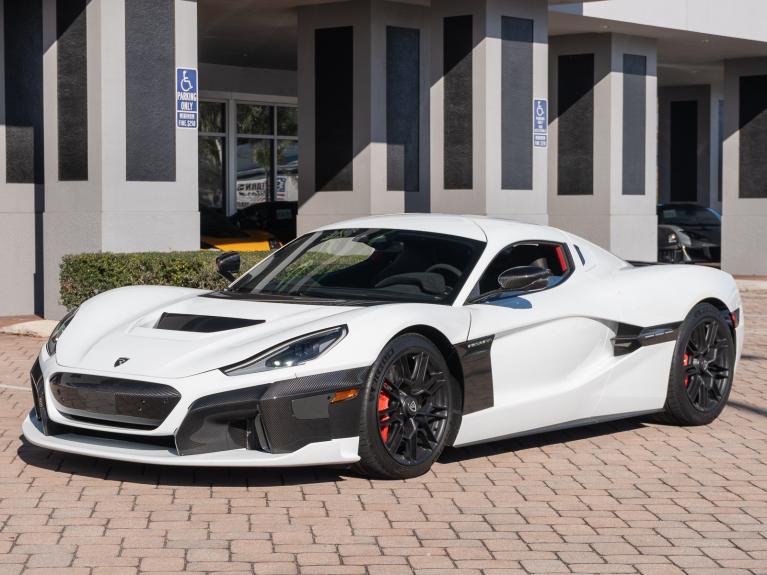
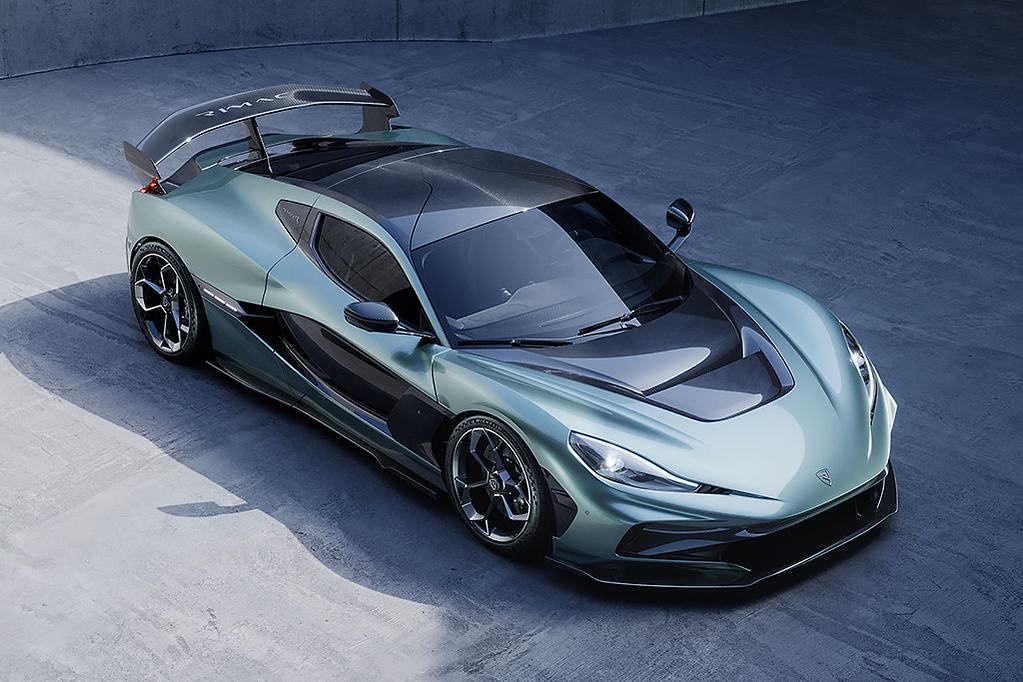
Performance or capability in the Nevera is stunning, thanks to its electric drivetrain and low center of gravity. The car communicates grip and acceleration with immediate torque and precise torque vectoring, giving a sense of instant speed. On the road, the ride can feel stiff as the chassis and suspension prioritize control over comfort, which is common in high‑performance EVs. For families, this means power and poise come at the expense of everyday compliance and ride softness.