
Waterless auto cleaner products promise low-water car care with a quick shine, but how does this choice affect fuel economy in daily use? This piece analyzes practicality, maintenance, and tradeoffs from an everyday owner's perspective.
Fuel Economy Perspective
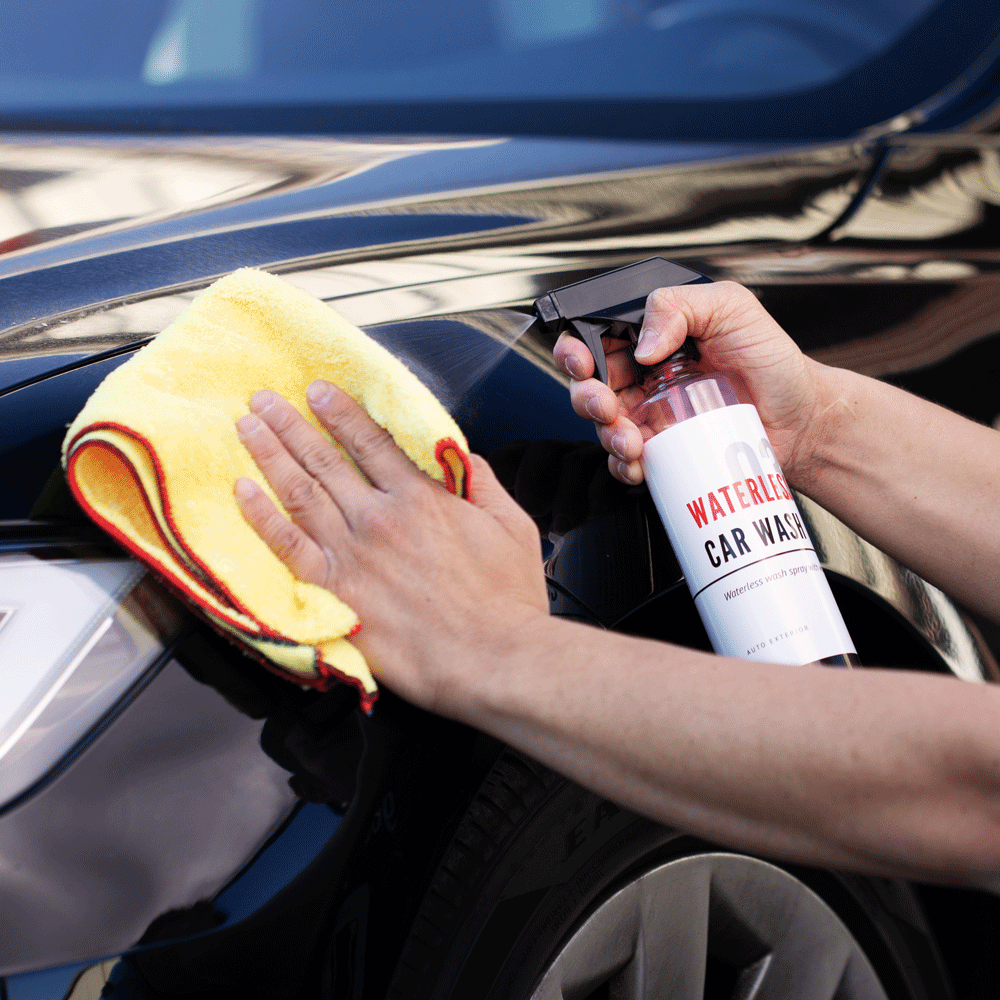
Direct fuel economy impact is negligible, since the cleaning occurs while the car is parked and uses no engine power. The larger efficiency angle is the indirect energy saved by a shorter, water-conscious routine: less water heating at home and fewer trips to the car wash. In practice, you gain convenience and modest operating-cost benefits without expecting a measurable change in miles per gallon.
Design details
Important details include the spray nozzle design, the type of microfiber cloth, and the residue left on paint or trim. A fine mist helps control runoff, while a plush microfiber reduces micro-scratches. Be mindful of formulas with stronger solvents, since they can strip wax if left too long, so quick buffing and a follow-up wax or sealant matters.
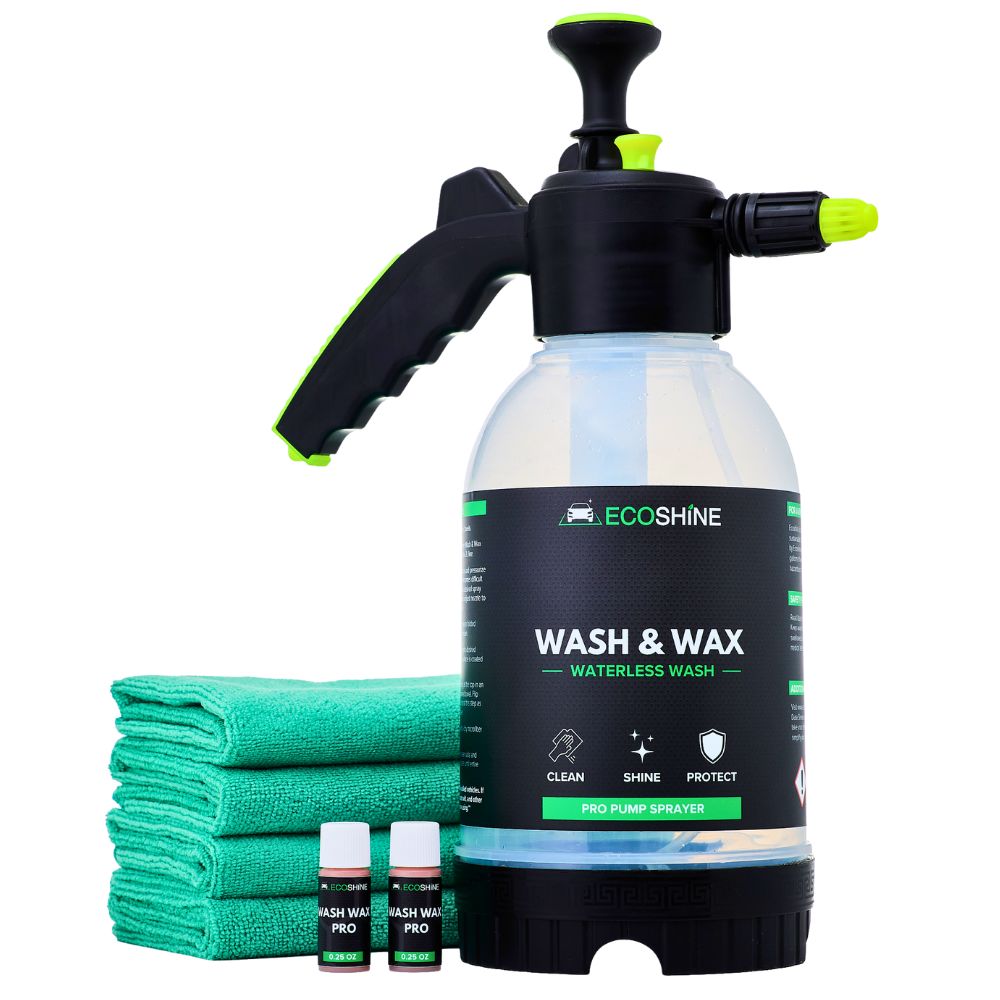
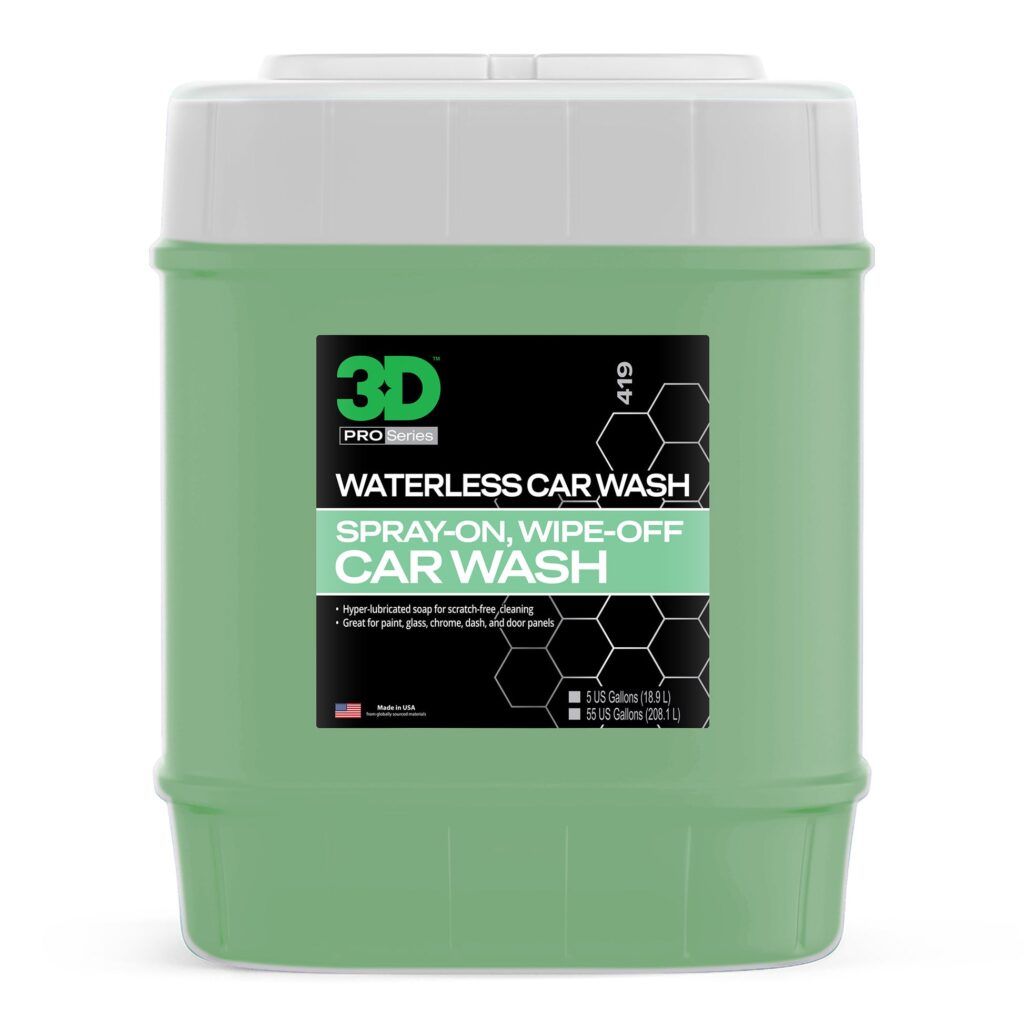
Using a waterless cleaner is straightforward, but consistency matters. Start with a cool surface in shade, spray from about a foot away, and wipe with the supplied microfiber until the panel looks clear. For dashboards and wheels, a gentle, deliberate pass yields the best results and helps avoid streaks. It’s ideal for quick touch-ups between full washes and can fit into a busy weekend car-care routine.
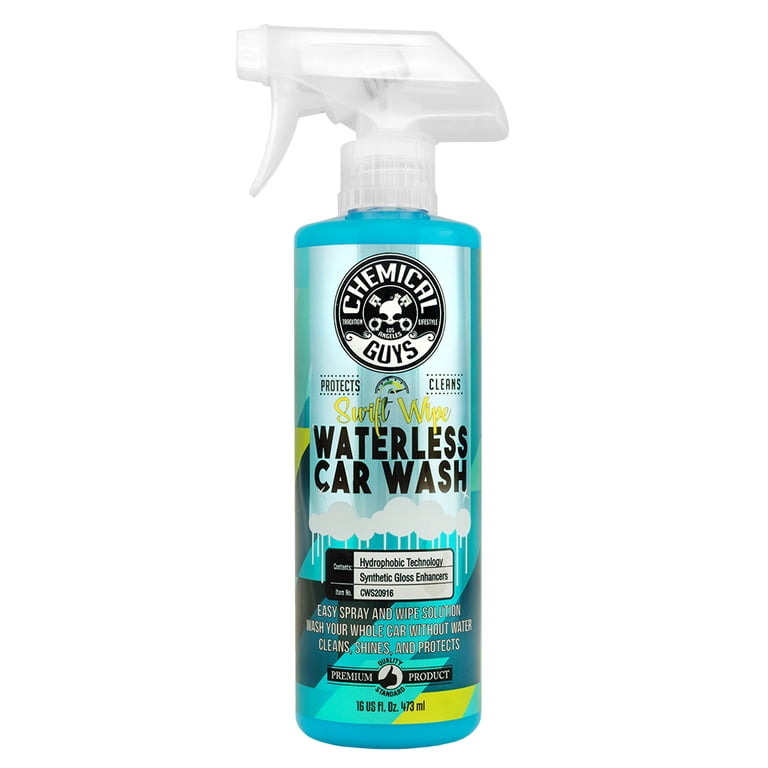
Over time, frequent waterless use can influence how often you re-wax or re-seal protective coatings, since some formulas interact with existing finishes. Most products leave minimal residue, but improper use can dull trim or affect rubber seals if solvents are harsh. Store bottles upright, away from heat, and check seals for leaks. Compare bottle size and included cloths to judge annual value against traditional washing.


