
Discover how a Dodge Omni hatchback fits a used-car buyer’s budget and daily needs. This guide weighs practicality, maintenance reality, and ownership considerations to help you decide if an aging classic still makes sense in today’s market.
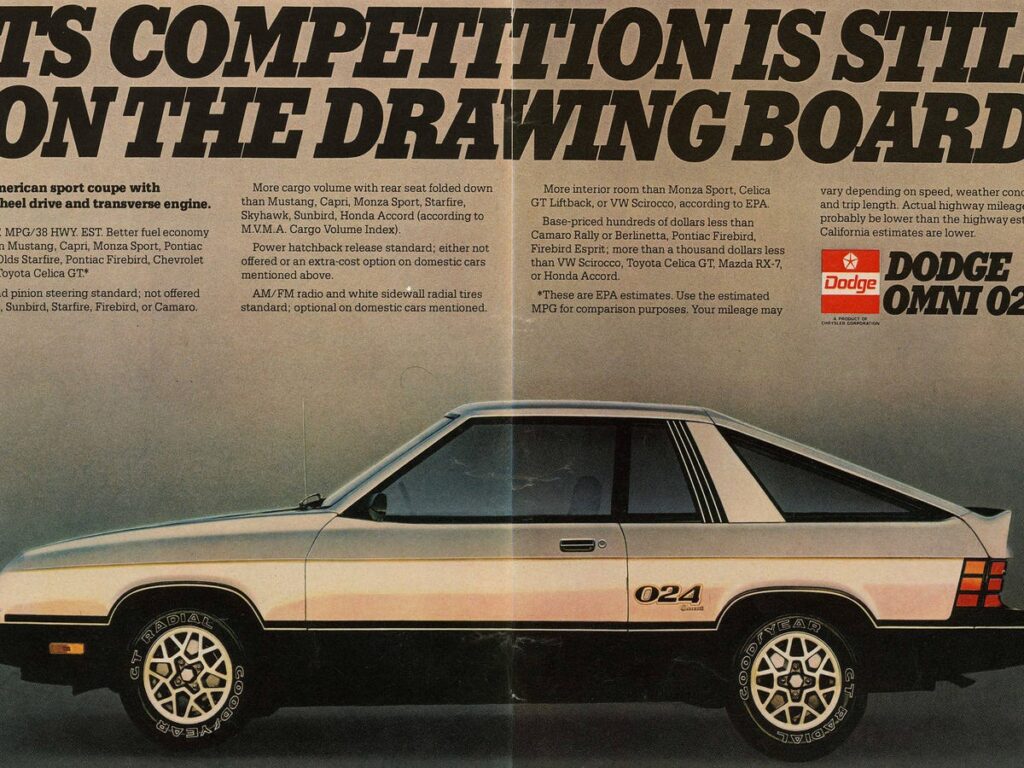
Used Omnis offer a rare combination of low price and surprising practicality. The car’s light weight and simple engineering translate to affordable maintenance and predictable ownership, especially for first-time buyers. With a hatchback layout and modest interior, it remains surprisingly capable of daily errands and small-load transport. The trade-off is an older vehicle’s safety, comfort, and reliability concerns that need honest inspection.
Practical Strength
The Omni's simple, proven mechanicals make routine maintenance approachable for DIY buyers and independent shops, because access panels and fasteners are predictable and widely documented in vintage manuals. With widely available parts and a straightforward layout, common repairs stay affordable, and online guidance is plentiful for everything from brake jobs to fuel-delivery adjustments. Its compact footprint aids urban maneuverability, and the hatchback configuration adds practical cargo flexibility for groceries, gear, or weekend projects, a meaningful edge in tight parking or trunk-limited trips.
On aging shells, rust tends to surface where trims meet panels, and that corrosion can complicate long-term ownership despite otherwise simple design.
The interior layout prioritizes function over flair, keeping dashboard controls within easy reach and trimming unnecessary complexity, so newer drivers can focus on learning the basics without distraction. Seats are modest in comfort by today’s standards, but they hold up well on short commutes and local errands, and the smaller cabin footprint helps with visibility and overall confidence.
Suspension and braking systems favor durability and ease of maintenance, delivering reliable daily performance without expensive tuning, which is a practical trait for a car meant to be owned for many years. That predictability suits budget-minded buyers, even as highway ride quality and cabin quietness lag behind more modern compact hatchbacks, which can feel noisy or unsettled on longer trips.
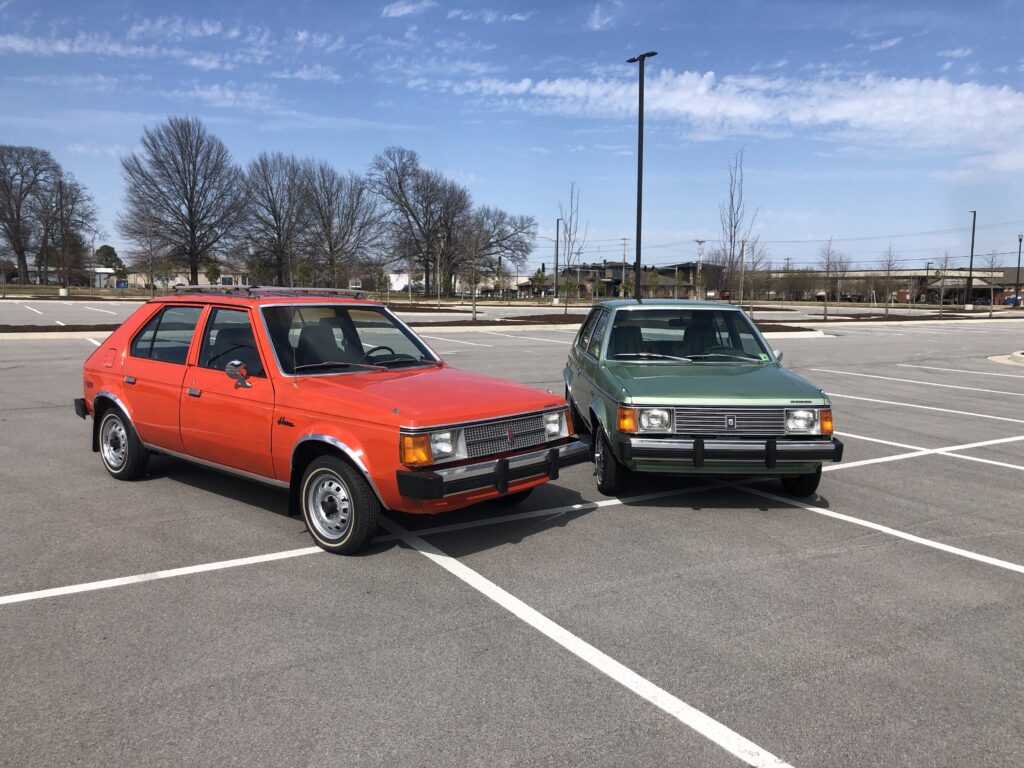
Performance or Efficiency Strength
The Omni’s light weight and compact engine options contribute to brisk city responses and noticeably better fuel use in urban driving compared with heavier rivals, especially when paired with careful throttle control. In daily miles, you may notice the car’s nimble character is more about ease of parking, frequent lane changes, and quick grocery runs than highway power.
Low-end torque is modest, so steady throttle input and careful gearing help maintain comfortable acceleration in mixed driving, avoiding abrupt bursts that feel unsettled in town. For buyers who value cost per mile over top speed, this balance can be appealing, provided highway travel remains a secondary priority and weather does not demand heavy towing.
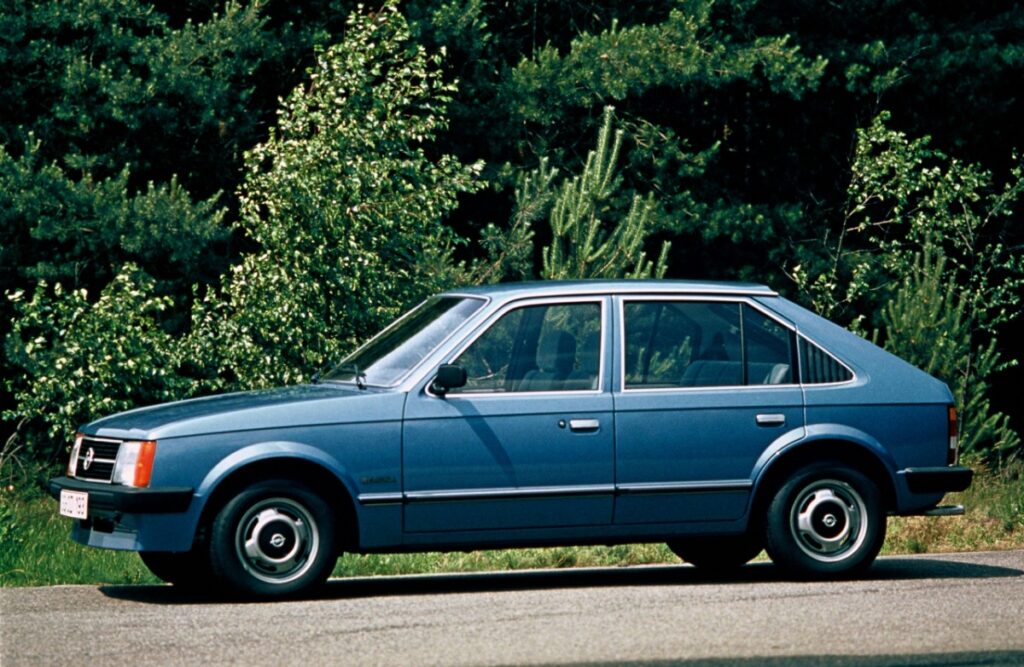
Manual transmissions were common in many Omnis, and they typically appeal to drivers who enjoy direct control and lower maintenance costs, especially when the clutch friction is used sparingly. Automatic options exist, but the transmissions can feel later-era and heavier, with longer shift times by modern standards, which can dull the driving experience on long trips. Overall efficiency benefits are tied to careful maintenance—timing belts, carburetor or EFI adjustments, vacuum lines, and cooling system checks require attention on aging units.
Conceptually, the drivetrain simplicity makes the Omni an approachable project for hobbyists, as long as you budget for potential rust repair, panel replacement, and parts accessibility that can fluctuate with market demand.
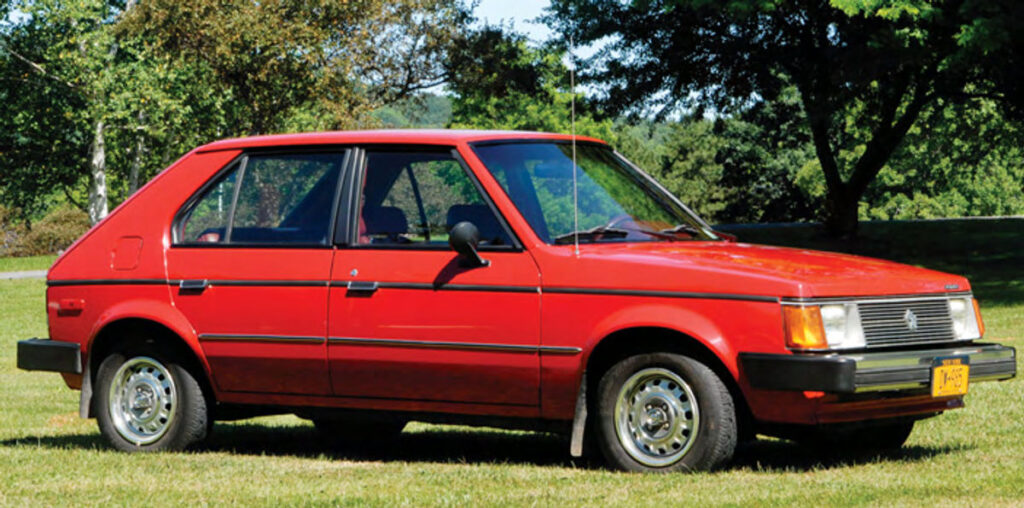
Limitations are clear: older safety technology, modest crash protection by modern standards, and cabin noise or refinement that feels dated on freeway miles. When shopping, compare to peers from the era—like the Plymouth Horizon or the Ford Escort hatchback—on rust, suspension wear, and drivetrain reliability, since impressions vary by upkeep. Who should consider a Dodge Omni hatchback? Budget-conscious buyers, project hunters, and urban commuters who prioritize practicality and low operating costs over polished highway manners.
Final take: it helps to acknowledge the trade-offs between simplicity and modern comfort, count the compatibility of parts, and verify documentation and service history to ensure a sane used purchase.


