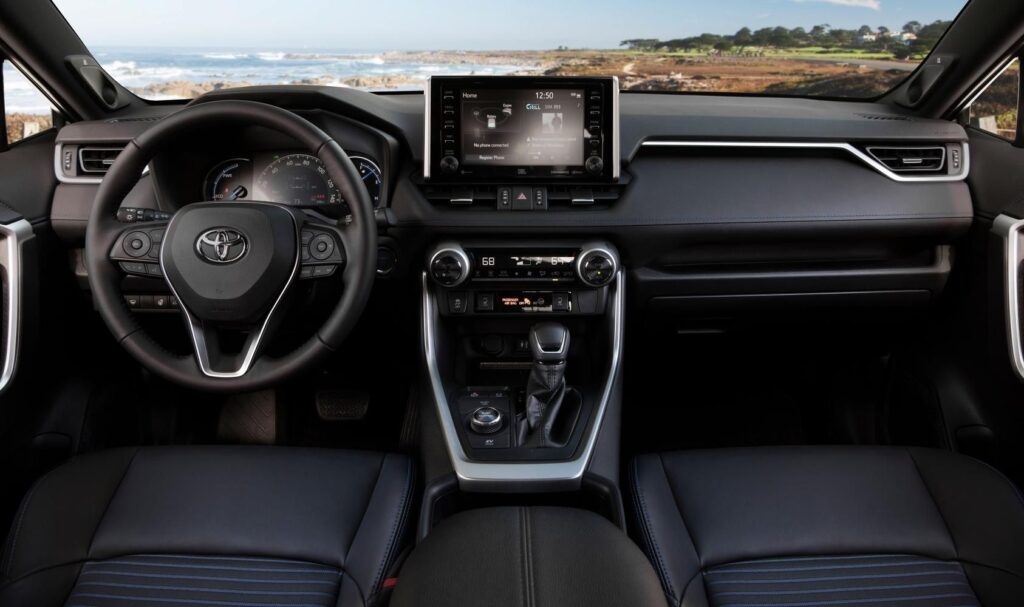
rav4 hybrid mpg story centers on efficiency without sacrificing practicality. Toyota's hybrid system blends a gasoline engine with electric motors to deliver smooth highway cruising and strong city efficiency. This piece explains how the RAV4 Hybrid performs in real-world use and how it compares with its peers.
In today’s compact-SUV landscape, efficiency matters as much as cargo space and ride comfort. The RAV4 Hybrid prioritizes a smooth, refined powertrain that favors steady throttle response over sudden bursts of speed. Real-world fuel economy depends on tires, load, and terrain, but the hybrid setup generally improves efficiency over a non-hybrid variant. The takeaway is that you can practically expect better everyday fuel economy without sacrificing practicality.
Key Takeaways
The key takeaways center on a balanced equation: efficiency without giving up interior space or daily usability. The hybrid system tends to feel unobtrusive in daily driving, delivering quiet operation and predictable power delivery. You should expect better efficiency in city and mixed-use trips, with highway performance remaining solid. Practical ownership hinges on tires, maintenance costs, and how you value long-term fuel savings.

Core Facts: The RAV4 Hybrid employs a hybrid powertrain that blends a gasoline engine with electric motors and a battery pack. Power is routed through a CVT-style transmission to smooth out shifts, which helps the drivetrain feel linear at typical highway speeds. Toyota emphasizes reliability and serviceability, with components that are commonly found across the brand's hybrid lineup. In daily use, most drivers will notice electric assist easing acceleration and boosting idle efficiency.
Real-World Strengths
Practical Strength: In everyday driving, the RAV4 Hybrid delivers a refined ride and a quiet cabin, with acceleration that remains smooth rather than dramatic. The hybrid system maintains momentum without feeling strained, which makes it pleasant for commutes and family trips. The available all-wheel-drive adds confidence in foul weather without a large efficiency penalty in typical conditions. Overall, practicality and comfort stay central to its appeal.
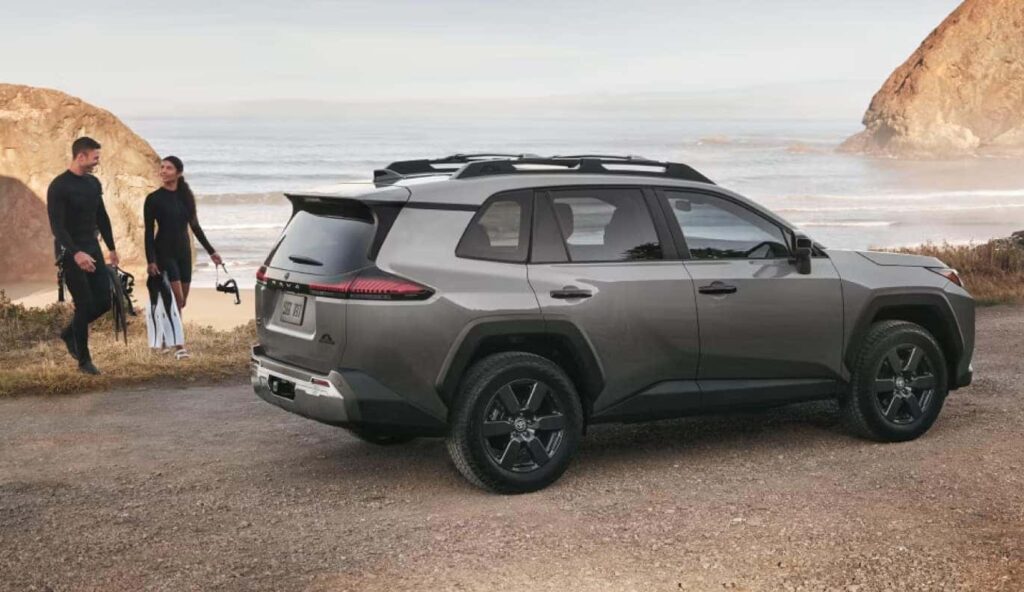
Efficiency Strength: The RAV4 Hybrid's electric assist helps with smoother highway merging and steady fuel use in mixed conditions. The engine can shut off at low speeds, which supports quiet, low-maintenance operation during stop-and-go driving. However, the mpg advantage depends on tires, payload, and climate; winter heating use and AWD can modestly influence overall efficiency. Taken together, the design favors efficiency in everyday use over outright power.
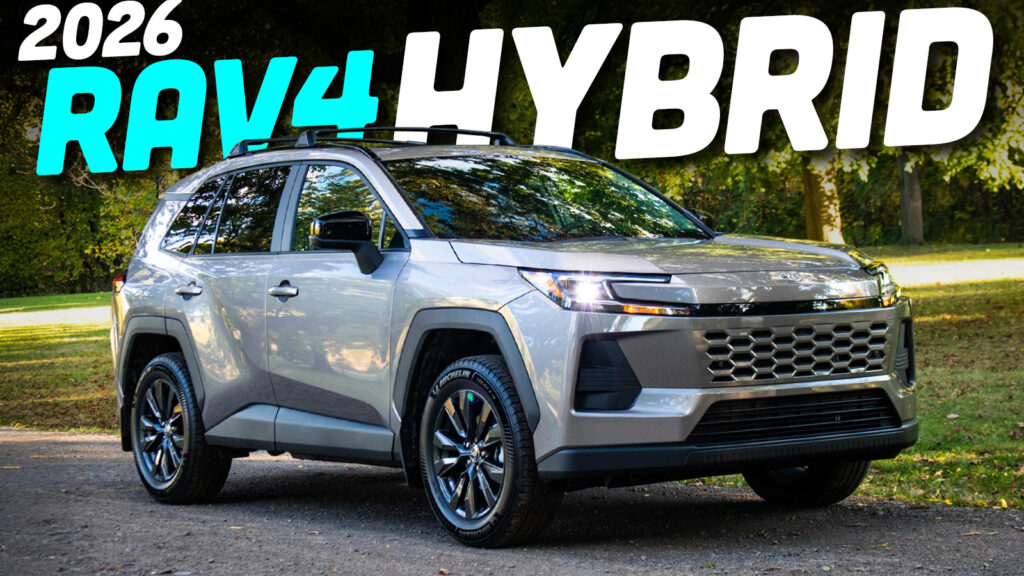
Limitations and Trade-Offs: The hybrid adds weight and a price premium, and some cargo space is reduced versus the gasoline model. Competitors like the Honda CR-V Hybrid offer similar efficiency with different packaging and feel, while the Ford Escape Hybrid can emphasize more power and technology variety. Who should consider it? Buyers who value daily fuel economy, a quiet cabin, and available all-wheel drive for varying weather, without sacrificing family space.
Final take: for most buyers, the rav4 hybrid mpg equation is about practical efficiency rather than flamboyant performance, with a proven hybrid platform and broad dealer support; FAQs: is it plug-in? No. Does cargo space suffer? Some. Is it worth it vs a gas-only model? That depends on how you drive and fuel prices.