
battery air compressor technology has evolved with model year changes across mainstream sedans and SUVs, reshaping tire care, ride comfort, and on-road confidence. This practical guide explains what changed, why it matters, and how to pick a unit that remains reliable across seasons, even in demanding climates.
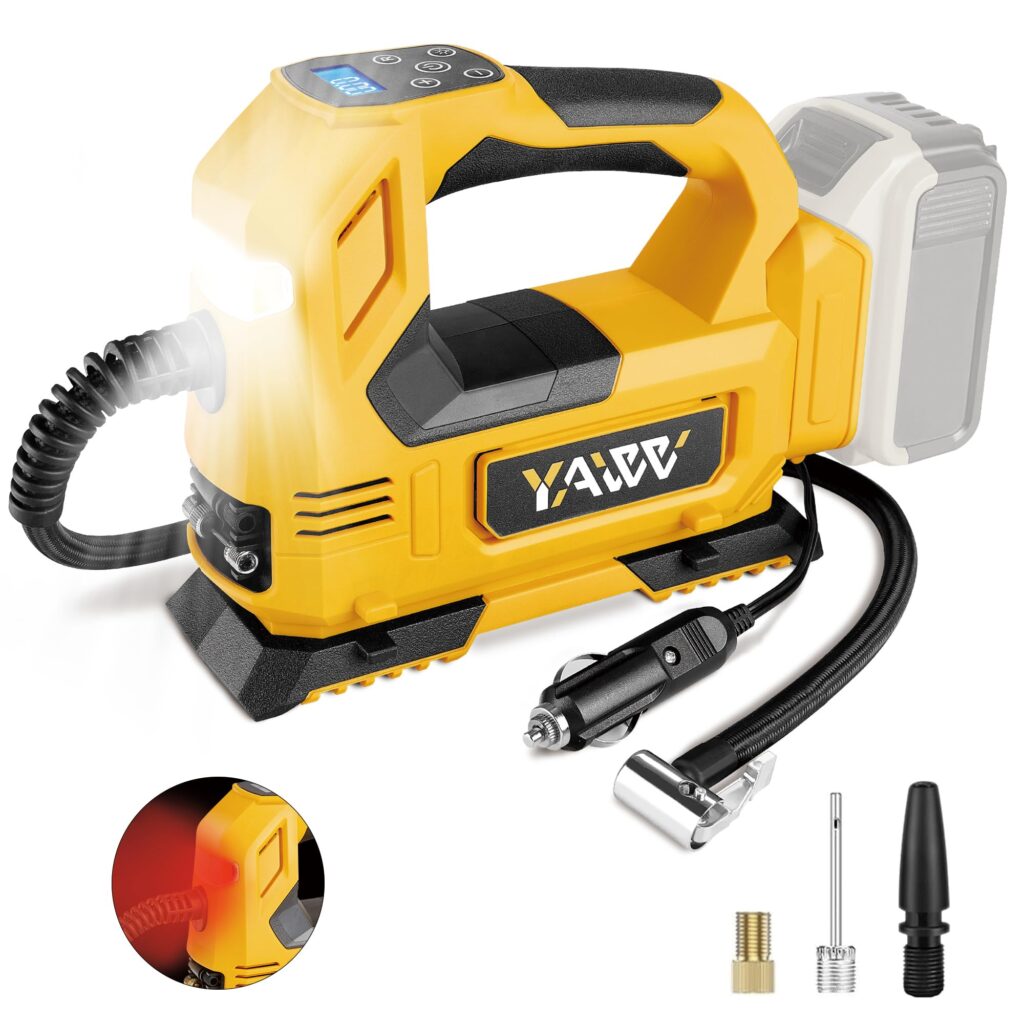
Model year updates have tended to focus on speed, durability, and quiet operation. New electric pumps are better thermally managed and often integrate with the vehicle's 12-volt or higher-voltage system so they can run without the engine. For owners, that means faster inflation from flat tires and more consistent tire pressures, which helps mileage and handling. The downside is potential price premium and more complex service needs if you must replace an integrated unit.
Daily Driving or Use
In daily commuting, a modern battery air compressor should slide into service with minimal fuss. Look for units with a reasonable duty cycle and a protective thermal shutoff to avoid heat soak after repeated uses. For highway trips, a compact, quick-inflation design reduces the risk of underinflation-related wear. Real-world behavior depends on ambient temperature and tire size, so a model year change that improves heat management matters.
With practical use in mind, keep hose length in mind for awkward corners or trunk storage. The latest units add built-in gauges and auto shutoff to reduce user error. For occasional emergency inflation, these features make a tangible difference in speed and accuracy.
Comfort and Convenience
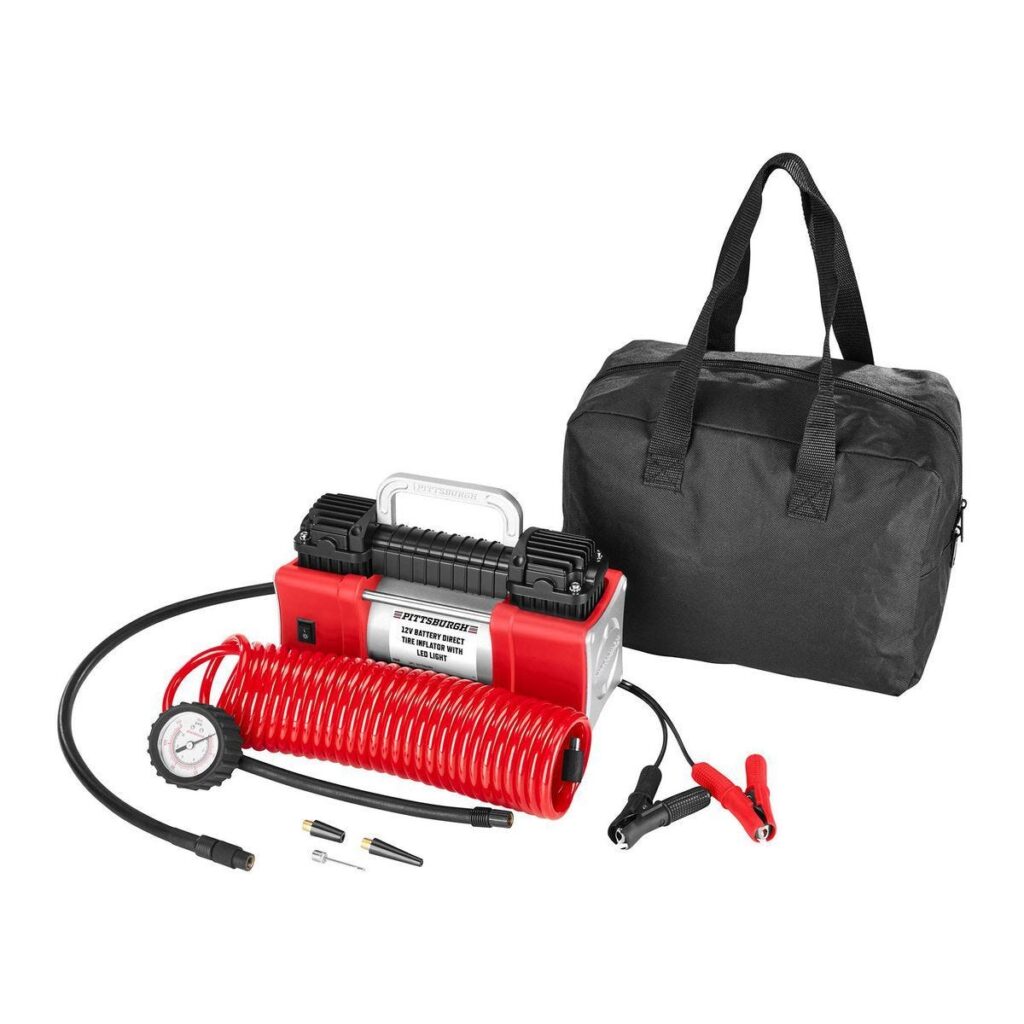
An improved battery air compressor can operate more quietly, which matters for late starts or garages. Thermal management helps sustain performance during hot summer days or heavy highway use, avoiding sudden stalls. Some models also offer bright LED lighting and easy-to-read digital readouts for visibility in low light.
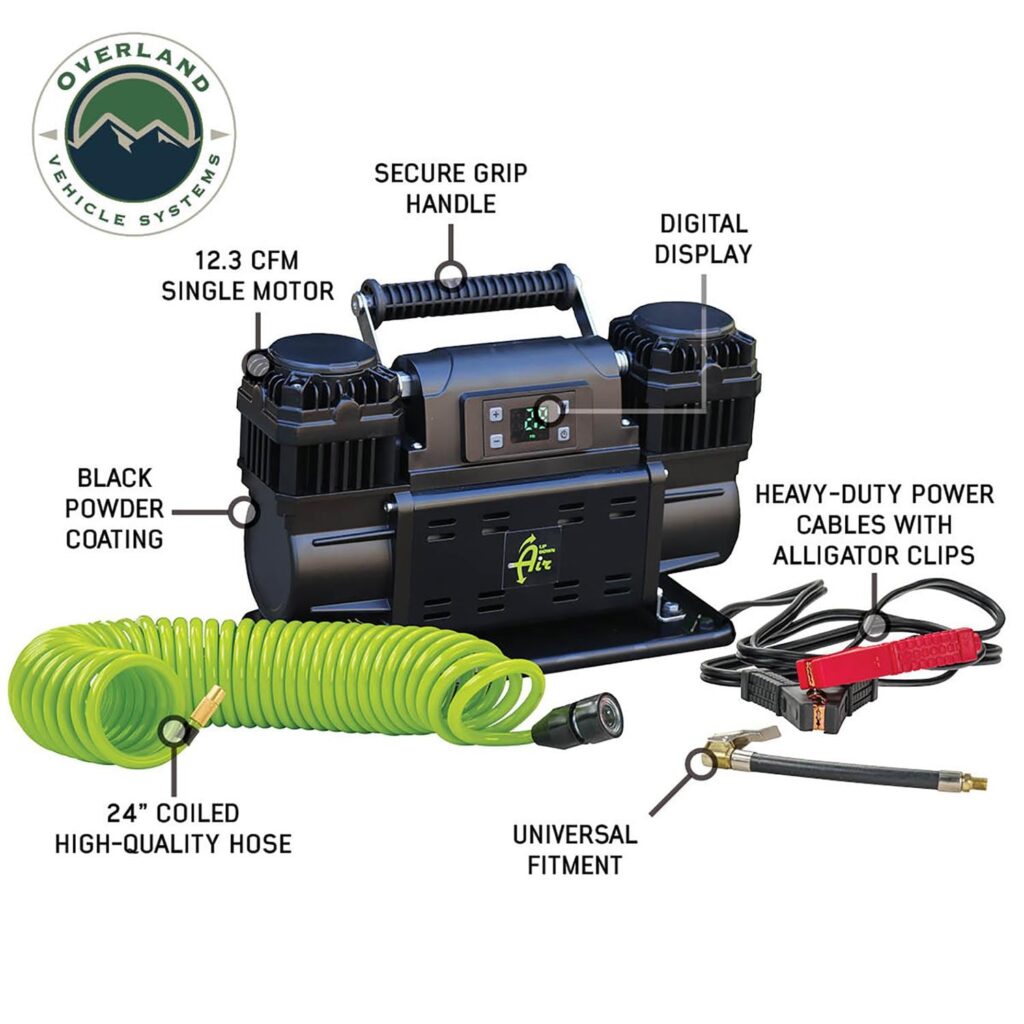
Key specifications to compare include max pressure, duty cycle, reservoir capacity, and power draw from the vehicle's battery. A unit that inflates a typical sedan tire from 0 to 35 psi in under a minute is practical, while a larger SUV tire may demand more patience. Evaluate whether the unit supports continuous operation and whether it blends with your vehicle’s electrical system, including any needed fusing or wiring.
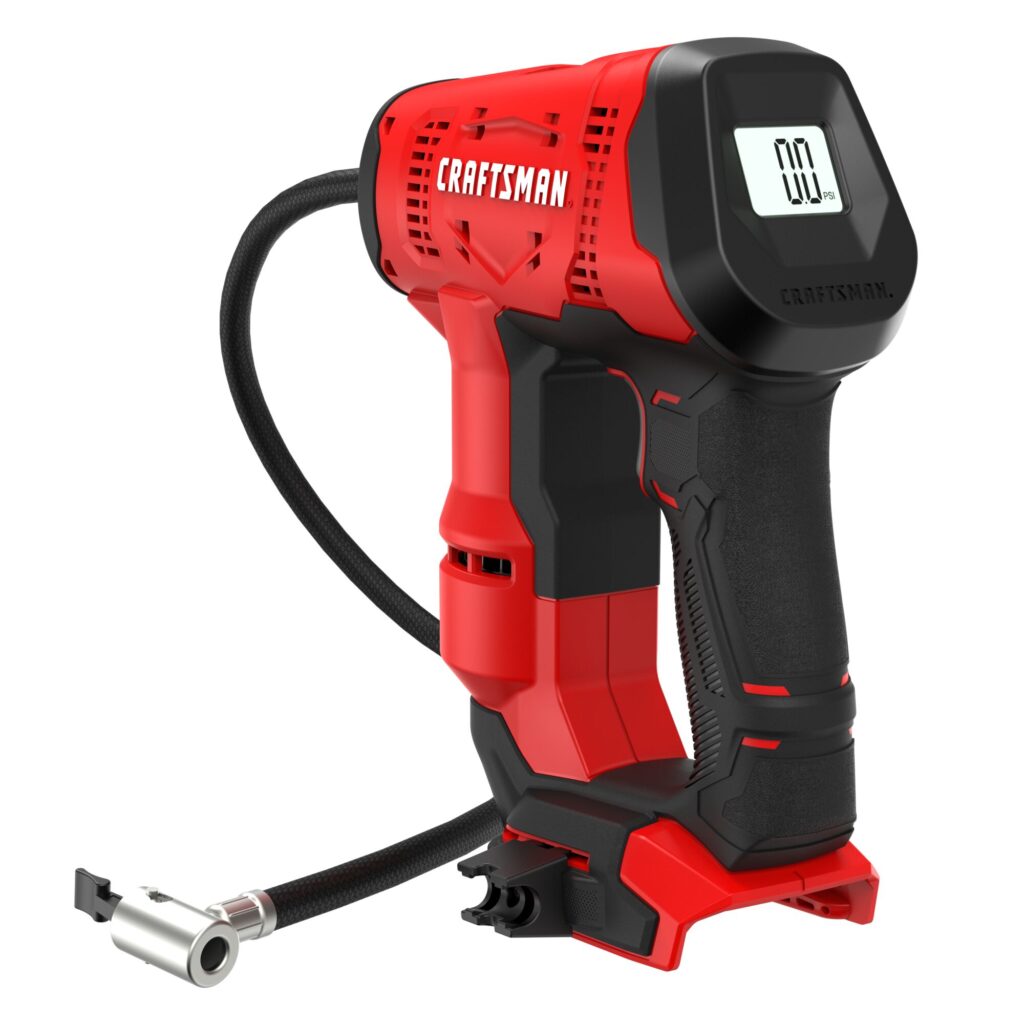
Ownership considerations for model year changes center on warranty coverage, service availability, and compatibility with your vehicle's electrical architecture. If in doubt, consult your dealer about the specific compressor used in your trim and model year. While some consumers will find a built-in or integrated unit more convenient, others may prefer a portable, aftermarket solution for flexibility.


