The 2013 jeep wrangler wrangler remains emblematic of American off-road versatility, tested here through a road-test lens. This analysis weighs rugged capability against daily cabin usability, noting how the model stacks up as a luxury-leaning, mission-critical SUV. It invites both adventurous drivers and weekend warriors who value authenticity over polish.
First impressions center on the Wrangler's distinctive silhouette and the sense that capability is the baseline, not a premium veneer. The range includes two-door and four-door Unlimited configurations, widening for buyers who want space without sacrificing trail readiness. Inside, the cabin materials are more refined than in the past, but the layout remains uncomplicated and highly durable.
The 2013 jeep wrangler wrangler is not a boulevard cruiser; it's built to tackle trails and terrain first, with powertrain options including a 3.6-liter V6 paired with manual or automatic transmissions and standard four-wheel drive.
Even with a freeway bias, the Wrangler's chassis feels solid, and steering is predictable for a boxy off-roader. The suspension favors articulation over plushness, so you feel road imperfections but stay confident when the pavement ends. Noise levels rise at highway speeds, and wind intrusion is noticeable with the soft top removed and the doors off. Off-road geometry remains a strong suit, with solid axles and a simple transfer case enabling low-range gearing.
The Important Details
The Wrangler's architecture underscores both capability and practicality. The rugged body-on-frame chassis with solid axles emphasizes durability over a cushioned ride. A two-speed transfer case and selectable four-wheel-drive modes provide traction for mud, rock, or sand, while the Rubicon trim adds locking differentials and stronger underbody protection. The top options—folding soft top or removable hard top—alter noise, climate control and everyday convenience.
Why Those Details Matter
Why those details matter is simple: the Wrangler trades on its off-road identity, which shapes everyday comfort and ownership costs. The sturdy suspension and heavy axles deliver exceptional capability, but they also transmit bumps and road imperfections into the cabin while limiting high-speed refinement. The removable tops and doors offer novelty and convenience, yet they add complexity, weather risk and potential water leaks if seals degrade. Buyers should weigh trail readiness against daily habitability.
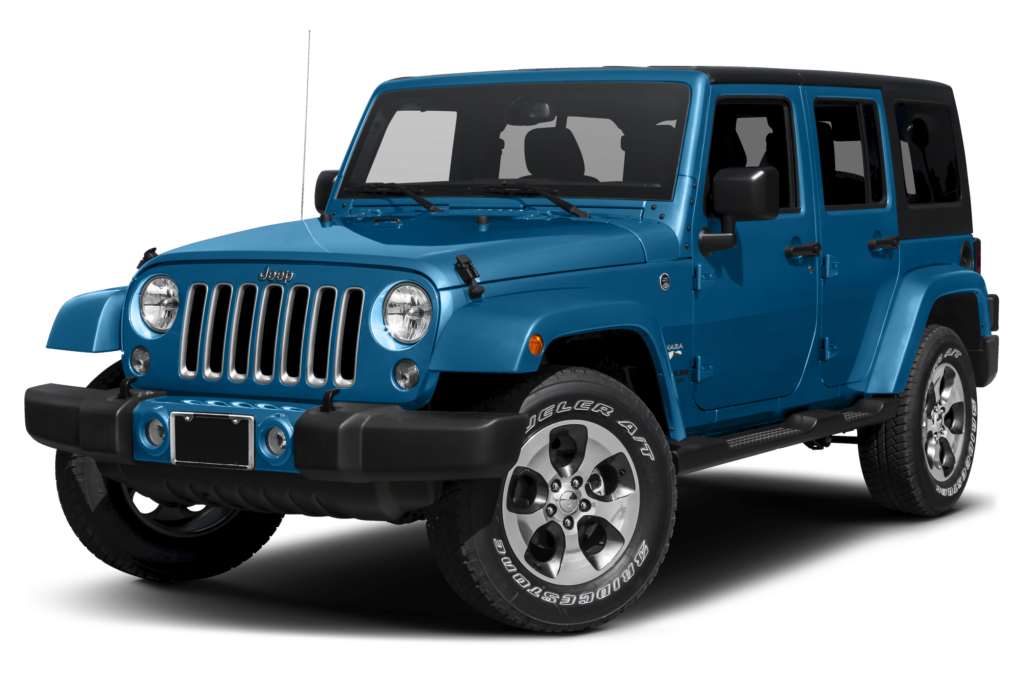
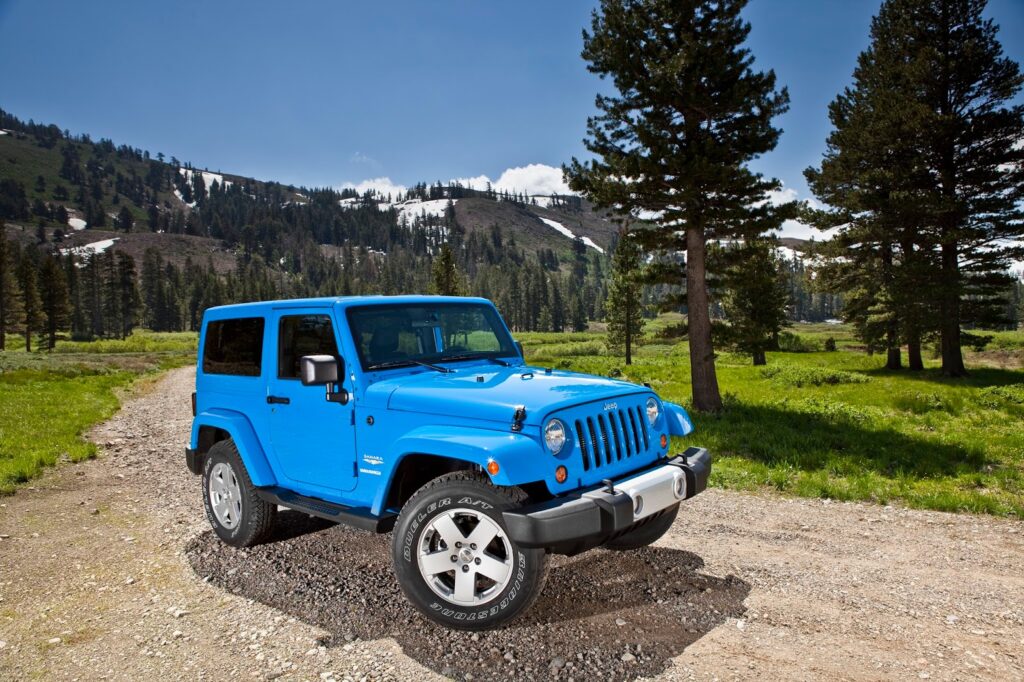
Daily use emphasizes simplicity and rugged practicality. The cabin is friendly to taller occupants, though storage cubbies are modest and materials show their age in high-wear zones. The cargo area adapts to gear-to-go needs with the rear seat folded, and the removable doors plus top offer sunlit driving in good weather. Technology in 2013-era Wranglers is basic by modern standards, with available navigation and basic connectivity that still requires patience.
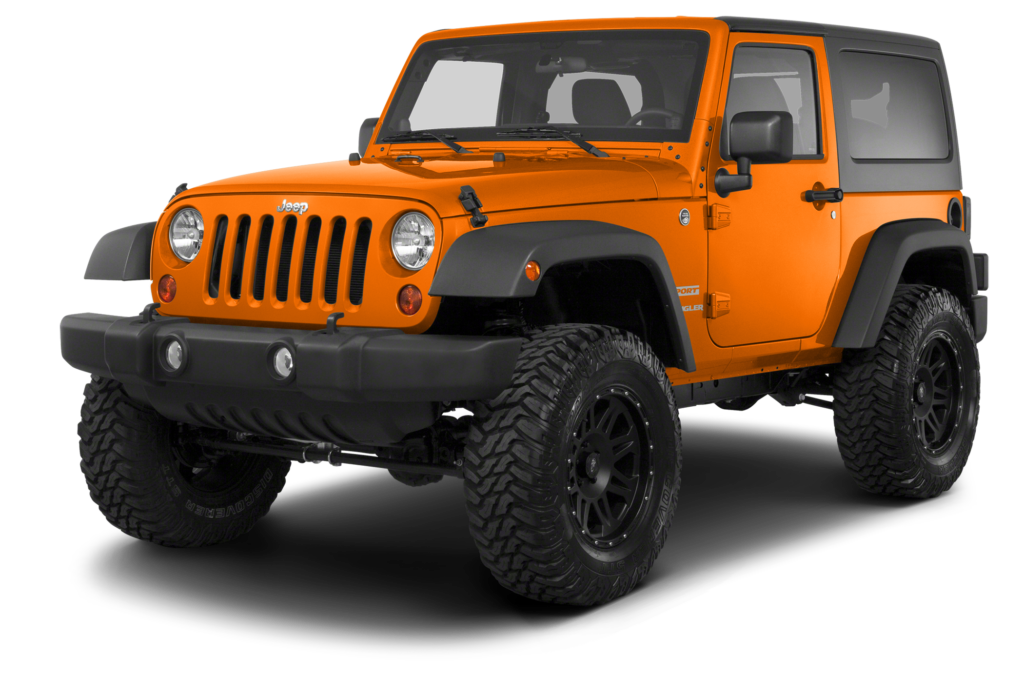
From a practical ownership perspective, the 2013 jeep wrangler wrangler remains durable and distinctive, though price factors reflect its niche appeal. Maintenance can be straightforward, but some components and drivetrain parts cost more than typical passenger cars, and fuel economy is modest by modern standards. Used-values for well-preserved Unlimited and Rubicon models tend to hold, given strong demand from enthusiasts and collectors alike. If you want a practical, purpose-built SUV with demonstrable capability, this Wrangler earns respect even as you accept its compromises.