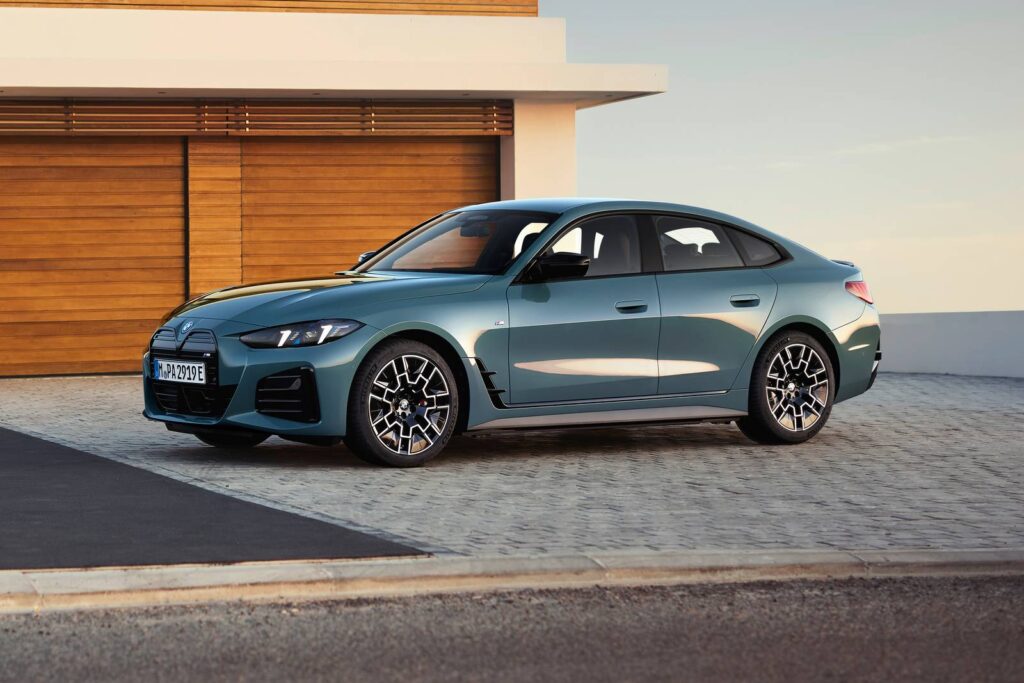
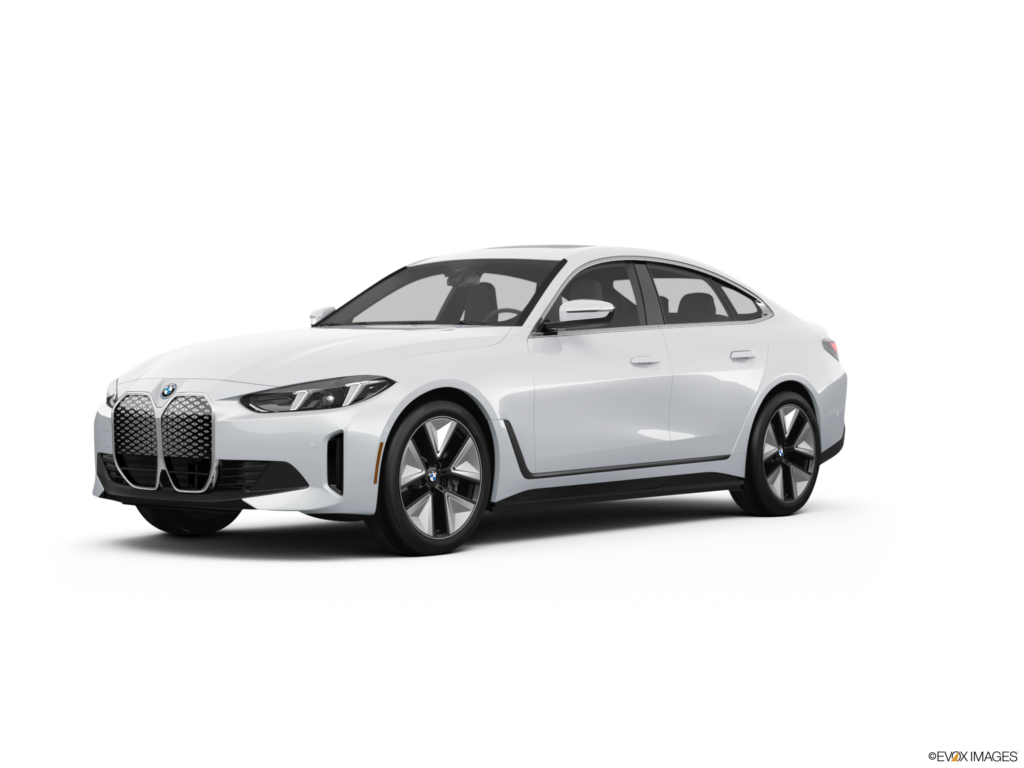
From a long-term ownership lens, the 2026 BMW i4 blends efficiency with familiar BMW driving dynamics. This review sticks to generation-specific details, model-year differences, and ownership costs, helping buyers anticipate battery health, maintenance, depreciation, and charging habits over years of use.
From a long-term ownership angle, the 2026 i4 variants typically share the same electric drivetrain family, with incremental software updates rather than a mechanical overhaul. In a used-car context, buyers should confirm the exact battery capacity, charging capabilities, and any year-specific firmware changes claimed for that calendar year, since efficiency and range can change with software and wear.
Evidence about reliability for the 2026 i4 in used-car form remains sparse at the moment. Independent testing and long-term studies are still forthcoming, and recalls or service campaigns are year-specific. Prospective buyers should verify open recalls with NHTSA or BMW’s own portal and confirm whether the vehicle has had any recalls addressed.
Model-year nuances
On propulsion, the i4 uses an electric motor with a single-speed transmission, so there is no multi-gear system to service. In 2026, the lineup typically includes the rear-drive eDrive40 and the all-wheel-drive M50, with the latter offering stronger performance via dual motors. Long-term maintenance focus centers on battery health, cooling, and motor electronics rather than traditional transmissions.
Maintenance basics
Maintenance and reliability for the 2026 i4 in long-term ownership depend on battery health, software updates, and cooling system reliability. Common concerns with early electric cars have been battery efficiency drift, charging-software quirks, and potential inverter or motor control issues; but for model-year-specific items, verification is needed, and owner feedback varies by vehicle.
Charging behavior and infrastructure matter a lot for the long-term ownership experience. Battery longevity may be influenced by charging routines and climate. Manufacturer claims about range should be checked against independent tester results, and any recalls or service campaigns should be addressed promptly.
Depreciation for the 2026 i4 in the used market depends on battery health, warranty coverage, and local charging infrastructure. Electric sedans can hold value if battery performance remains strong and maintenance remains light, but initial cost and potential battery replacement considerations complicate resale. For long-term ownership, plan for annual maintenance, tires, and insurance costs, with specifics verified in your region.
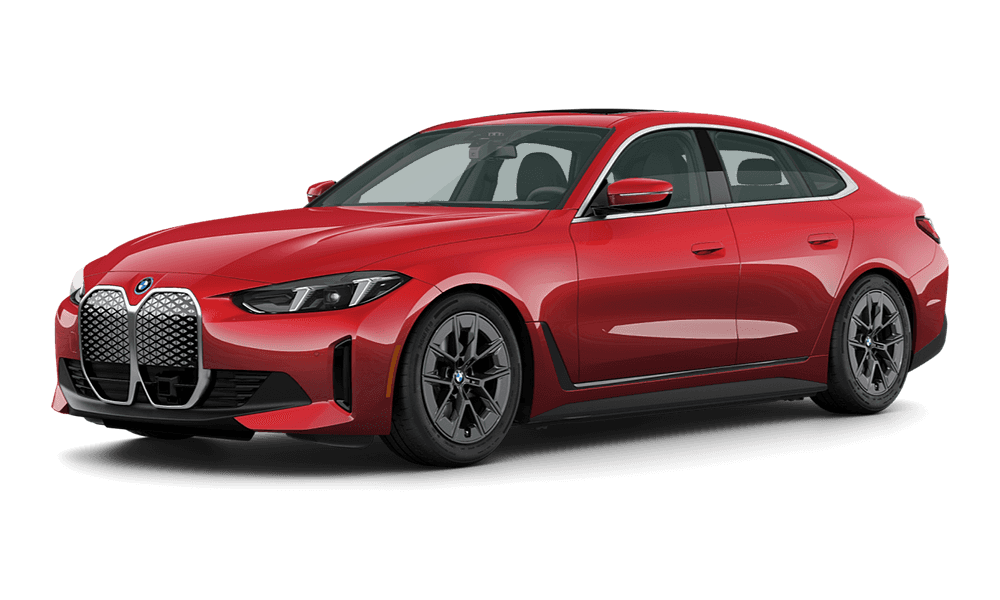
Safety considerations for the 2026 i4 include the brand's active safety tech and standard features, with ratings to be verified from safety agencies for the exact year and trim. For long-term ownership, the key questions are battery aging, charging accessibility, and software support. Manufacturer claims should be weighed against independent test data and owner feedback, and any authoritative sources should be cited for recalls and service.