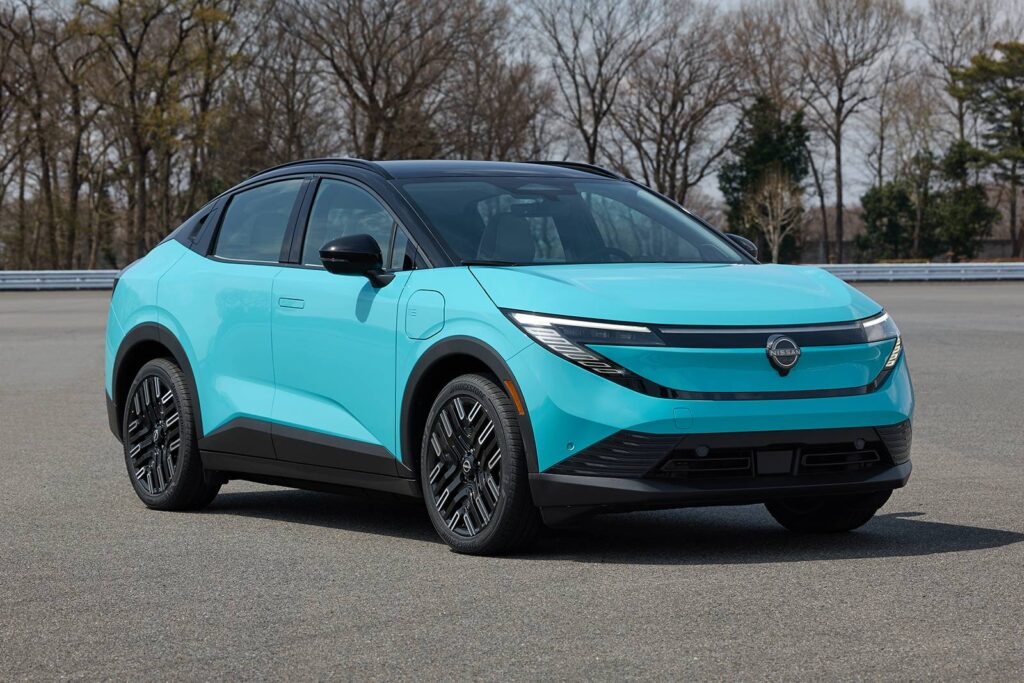
The 2026 Nissan Leaf is a compact electric hatchback built for first‑time EV buyers seeking simple charging, predictable daily use, and a familiar ownership experience. It emphasizes practical value, improved efficiency, and refreshed tech, but exact specs should be verified with a dealer and official Nissan materials.
For a new buyer, the essential questions are value, reliability, and everyday usability. Nissan has not released full specs for every market yet, but the model year is positioned to offer improved efficiency, updated connectivity, and a more comfortable cabin than earlier Leafs. Compare EPA estimates, charging speeds, warranties, and service options to estimate total ownership costs over several years.
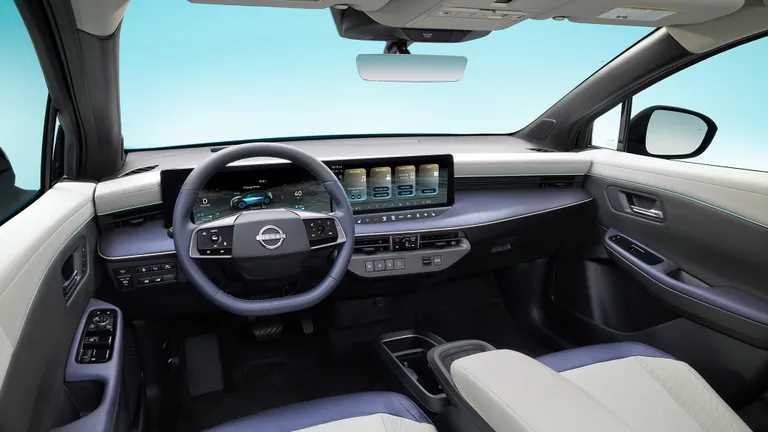
What’s New for 2026
Changes are framed around efficiency and comfort rather than dramatic redesign. Expect updated styling cues, revised interior materials, and upgraded driver‑assist options; battery options may vary by market. Since Nissan publishes different trims regionally, confirm the exact equipment list with your local dealer and official Nissan materials. Independent reviewers will help clarify whether the real‑world gains align with manufacturer claims.
Drive and usability for a new buyer means evaluating ride quality, interior quiet, and everyday maneuverability. Electric power generally offers smooth, immediate torque and quiet operation, with handling that favors city commuting. Real‑world range depends on battery choice, weather, speed, and climate control use, so budget for charging and trips by checking EPA or local tests.
Technology and Safety
Tech and safety features deserve careful scrutiny. Expect a refreshed infotainment setup, smartphone integration, and updated driver‑assist options with more standard content across trims. Markets vary, so verify what is standard versus optional, and look for reliable aftersales support, OTA updates, and service notes. Independent testers often weigh usability and reliability of systems against competitors.
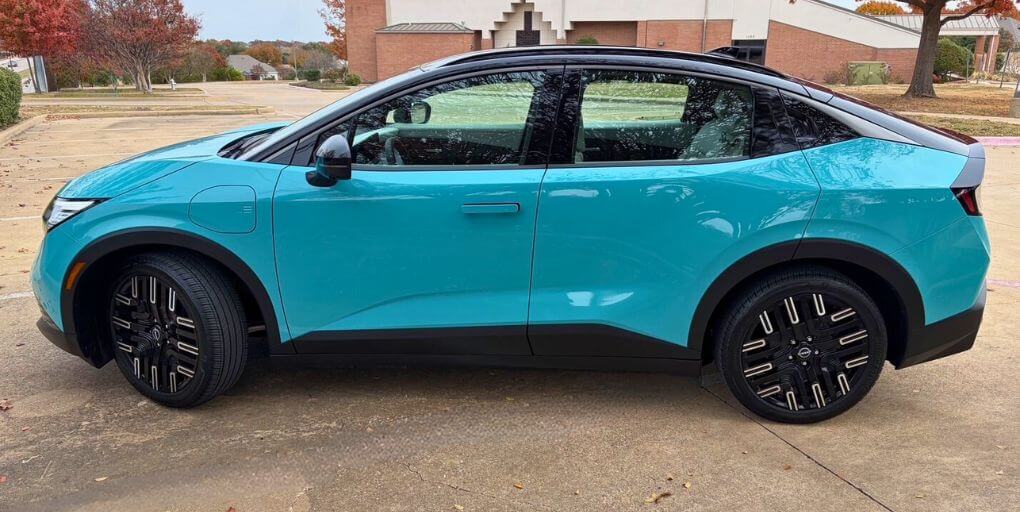
Efficiency, reliability signals, and ownership considerations are central to a new‑buyer decision. The Leaf’s energy use and regenerative braking contribute to overall economy, but exact numbers hinge on battery configuration and drive style. Manufacturer claims should be weighed against independent tests and recall history; owner feedback can illuminate charging convenience, maintenance costs, and warranty satisfaction.
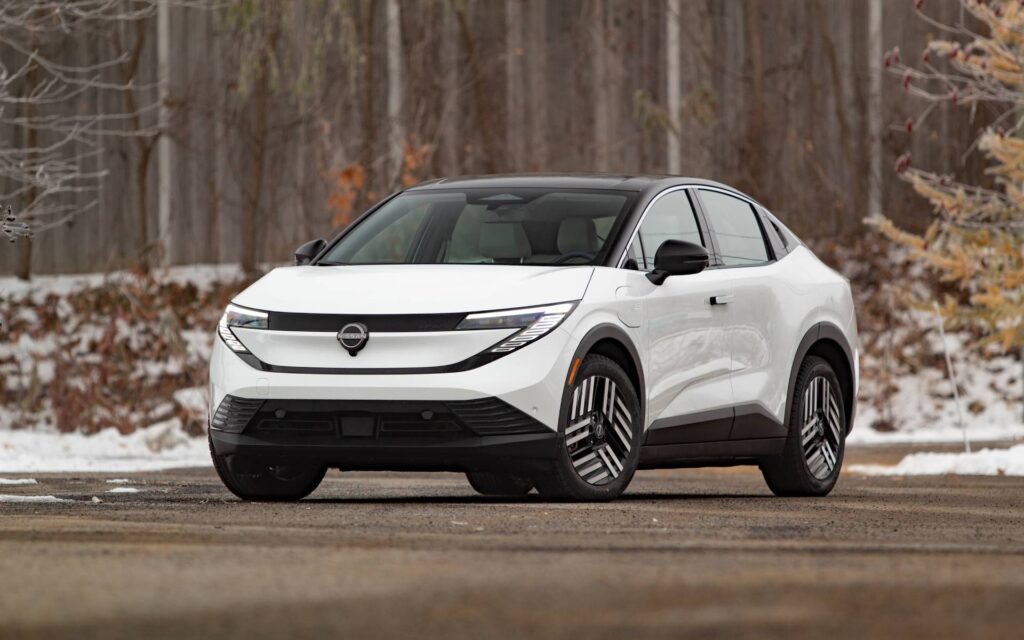
Buying considerations and FAQs for the 2026 Leaf include: total cost of ownership, home charging setup, and networks. Verify battery warranty and degradation terms, and understand service availability in your area. Common questions from new buyers include charging time, realistic range, warranty coverage, and maintenance costs. Until official data arrives, rely on Nissan materials, regulator disclosures, test drives, and owner reviews to gauge reliability and practicality.