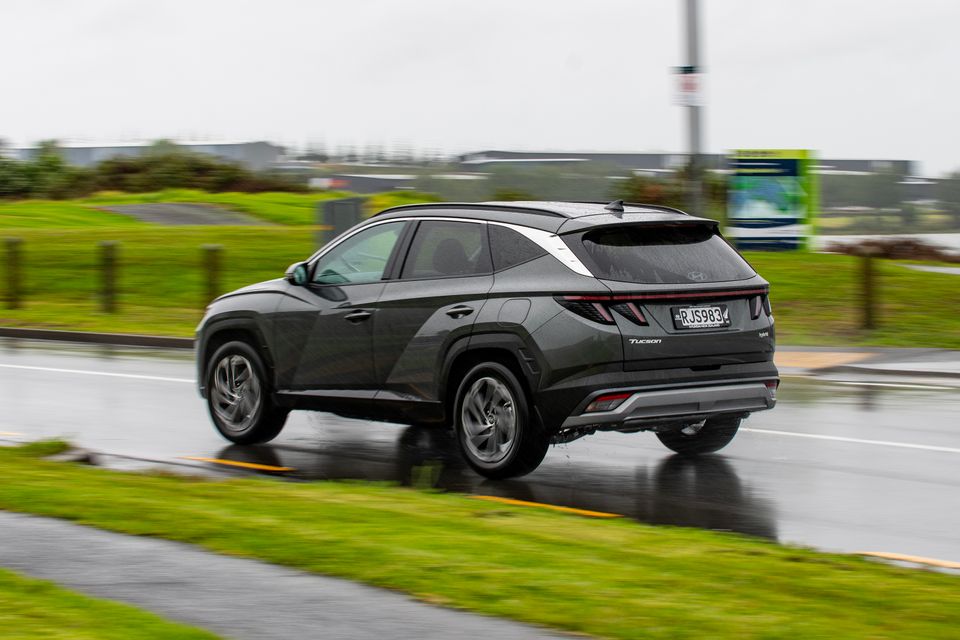
Hyundai's 2026 Tucson targets family usability with updated tech, comfort, and efficiency. This review outlines what’s new versus last year and how cargo space, a quiet cabin, and easy infotainment translate to real-world family life.
Confirmed: The 2026 Tucson brings refreshed styling and updated onboard tech compared with the 2025 model, aimed at boosting daily usability for families. The overall footprint remains practical for family life, with flexible cargo space and a quieter cabin. Details on exact powertrain options and trim names vary by market and have not been independently verified. Expect Hyundai's family-focused feature set, such as easy access and user-friendly tech, to carry over.
What’s new for 2026
Centered on family use, Hyundai is said to update styling cues and enhance connectivity. Confirmed changes appear to focus on exterior styling tweaks, cabin materials, and an updated infotainment interface; powertrain options and final trim lineup require verification. The updates aim to simplify daily family duties, from car-seat installs to weekend trips. For many buyers, these adjustments should translate to easier ownership.
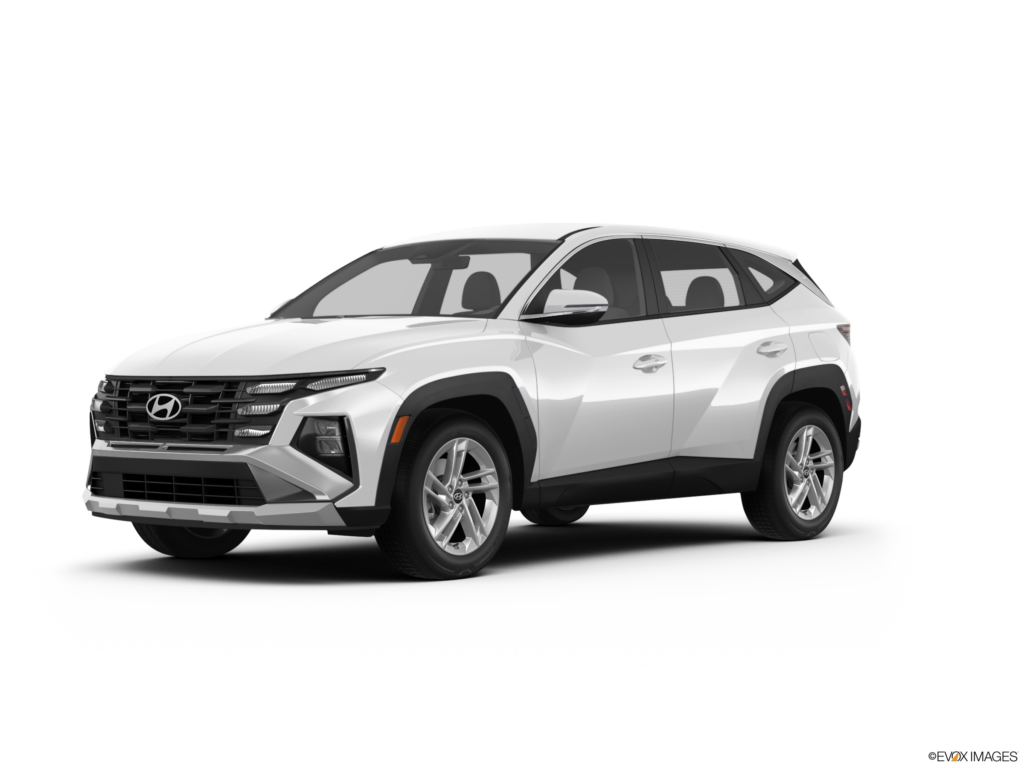
Driving dynamics are tuned for comfort and practicality, with a smoother ride on rough pavement and supportive rear seats for long drives with kids. Road and wind noise suppression helps conversations during carpool, and the overall chassis feels stable with family luggage aboard. Steering response is predictable at typical family speeds, avoiding abrupt handling that can unsettle younger passengers. The result is a stress-free daily driver.
Trims and powertrains
Important trims and powertrains are said to span conventional gasoline, hybrid, and plug-in variants, potentially expanding family-friendliness through efficiency. Exact availability, pricing, and horsepower figures vary by market and must be verified. Hyundai typically targets practicality in seating, cargo, and safety tech across trims, with more luxurious trims adding comfort features. Real-world fuel economy depends on powertrain choice and driving style.
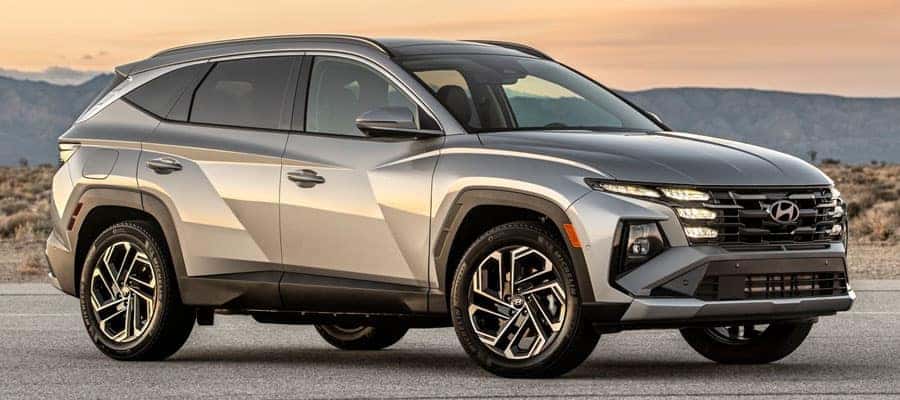
Technology emphasizes family convenience: larger infotainment screens, wireless charging, and seamless smartphone integration. Standard driver-assist features like automatic emergency braking, lane-keeping assist, and rear-seat reminders are highlighted, though independent verification of performance and standard inclusion across trims is pending. Official EPA efficiency figures and reliability data for this generation are not yet established.
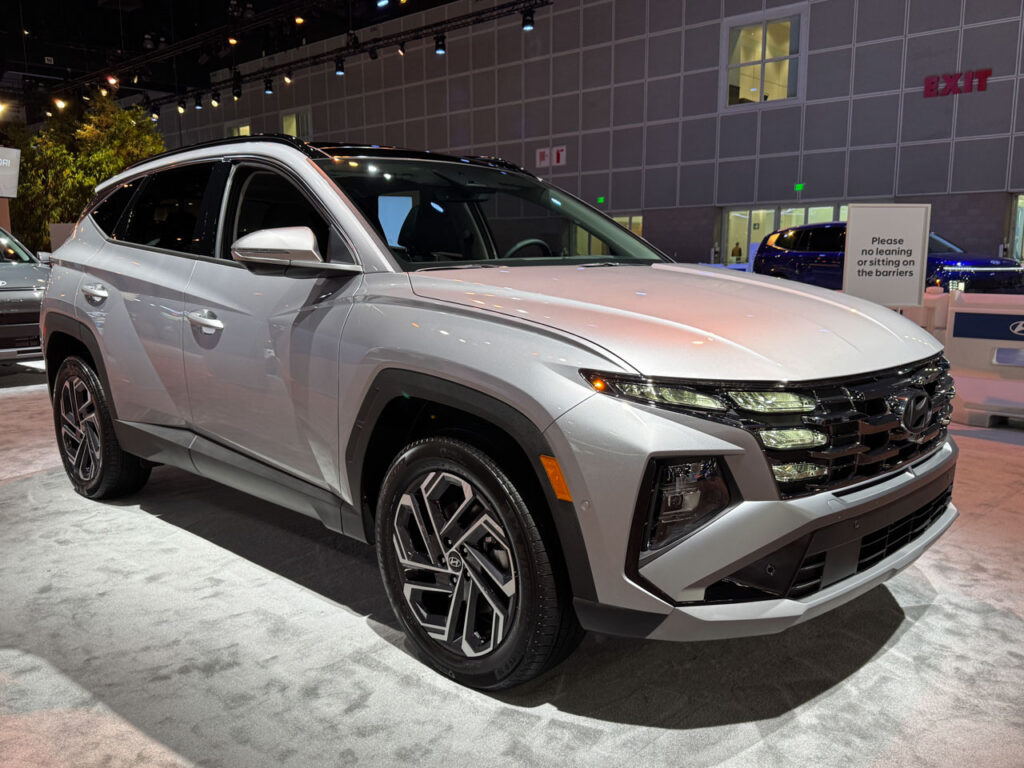
Ownership considerations include warranty terms, maintenance expectations, and a developing reliability record that merits verification. Fuel economy claims depend on powertrain and conditions; consult official ratings. For families, ongoing support from dealer networks, cargo versatility, and seat configurations are practical buying signals, but final judgments should come from a broad pool of owner feedback and independent reviews.