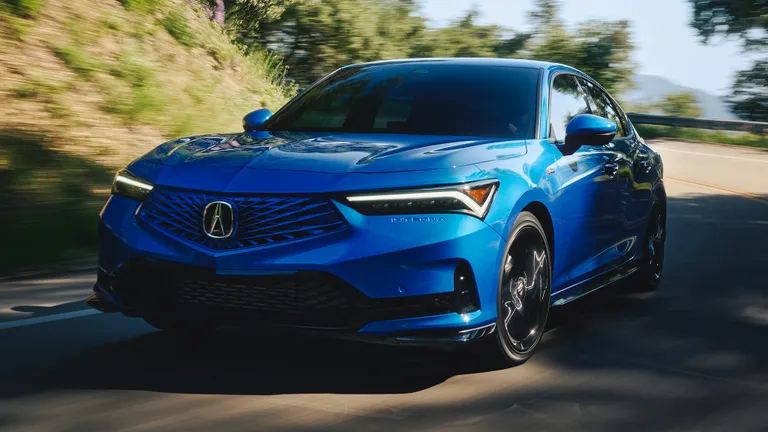
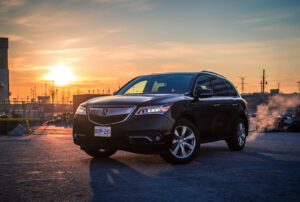
On the highway, the 2026 Acura TLX delivers a quiet, composed ride with steady passing power and confident lane keeping, especially in higher trims. This review centers on generations, model-year differences, maintenance needs, and ownership costs with highway performance as the main yardstick.
TLX generations form a clear line: the original TLX ran through the end of the first decade, while the current second generation began around 2022 and has evolved with mid-cycle updates. For highway use, those changes affect engine response, gearing, and cabin silence. Model-year differences typically center on trims, standard features, and available driver assists.

Generations and year differences
Acura has offered multiple powertrains across the TLX's current generation, with engine and transmission choices that vary by trim and year. On the highway, the turbocharged four typically aims for smooth, linear acceleration with reasonable efficiency, while sport variants emphasize cornering balance and response. Always confirm the exact drivetrain in a specific used TLX, since year-to-year changes are not uniform.
Recalls and reliability signals for the TLX appear year-to-year and trim-dependent; to assess a specific used example, check the NHTSA recall database and Acura notices for the exact VIN and model year. Independent owner feedback varies by generation and configuration, with some drivers reporting electronics or infotainment quirks in certain trims. There is no universal reliability verdict for all 2022-2026 TLXs, so verify with multiple sources and the vehicle history.
Maintenance and inspection
Maintenance and inspection should focus on tires, brakes, and suspension wear, which influence highway comfort and safety. Adhere to the factory schedule for oil changes, fluids, and inspections of steering and alignment, especially if the car has seen long highway runs. Inspect the infotainment system and electricals for age-related faults, and verify that recall work has been completed.
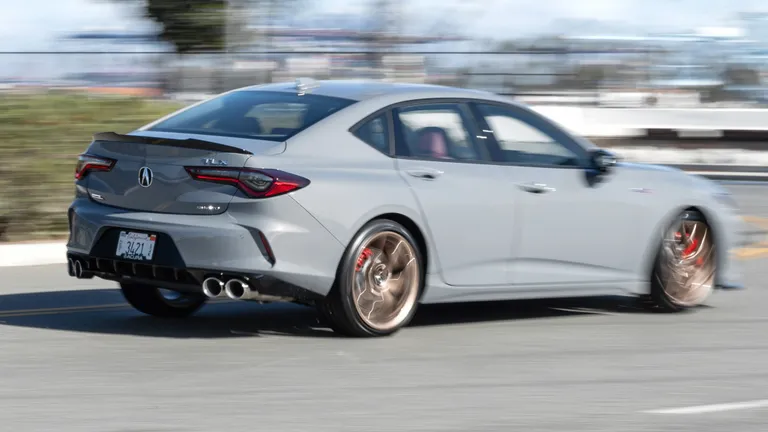
Depreciation for a mid-size luxury sedan like the TLX varies with trim, mileage, and overall market demand; the latest generation generally holds value better than older models, but exact numbers depend on condition and equipment. Ownership costs include routine maintenance, fluids, tires, insurance, and potential repair bills, all of which should be weighed against expected resale. For highway-oriented buyers, fuel economy and tire wear will factor into long-term costs.
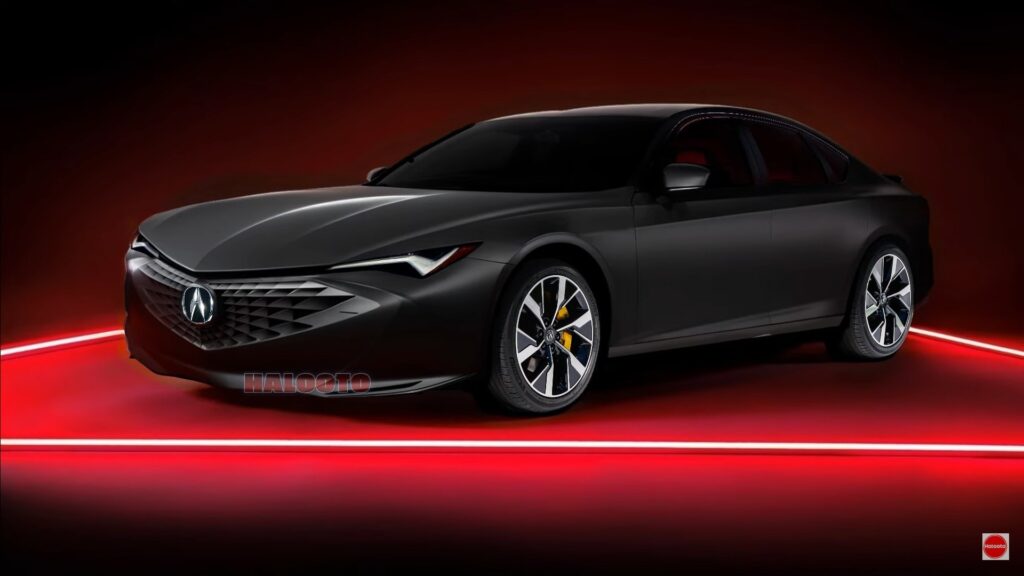
On safety, manufacturer claims and standard features include driver-assist tech, but independent safety ratings and recall histories vary by year and trim; check IIHS and NHTSA for the exact configuration. Highway driving benefits from a stable chassis, good visibility, and effective braking, but costs can rise if premium sensors or tires wear rapidly. Verify the latest safety ratings and service records before purchase.