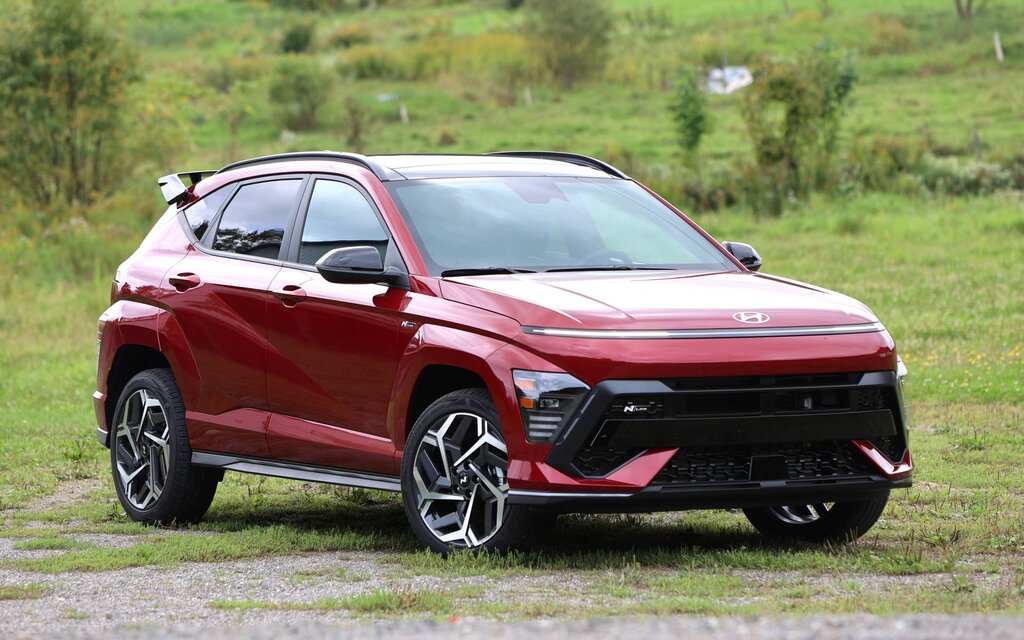
The 2026 Kona Electric sits in Hyundai’s compact-EV lineup with only modest changes and a focus on efficiency. This review traces generations and model-year differences while noting how a hybrid powertrain mindset colors expectations for BEV ownership. It blends practical buying tips with safety, maintenance, and ownership cost considerations.
Across its life, the Kona Electric has seen incremental generational updates rather than a complete redesign. For 2026, you should expect modest range refinements, software tweaks, and trim-level differences rather than a wholesale change to the platform. The core BEV powertrain remains the same, while battery management software aims to improve charging stability and efficiency.
Powertrain perspective
The Kona Electric uses a permanent magnet electric motor at the front with a single-speed transmission and regenerative braking. There is no internal combustion engine or multi-gear gearbox, which keeps running gear simple and quiet. For 2026, Hyundai highlights linear torque delivery and smooth highway performance, though range and performance depend on battery size, trim, and driving conditions.
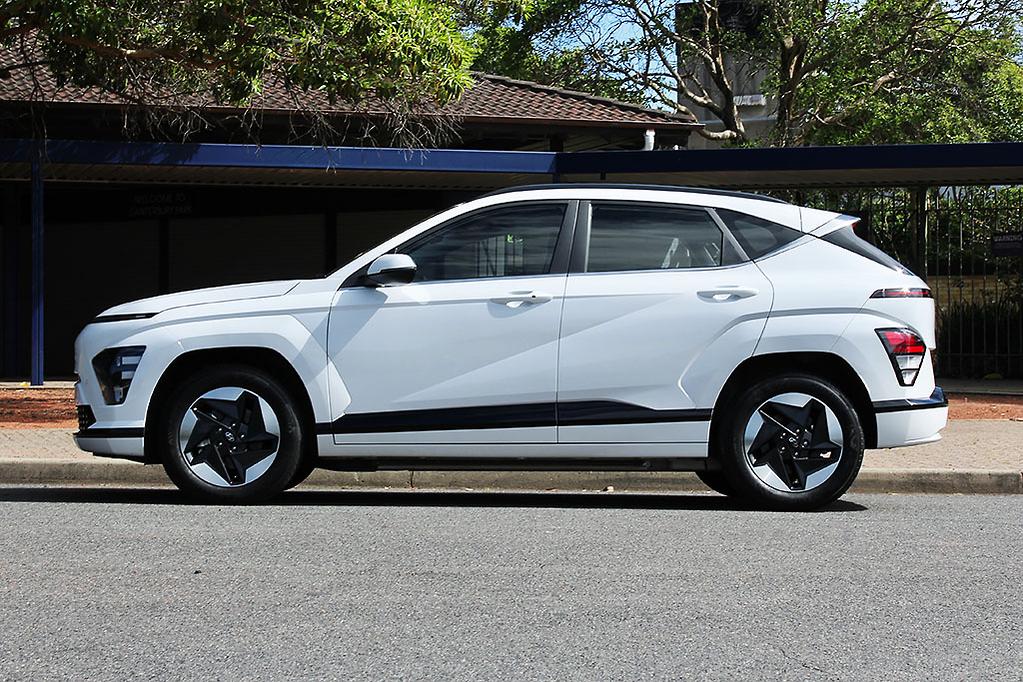
Recalls and reliability notes for the 2026 Kona Electric should be verified with NHTSA and Hyundai, as model-year specifics vary by market. Independent reliability statistics for this year are not published here, so treat any claims as unverified until you consult authoritative data. Earlier Kona Electric issues included charging-system software and battery-management glitches, which underscores the importance of up-to-date software and service history.
Ownership costs
Maintenance for an EV like the Kona Electric is generally lighter on moving parts, but you should plan for high-voltage safety checks, battery cooling, brake wear, and tire replacement. Regular inspections should cover battery temperature management, charging equipment, and software updates. Depreciation will reflect battery health and market demand; warranties and fee structures influence total ownership costs.
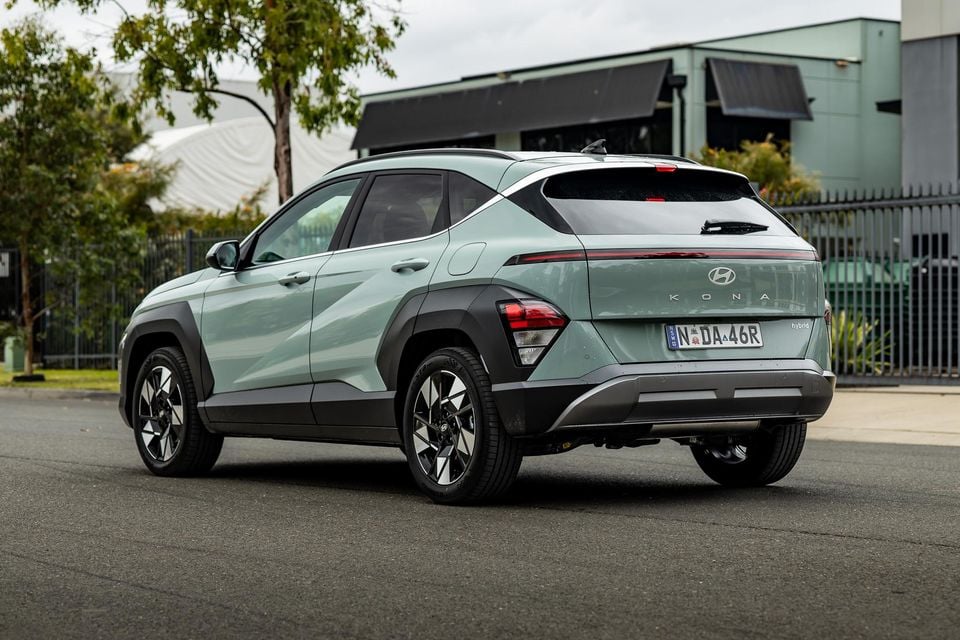
Safety features commonly carried across Kona Electric trims include active safety aids and structural protection, with the overall ownership cost affected by insurance, maintenance, and charging habits. Battery warranty terms, charging-speed limits, and access to repair networks influence long-term costs and reliability. For hybrid-powertrain comparators, consider how fuel and maintenance costs in a Kona Hybrid could alter total ownership.
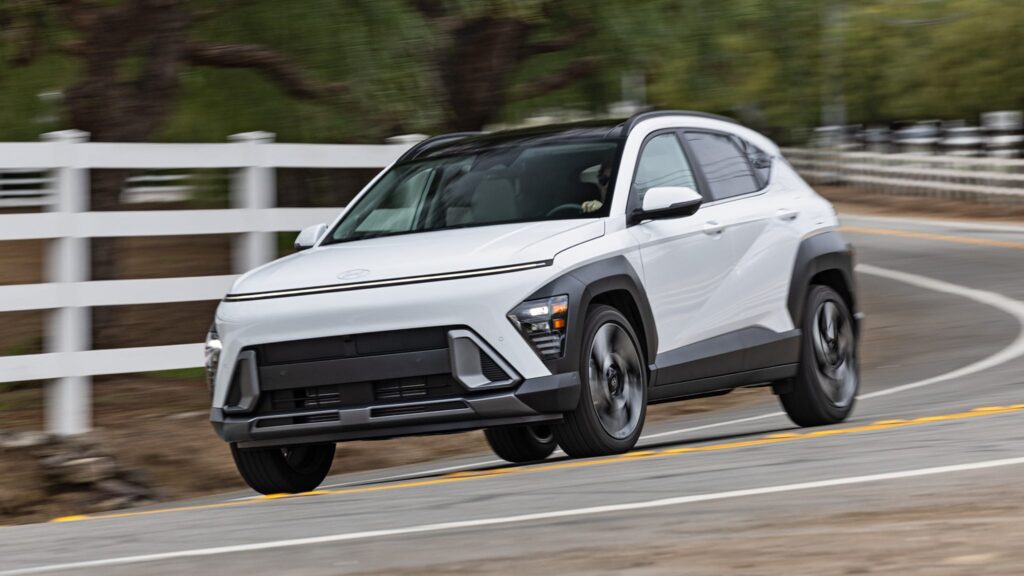
Bottom line for buyers is to verify battery health, current software, and charging history before purchase. If you are choosing between a Kona Electric and a Kona Hybrid, compare hybrid powertrain expectations with BEV ownership costs and range. For 2026 Kona Electric, check recalls, warranty coverage, EPA-rated range, charging availability, and service options via official channels and current data.