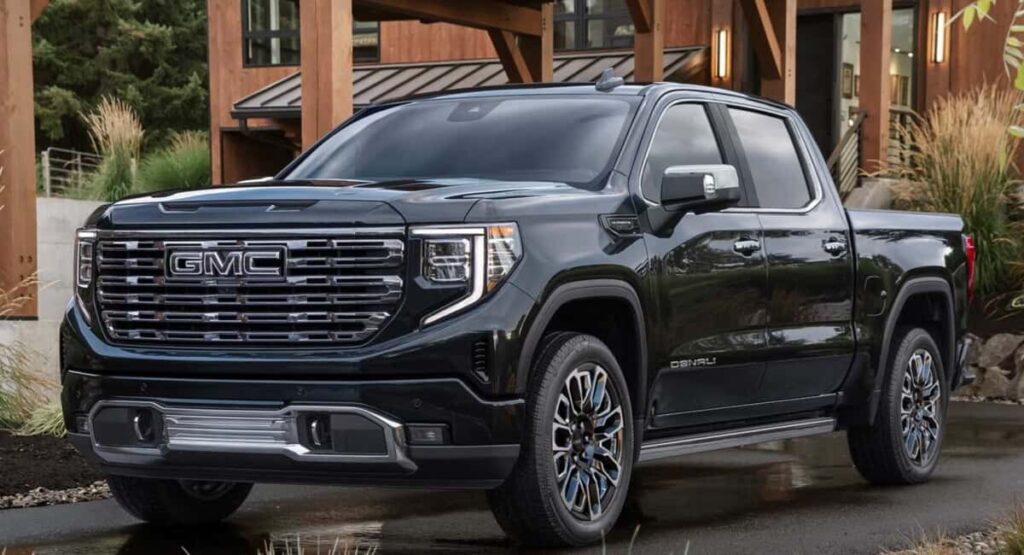
Fuel economy in trucks sits at the crossroads of capability and refinement. In the luxury segment, efficiency influences running costs, daily usability, and resale value while still delivering ample power, a quiet cabin, and confident towing. It's a careful balance buyers evaluate with every purchase.
Short answer: modern luxury trucks have made meaningful gains in fuel efficiency without sacrificing capability. Turbocharged engines, smart transmissions, and mild-hybrid systems help curb consumption on highways and in daily use. Payload and towing still pull the numbers down, especially with four-wheel drive engaged. Real-world economy also depends on driving style, load, and terrain.
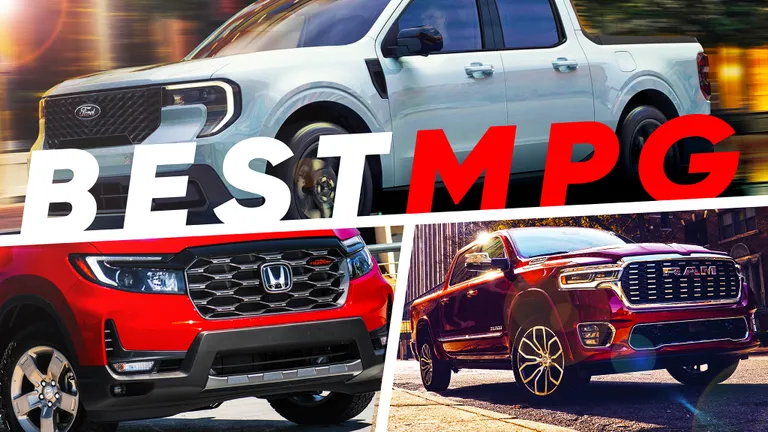
What It Is and Why It Matters
Fuel economy in trucks refers to the efficiency a vehicle delivers over a trip, commonly expressed as miles per gallon in the United States or liters per 100 kilometers in other markets. For luxury pickups, EPA ratings set a baseline, but real-world results vary with payload, drive mode, and weather. Efficiency matters beyond fuel costs because it influences range on long trips, maintenance intervals, and the perceived value of a premium truck. In short, it's not only about numbers on a window sticker.
Beyond the sticker, the way a luxury truck achieves efficiency reveals how engineering choices affect performance. Turbodiesel options and mild-hybrid setups reduce idle and improve torque delivery without surrendering smooth acceleration. Weight management, active aero, and rolling resistance from tires also shape the overall result. Automakers tune exhaust, intake, and transmission shift logic to preserve refinement while squeezing out every mile per gallon.
Key Characteristics
Key characteristics include powertrain variety (gasoline V6s, diesels, and mild hybrids) paired with advanced eight- or ten-speed transmissions that optimize gearing for efficiency. Aerodynamic bodywork, underbody shields, and careful mass tuning help reduce drag and weight without sacrificing cabin space or payload capability. Luxury interiors add comfort electronics that can contribute to energy use, but modern systems are designed to minimize impact through efficient alternators and climate control.
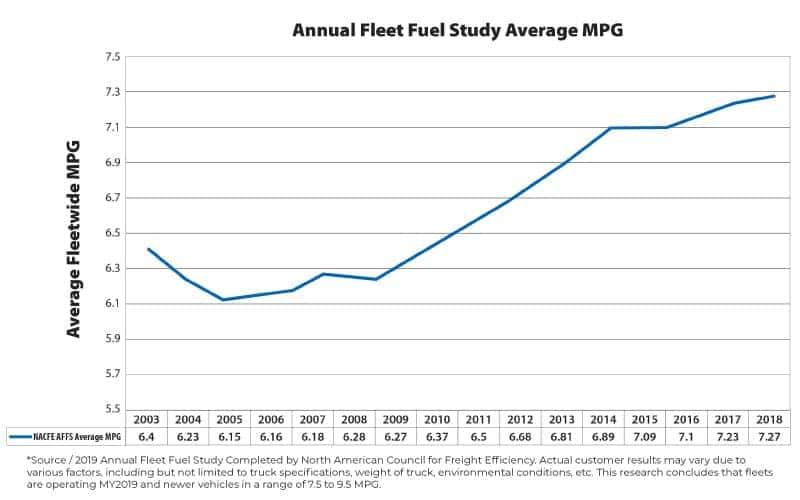
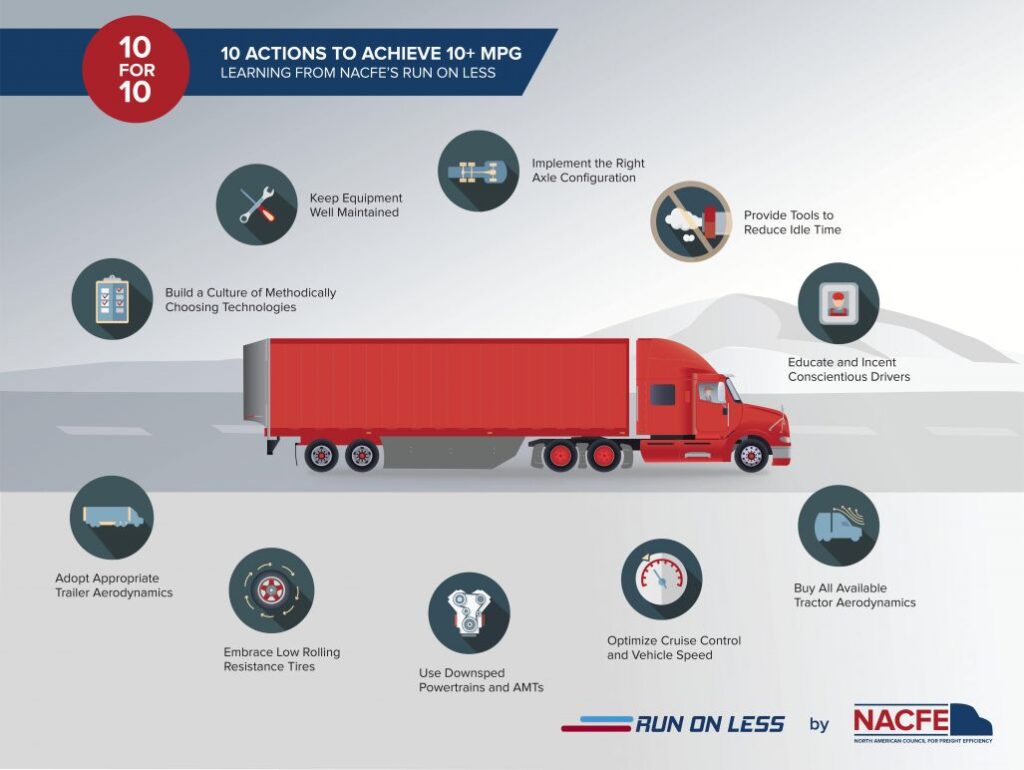
Who it suits includes buyers who spend significant time on highways with occasional heavy payloads. Those who value quiet, refined interiors and predictable power will tolerate modest economy in exchange for premium comfort and towing ability. Fleet operators and long-distance travelers benefit from stable efficiency that translates into lower operating costs, while weekend adventurers must assess whether the premium for luxury matches their actual usage.