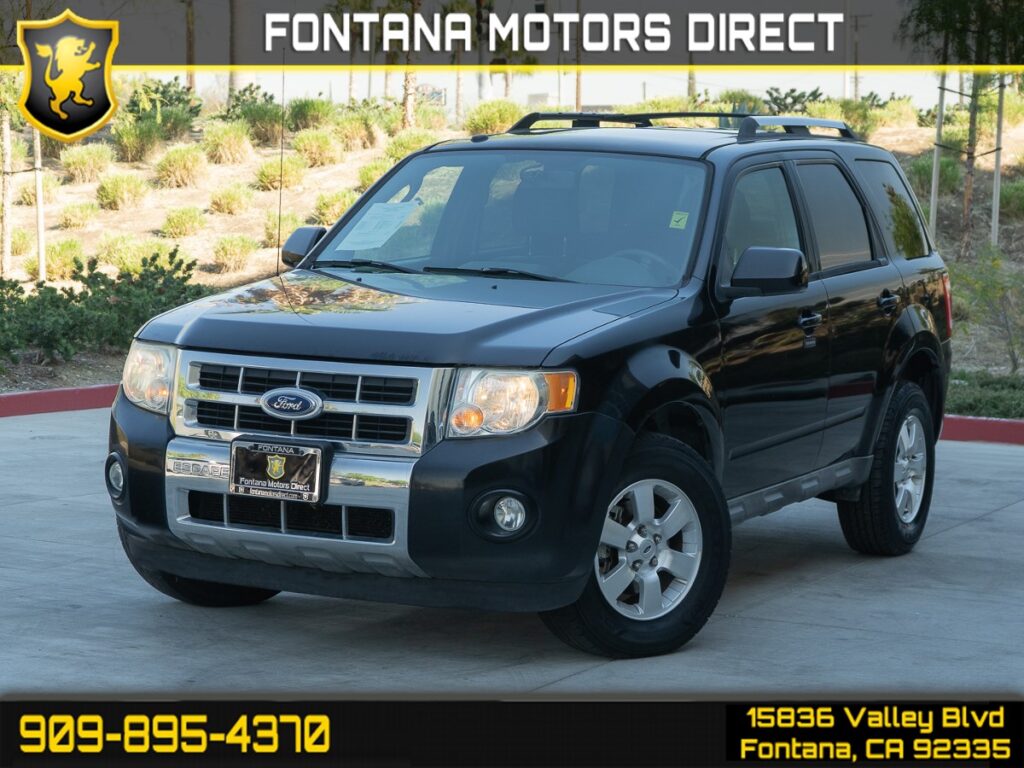
The 2009 ford escape sits at a reliability crossroads for aging compact SUVs. This guide separates myth from reality, showing how maintenance habits, typical wear points, and practical ownership expectations affect long-term dependability for this model.
Myth vs reality is common with older crossovers. The notion that any 10-year-old SUV is inherently doomed to expensive repairs ignores the care it has received. A well-documented maintenance history and timely part replacements can keep critical systems reliable, while skipping routine service accelerates wear. Understanding the typical trouble spots and what to watch for helps set sensible ownership expectations.
At a Glance
At a glance, the 2009 Escape remains a practical compact SUV with a footprint easy to maneuver and park. It can be ordered with front- or all-wheel drive, and it emphasizes space for people and cargo over luxury. Interiors are durable enough to withstand daily use, though materials reflect the era. Overall, it remains straightforward to own and repair compared with newer crossover rivals.
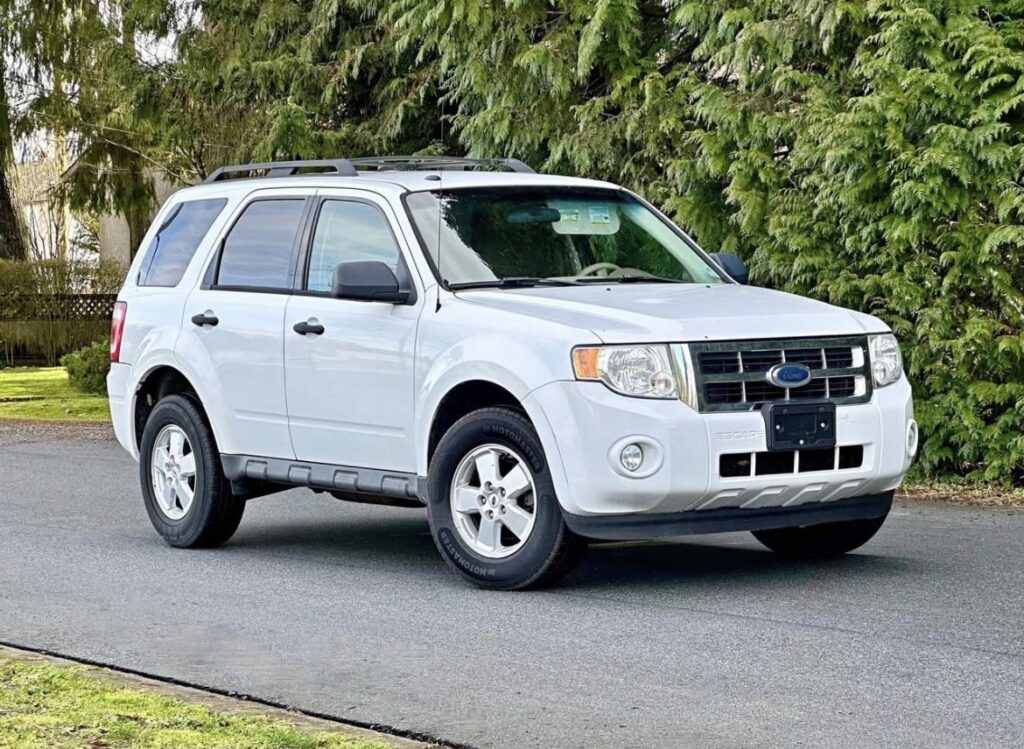
The main question buyers ask about the 2009 ford escape is whether it remains a dependable daily driver as miles accumulate. The short answer is it can be, with consistent maintenance. Key considerations include the condition of the cooling system, the integrity of the transmission, and the status of suspension components. A complete service history and evidence of timely repairs are strong signals of long-term reliability.
Powertrain and Drivetrain
Powertrain choices for the 2009 Escape balance efficiency and everyday strength. Most trims pair a small four cylinder or a larger V6 with an automatic transmission. The engines tend to respond well when maintained; however, cooling-system wear and timing chain maintenance are prudent checks. All-wheel-drive variants add complexity, so verify the driveshaft and axle seals are in good condition.
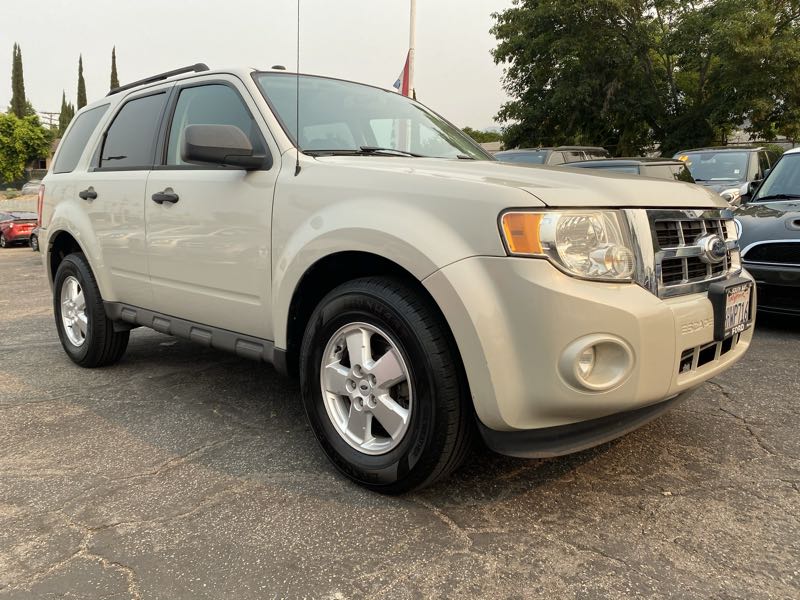
Chassis, handling and interior usability shape everyday ownership. The Escape aims for comfort and practicality over sportiness, with a ride that remains capable on varied road surfaces. The interior uses straightforward controls and durable materials, though some plastics can feel dated. Cargo flexibility and split-fold seats remain strong points, especially for families or gear-heavy outings.
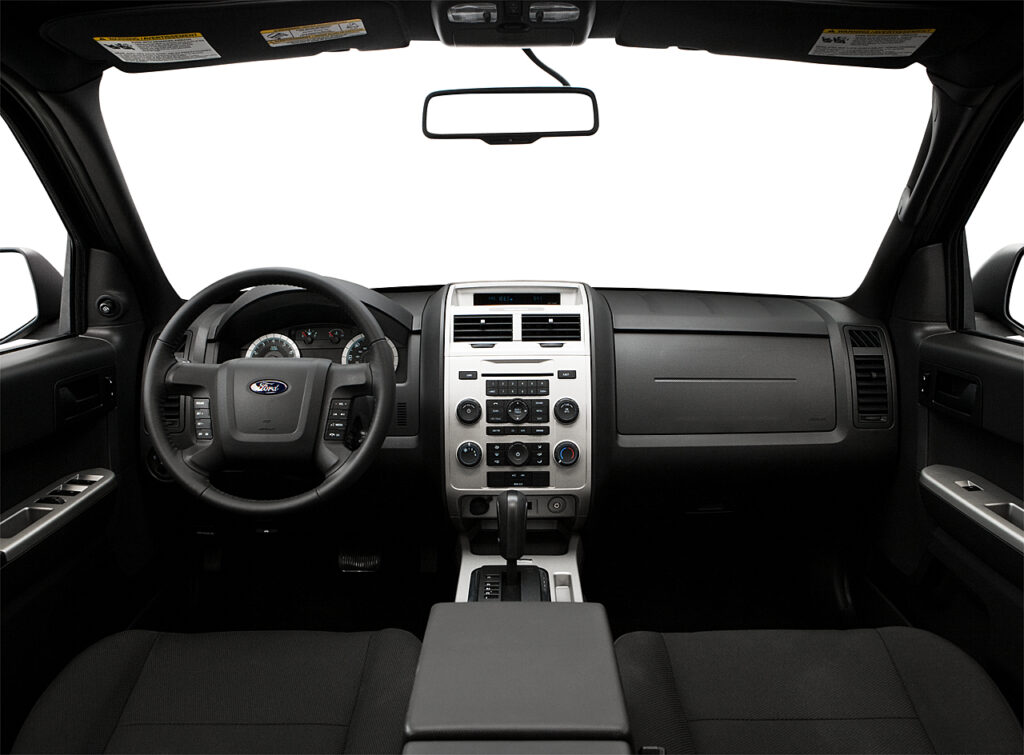
Maintenance and ownership realities help set expectations. Prioritize cooling-system service, battery and alternator health, brakes and suspension components to avoid surprise repairs. While not flawless, a well-kept example often rewards steady upkeep with reliable service for daily routines and occasional trips. In short, it stays relevant in the used market conversation when owners commit to proactive care.