
used station wagons offer a surprisingly practical middle ground in the modern market, especially when viewed through a Hatchback Analysis lens. This article weighs myths against measurable realities, helping buyers understand cargo flexibility, price range, and long-term ownership of these versatile family cars.
One common myth is that wagons are old-fashioned and underpowered, traded for fashion-forward crossovers. In practice, many wagons offer strong turbocharged engines, efficient fuel economy, and balanced handling that suits both daily commutes and longer trips. The idea that you must sacrifice cargo space for efficiency isn’t true across many segments, and the used wagon market is robust, with parts sharing and broad model availability helping keep ongoing maintenance affordable.
Truthfully, today’s used wagons blend performance and practicality: turbo four-cylinders or six-cylinders, optional all-wheel drive, and modern safety tech. They tend to provide generous cargo with flexible seating, plus car-like dynamics that inspire confidence behind the wheel. The best examples balance efficiency and utility, prioritizing a calm, predictable ride and thoughtful detail—such as easy folding rear seats and cargo nets—that can make a routine trip feel less like a chore and more like a plan.
The Important Details
Key details include cargo area access and floor height, rear seat versatility, floor length, roof rails, and the availability of all-wheel drive. The nature of the tailgate (liftgate versus traditional hatch) affects weather protection and loading comfort, while a flat cargo floor and low beltline simplify loading bulky items. Towing capacity, payload, and the presence of modern safety tech—like blind-spot monitoring, rear cross-traffic alert, and automatic emergency braking—also shape real-world usefulness for families, pet owners, and outdoor enthusiasts who rely on reliable gear transport.
Why Those Details Matter
Why these design choices matter becomes clear when you consider daily errands, road trips, or weekend projects. A low loading floor makes loading easier, while a wide opening reduces cargo damage risk. Rear seat folding variety determines whether you can haul a kayak or a stroller without moving the seat. AWD can improve traction in winter, but it often adds weight and reduces efficiency, a trade-off buyers should weigh against the typical climate, commute length, and expected loads. Overall, the right details tailor the wagon to a specific lifestyle.
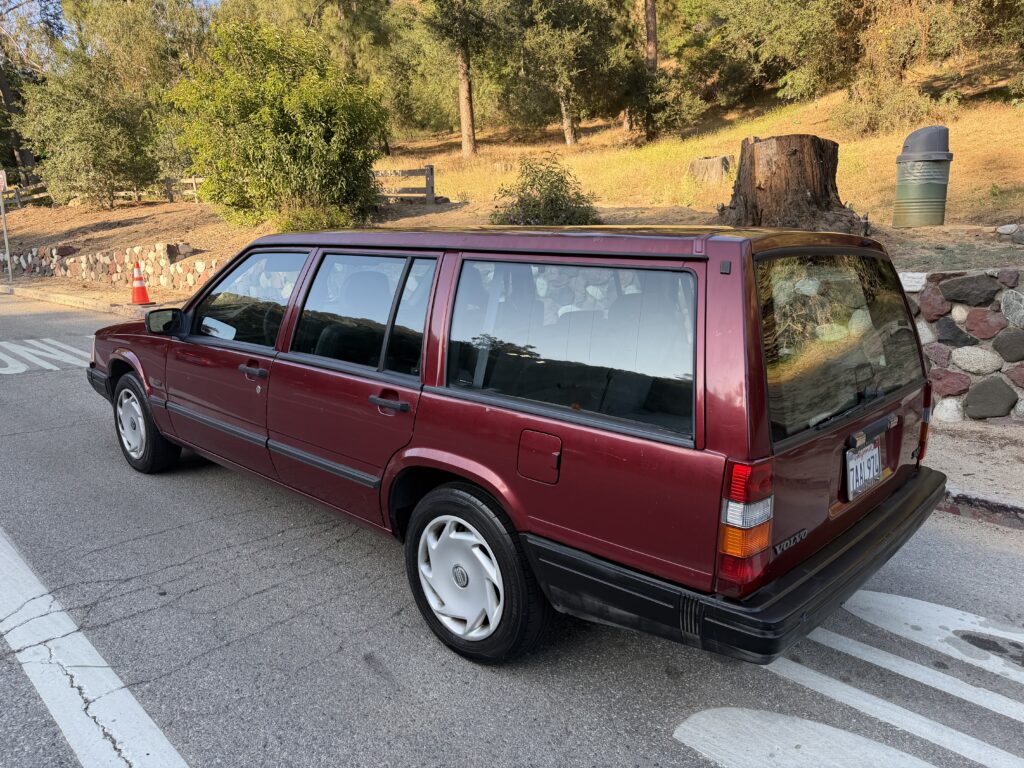
Everyday Experience: The wagon form typically yields easy loading from the curb, with doors that are wide and predictable. Cargo space remains usable with seats up or folded, and the ergonomic cabin layout reduces fatigue on longer trips. In city driving, visibility and maneuverability are generally reassuring, with a composed ride that leans toward car-like comfort rather than truckish roughness.
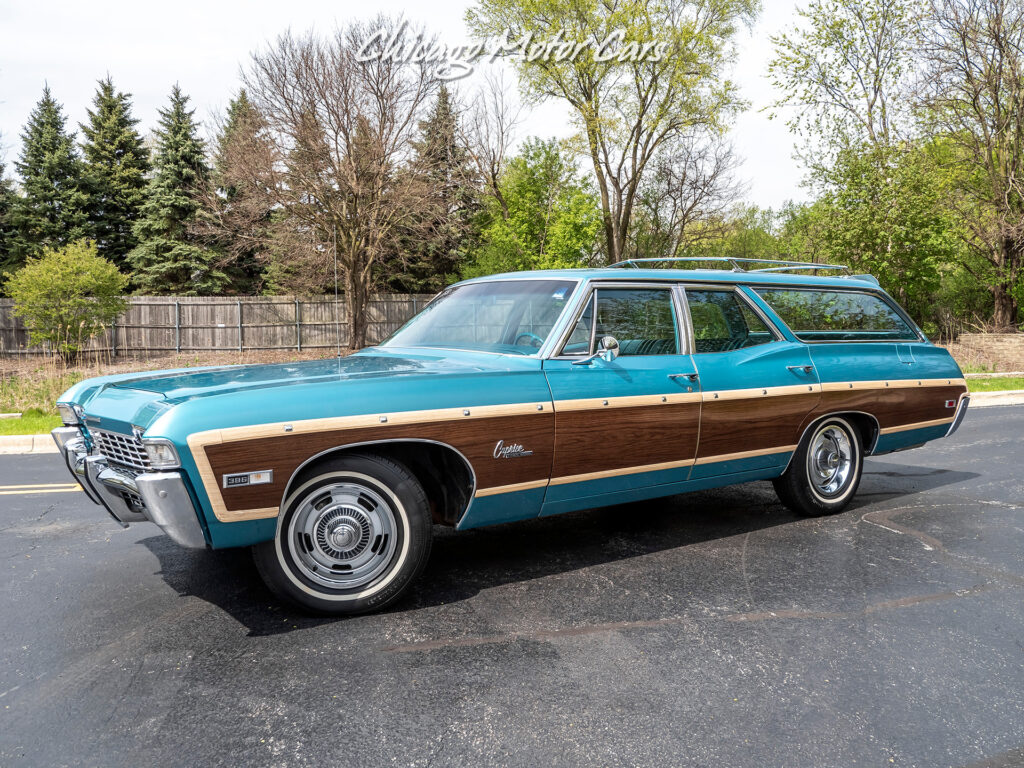
Longer-Term Considerations: Maintenance costs depend on the drivetrain and model age. Used wagons tend to share components with sedans, which helps pricing for parts and repairs. AWD variants may incur higher maintenance costs, particularly as the vehicle ages and winter wear takes a toll. Rust, suspension wear, and the condition of tires and brakes often drive costs; yet with careful shopping and a full service record, a well-kept wagon can deliver years of practical service.
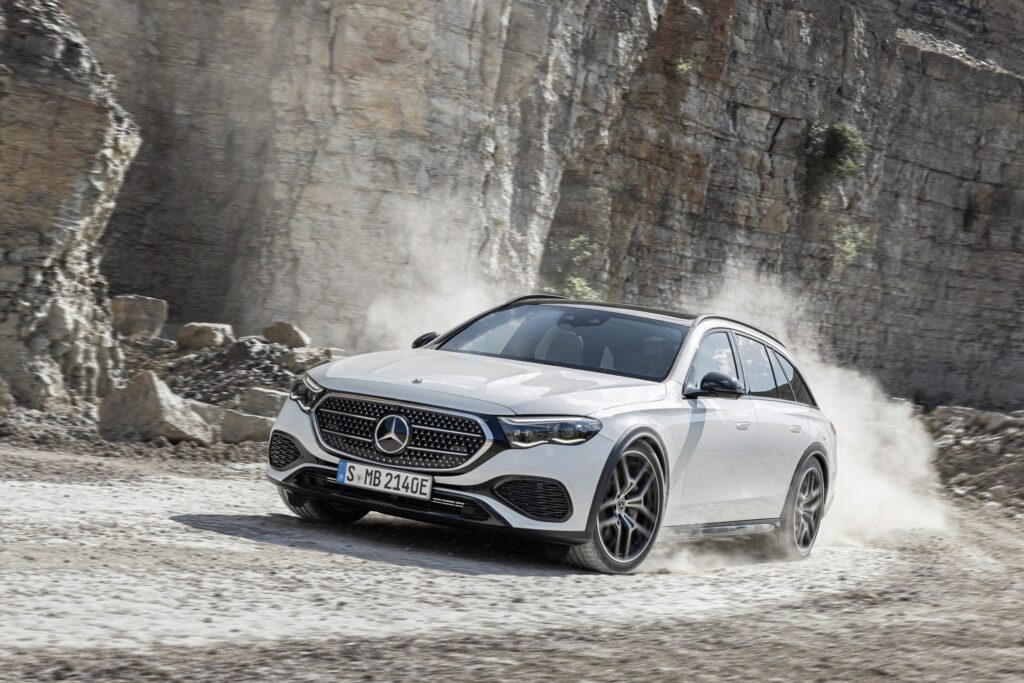
Conclusion: For buyers seeking practical versatility without sacrificing everyday driving enjoyment, used station wagons deserve a closer look. They offer meaningful cargo capacity, comfortable rides, and efficiency that outpace many SUVs in real-world use. The key is to separate myths from reality by inspecting the important details, considering your typical loads, and weighing trade-offs such as weight, cost, and maintenance. A thoughtful choice here can yield a dependable, long-lived partner for family life and adventures.


