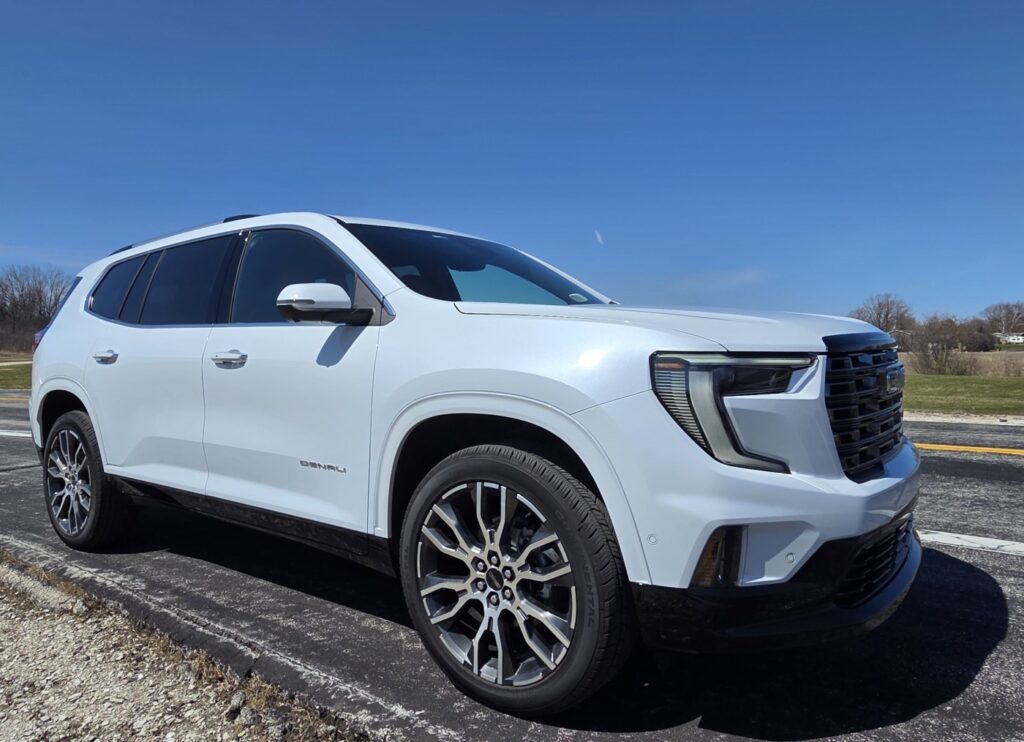
The 2026 GMC Acadia centers on cargo versatility and practical three-row utility, inviting buyers to weigh seat configurations, cargo access, and daily usability. This consumer-focused assessment compares trims, powertrains, safety, and ownership costs while noting where official claims diverge from independent data and owner experience.
GM positions the Acadia as a flexible family hauler with easy-to-reach cargo, modular seats, and accessible storage. Independent testing and owner feedback point to how the second row folds and how the cargo floor remains relatively flat when configured for gear. Buyers should inspect seat-fold mechanisms and cargo tie-downs in person, as trim levels affect fit and function.
Cargo and Utility
Powertrain options have historically included a turbocharged four-cylinder and a larger V6, with all-wheel drive available in several trims. Independent and consumer feedback describe a calm highway demeanor and adequate highway acceleration, while some prefer the V6 for confident overtaking. Official claims about towing or payload should be verified against the model year's spec sheet, as configurations vary by trim and region.
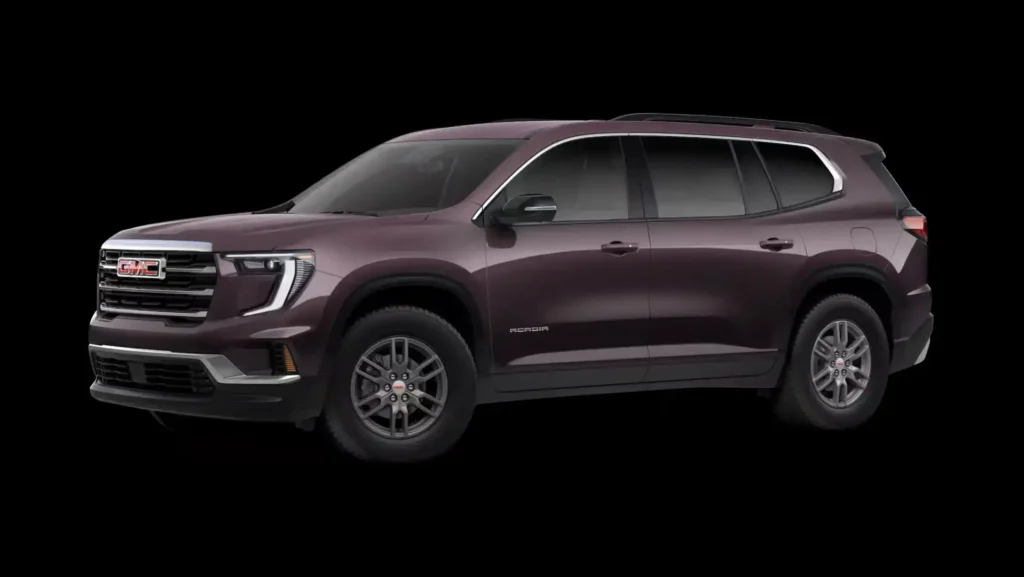
Safety and driver-assist features are a core part of the Acadia offer across trims, with GM claiming a suite designed to support prevention and awareness. Independent testing and safety-agency observations should be consulted to verify how the system functions in real conditions, especially in crowded traffic. Owner reviews often highlight screen visibility and ease of use as practical considerations.
Driving Dynamics
On the road, the Acadia aims for a composed ride with quiet cabin refinement, though steering feel and cornering confidence can depend on trim and wheel setup. Acceleration from base engines may feel adequate for daily needs, while heavier loads or higher speeds may reveal how the suspension handles weight. Independent tests and owner feedback should be consulted for actual fuel-and-torque behavior.
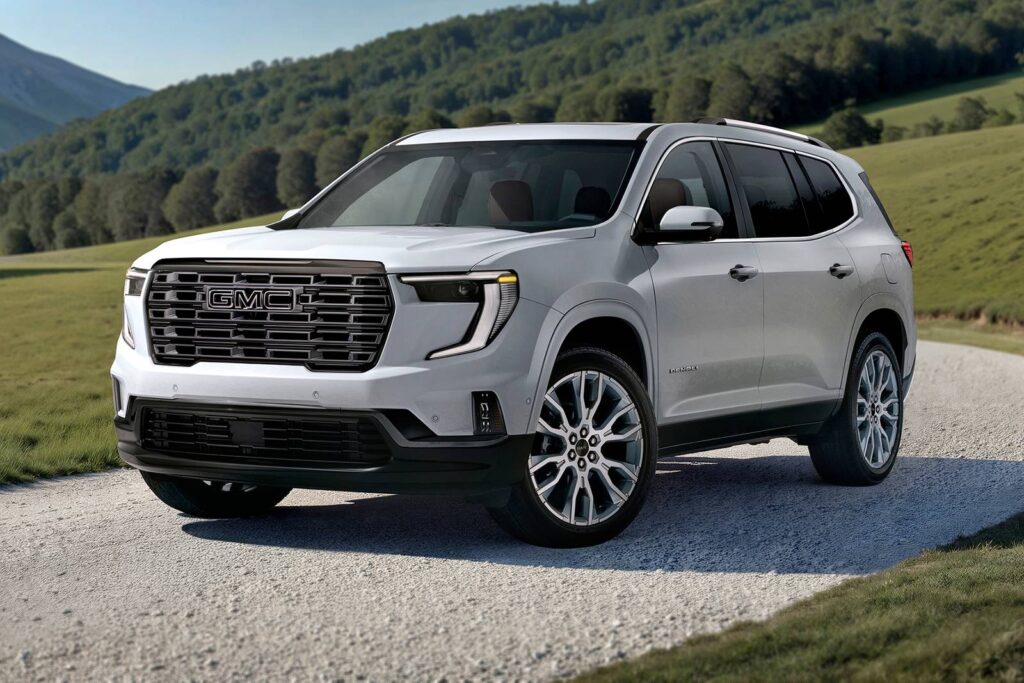
Efficiency varies with trim, drivetrain, and usage. Manufacturer claims of fuel economy depend on configuration, while independent testing often shows real-world numbers that differ from labels. Buyers should compare EPA estimates for city and highway driving and consider factors such as payload, towing, and aerodynamics when estimating annual fuel costs.
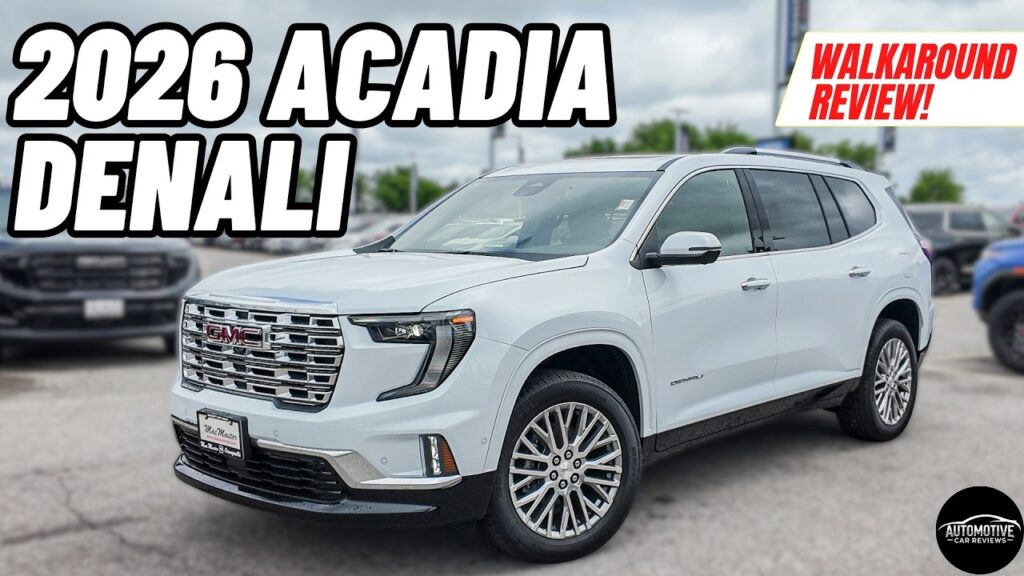
Maintenance-wise, follow GMC's recommended intervals and inspect tires, brakes, and drivetrain components as with any family SUV. Warranty and ownership-cost considerations should be verified with official terms, while third-party sources may provide reliability context. In the segment, rivals such as the Honda Pilot, Toyota Grand Highlander, and Hyundai Palisade offer similar space and features; buyers should compare total ownership costs and long-term resale values.