
A waterproof car cover for electric vehicles shields exterior surfaces from rain, dust, and road spray while protecting battery housings during long parking sessions. This guide explains how these covers fit EV shapes, the materials used, and the trade-offs involved in real-world use.
For EV owners, a waterproof car cover adds a reliable layer of protection when charging outdoors or storing vehicles for extended periods. It helps keep moisture away from connectors and paint, reduces dust buildup, and minimizes the risk of corrosion on trims and underbody components. The right cover respects sensitive sensor housings while staying breathable, allowing venting without letting rain inside.
With proper fit, reinforced seams, and the right fabric, you can preserve finish, protect seals, and minimize detailing. In climates with frequent rain or heavy dew, a well-chosen cover reduces weather-induced wear and helps maintain resale value.
However, protection comes with trade-offs. A cover that hugs the EV’s contours too tightly can trap heat around the battery bay on sunny days, potentially affecting efficiency and comfort when you resume driving. A loose fit may rub against mirrors, antenna housings, or door handles, creating micro-scratches over time. Breathable membranes help manage condensation, but fabrics vary in how quickly they dry after rain.
Look for reinforced seams, adjustable hem cords, vent panels in the upper region, and secure fastenings to balance waterproofing with airflow and ease of use. Also consider the practicalities of storage in a compact garage: a heavy, stiff cover may be cumbersome to handle every week. The goal is protective, not burdensome.
The Short Version
Summary: A waterproof car cover is a practical shield for EVs parked outdoors or in damp spaces. Prioritize fit to avoid gaps, look for breathable, taped seams, and a soft inner layer to prevent chafing. Consider size options that match your model, from compact sedans to larger SUVs. In moderate climates, the cover reduces maintenance time and preserves paint quality.
Key Specifications
Key specifications to compare include fabric construction (three-layer vs single-layer), waterproofing approach (laminated film versus coated fibers), and fit features (elastic hems, mirror pockets, and antenna pass-through). Breathability matters, as does UV resistance to prevent interior fading from sun exposure. Look for reinforced seams, double-stitched panels, and reflective strips for visibility at night. Check storage compatibility, such as a compact pouch or built-in carry bag.
The best options offer sizes that cover a range of EV shapes—from small hatchbacks to mid-size crossovers and larger SUVs—plus compatibility with roof racks, cameras, and charging ports when the cover is not in use.
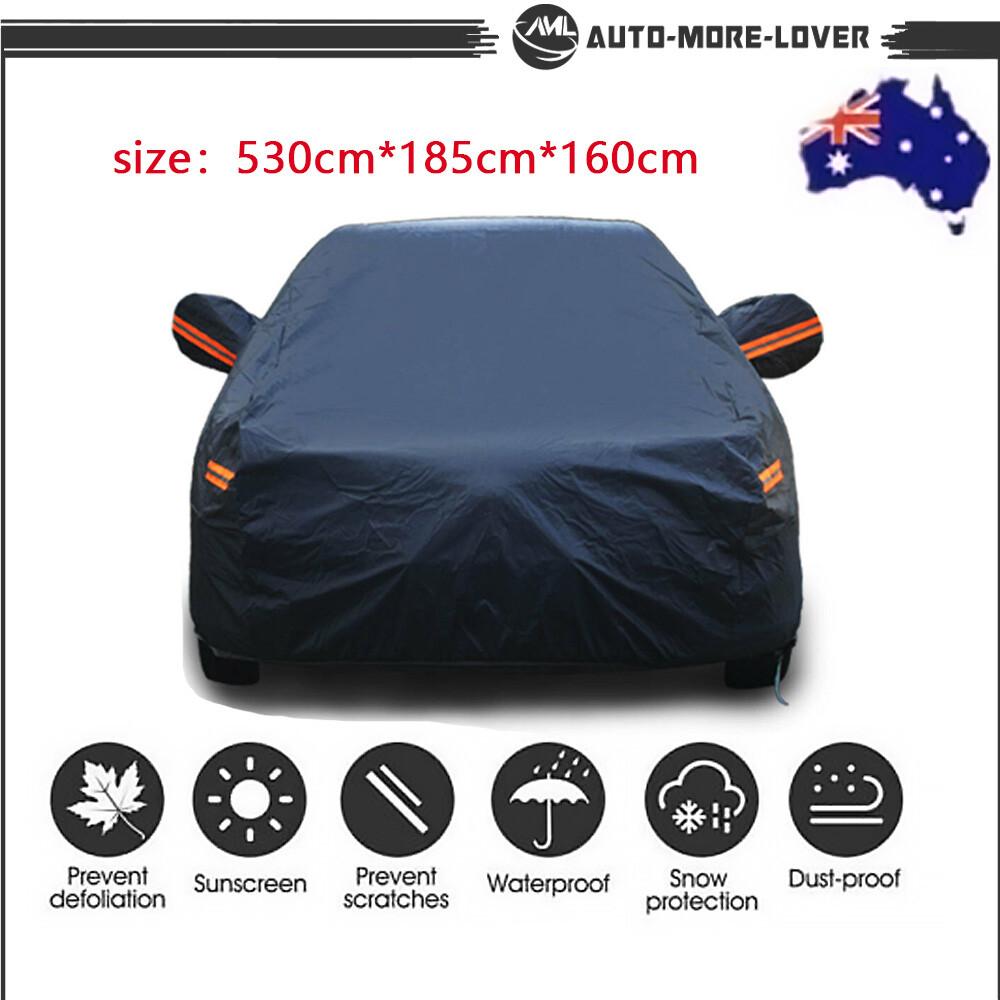
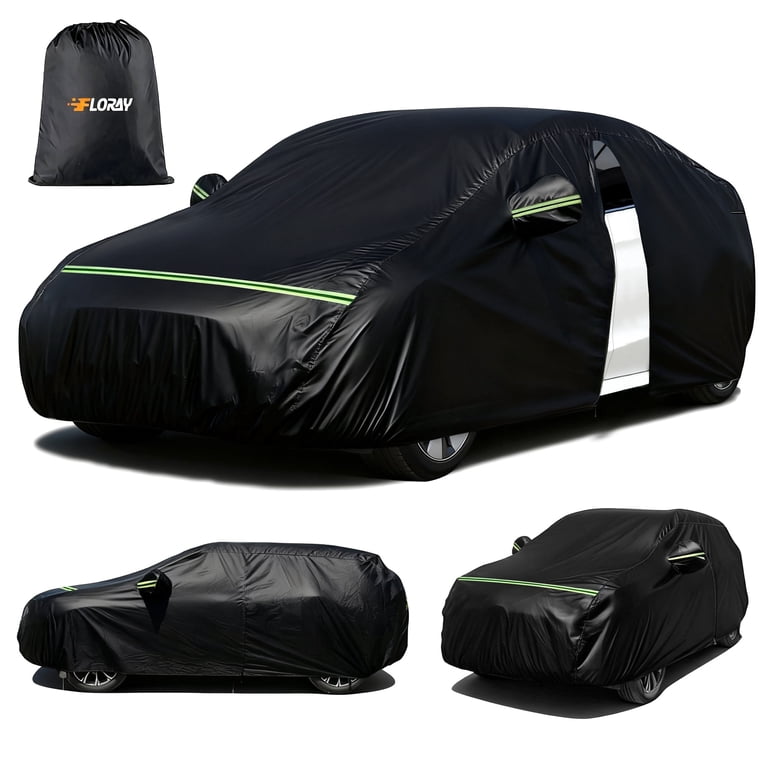
Comfort and Usability: Installation should be straightforward, even in tight garages. Lightweight fabrics, simple straps, and door-edge protection prevent scratches during fitting. A soft inner liner reduces abrasion on paint and sensors, while a compact storage bag keeps the cover ready for daily use. An elastic hem and tailored mirror pockets help ensure a snug, snag-free fit.
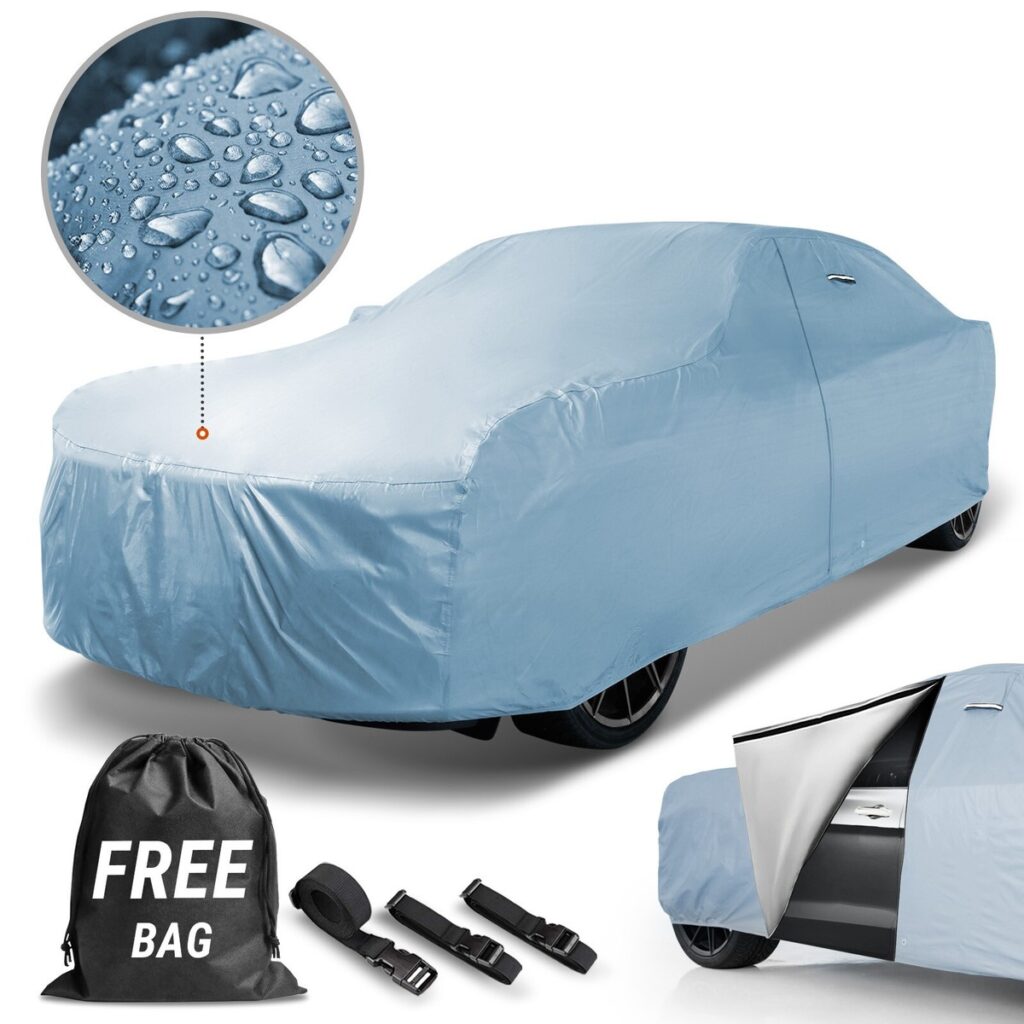
Performance and Efficiency: For EVs, the right balance of waterproofing and breathability matters. Breathable membranes allow moisture to escape, reducing interior humidity while preventing paint staining on exposed panels. Avoid covers that seal too aggressively, which can trap damp air against seals or connectors and promote mildew in humid climates. A well-designed cover uses vents, UV protection, and reinforced seams to preserve finish without creating a damp microclimate.
In windy conditions, secure fastenings and anti-flap features reduce wear. Remember: these covers are intended for parked use and should be removed before charging or operating roof accessories, to avoid interference and ensure proper fit when the vehicle is in use.


