The Amelia has evolved from a focused gathering of vintage aircraft on a single day into a broader program that spans multiple days, featuring flight demonstrations, maintenance workshops, and educational talks while preserving a coastal island setting, and incorporating conference-style panels and clearer scheduling.
Format and Venue
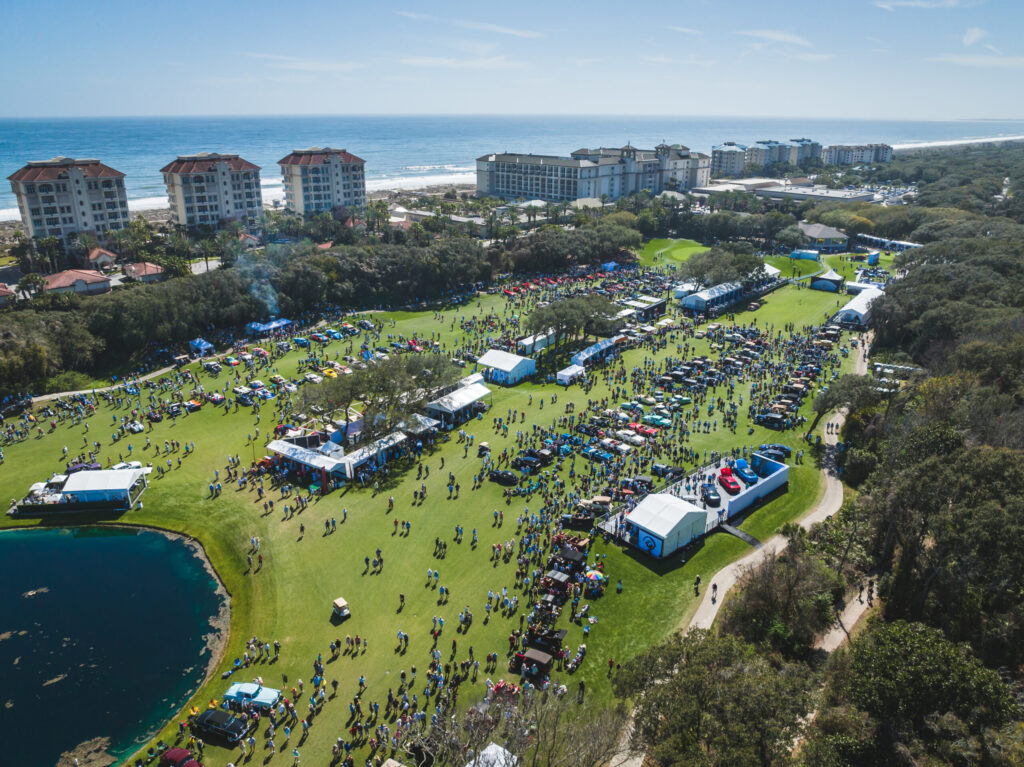
Over the years the event shifted from a single on-site display to a program across several locations on Amelia Island. Air demonstrations and static exhibits remained central, but workshops, talks, and family activities were added. Schedules were published online to coordinate flights and tours, improving accessibility while preserving the event's coastal character.
Dates and Timing
Dates for The Amelia have varied across years, with some editions in spring and others extending into late spring. Organizers have occasionally coordinated the event with regional tourism calendars and school breaks to reduce conflicts. Public health considerations in 2020 and 2021 affected scheduling. The 2025 edition is planned as a multi-day program within that evolving timing pattern.
Activity offerings have broadened to include hands-on maintenance clinics, pilot orientation sessions, and curated tours of nearby facilities. Static aircraft displays remain a fixture, but the scope now includes heritage workshops, archival talks, and family-friendly demonstrations. Volunteer-led tours and partnerships with local museums help visitors engage with aviation history. Some programs require advance registration.
Access and operations have evolved through improved volunteer coordination, streamlined on-site logistics, and partnerships with local hospitality groups. The event increasingly relies on digital ticketing, shuttle services, and volunteer guides to manage flow. These changes aim to sustain the island setting while supporting a broader audience. Community outreach programs accompany the schedule to explain safety and environmental considerations.
Looking toward The Amelia 2025, organizers emphasize documented changes in format, venue, and scheduling rather than claiming overall growth. The plan reflects feedback from exhibitors and visitors while preserving the event's historical focus on aviation heritage. The edition is designed to balance accessible public programs with technical demonstrations for educational impact.