
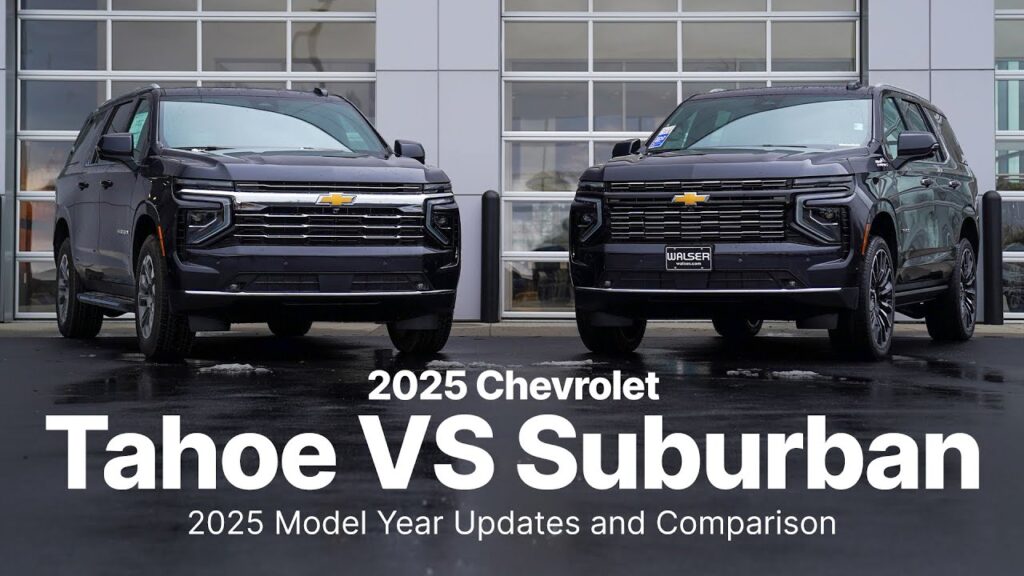
Choosing between the Tahoe and Suburban hinges on size, capability, and daily practicality. Both GM large SUVs share a platform and many features, yet they serve different buyers. This piece cuts through myths to compare space, towing realities, and ownership considerations. Understanding these nuances helps you pick what fits in the garage and in the driveway.
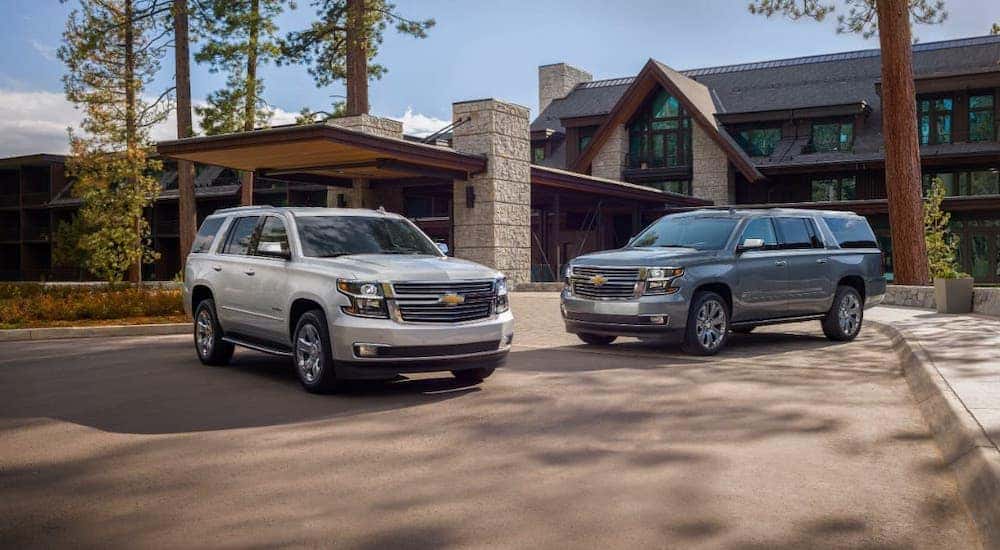
On paper, the two models look related, but the Suburban stretches longer and carves out more cabin and cargo space. They share a rugged, truck-based chassis tuned for stable highway cruising and heavy payloads, yet the Suburban’s extra length translates into noticeably more second- and third-row legroom and a larger cargo area behind the third row. In daily life, that extra space is a meaningful convenience for families, road trips, and weekend gear hauls.
Myth: the Tahoe is sportier and easier to park, while the Suburban is merely a bigger version. Reality: both SUVs share mature handling and comfortable highway manners, with the Suburban’s longer wheelbase boosting ride smoothness in the back half of a long trip. In city parking and garage access, the Tahoe’s shorter footprint can feel more manageable, while the Suburban wins on practicality.
Size and Space
Inside the Suburban, second- and third-row passengers gain appreciable headroom and legroom as the body length grows. Behind the third row, the cargo bay is notably larger, making long trips with a full crew and luggage far more feasible. The Tahoe remains generous for its footprint, but the overall interior volume clearly scales with the Suburban.
Powertrain and Towing
Engine choices mirror across both models: conventional gasoline V8s, plus a modern diesel option for high-mileage workloads. The result is strong torque for towing and confident acceleration on the highway. The Suburban's extra mass is offset by the longer wheelbase, yielding steadier high-speed stability, while the Tahoe delivers brisker turning feel in everyday driving.
Inside, both SUVs offer a modern tech suite: large touchscreens, smartphone integration, and a comprehensive set of driver-assistance features. The Suburban's larger cabin often brings a premium feel, with more rear-seat entertainment options and extra storage pockets. Noise levels are well managed at speed, and the infotainment responds promptly, which reduces fatigue on long trips.
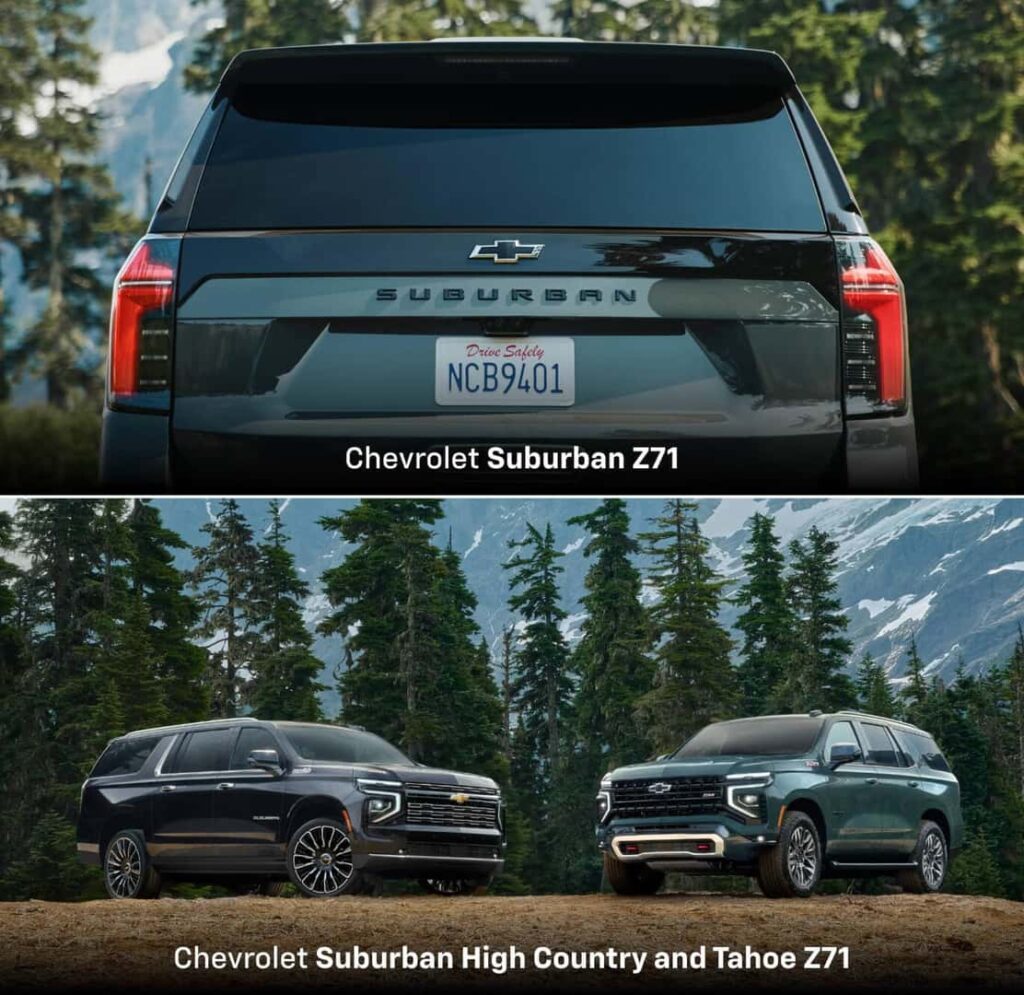
Bottom line: tahoe vs suburban isn't about a single winner but about what fits your life. If you regularly transport a sizeable crew and gear, the Suburban's space plus comfort is compelling. If you want easier parking, a slightly nimbler feel, and strong towing, the Tahoe remains a capable choice. Neither model trades practicality for hype; both deliver predictable, durable performance with a strong dealer network and solid depreciation. Your decision comes down to daily usability and long-term value.


