
The 2026 VW ID. Buzz is a practical electric minivan with a clear focus on the powertrain. This review centers on the electric motor setup and its single-speed transmission, while noting generation differences, recalls, maintenance needs, and ownership costs to help buyers gauge value.
Model-year differences for the Buzz are incremental rather than a redesign. VW has sometimes refined software, charging calibration, and range estimates in later trims, while interior tech and material choices vary by market. For buyers, these changes can affect value and service life, so verify the exact configuration and update history for the specific car.
Powertrain setup varies by trim and market; the Buzz uses one or two electric motors paired with a single-speed transmission on a MEB platform. VW claims smooth, quiet operation and strong regenerative braking, while independent tests note consistent power delivery at city and highway speeds. Real-world range, charging behavior, and AWD behavior depend on climate and load, so verify in your region.
Powertrain Focus
Reliability hinges on the battery and inverter cooling system. VW warranties and software updates aim to prevent degradation and thermal throttling, but owner feedback highlights variability in charging performance and range under extreme heat or cold. For inspection, check cooling lines, inverter housing, and any software recall notices before purchase.
Maintenance & Inspections
Recalls and safety updates are variable by year and market. VW has issued notices related to software, braking systems, and charging components on some Buzz models. To avoid surprises, verify VIN-specific recall history with VW, the NHTSA, or the relevant safety agency, and check that all repair work is documented before purchase.
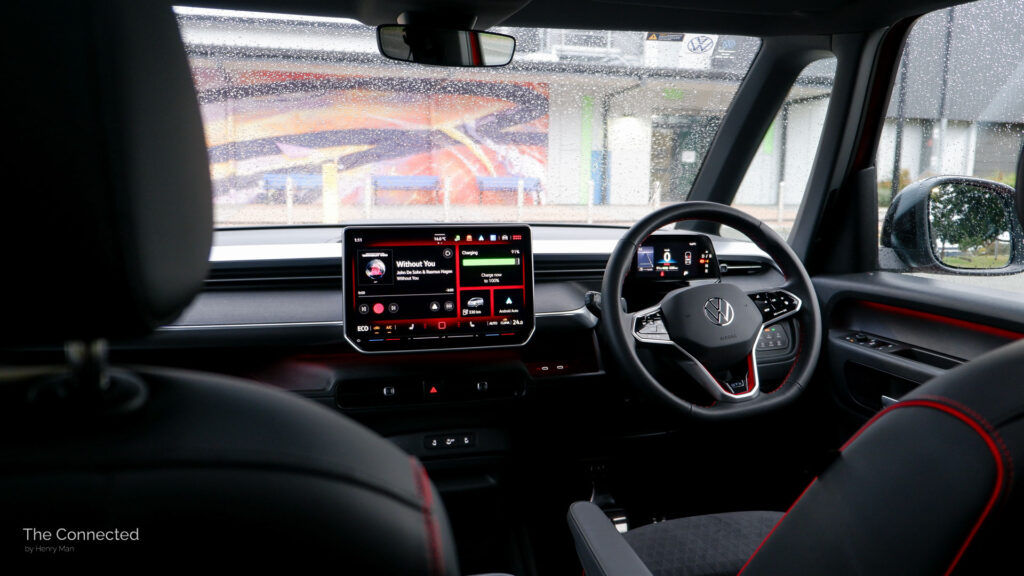
Ownership costs for the Buzz hinge on electricity prices, storage capacity, and maintenance frequency. EVs in general tend to have lower routine maintenance but higher upfront costs and potentially expensive battery-related repairs beyond warranty. Volkswagen's warranty and battery coverage influence long-term costs; for accurate estimates, consult your region's warranty terms and factor in local charging rates.
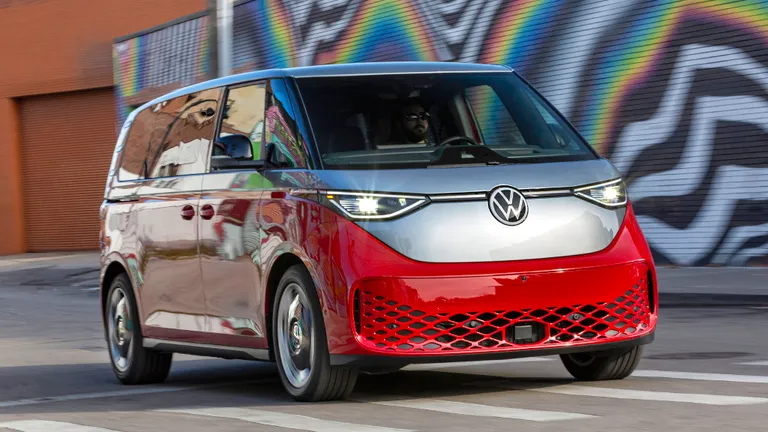
Safety and depreciation: The Buzz's boxy, roomy shape offers good visibility and standard active safety gear, though official crash ratings should be consulted for your region. Depreciation for electric vans is evolving and depends on demand for green family vehicles. Expect slower resale in low-utility markets but potential retention in fleets.
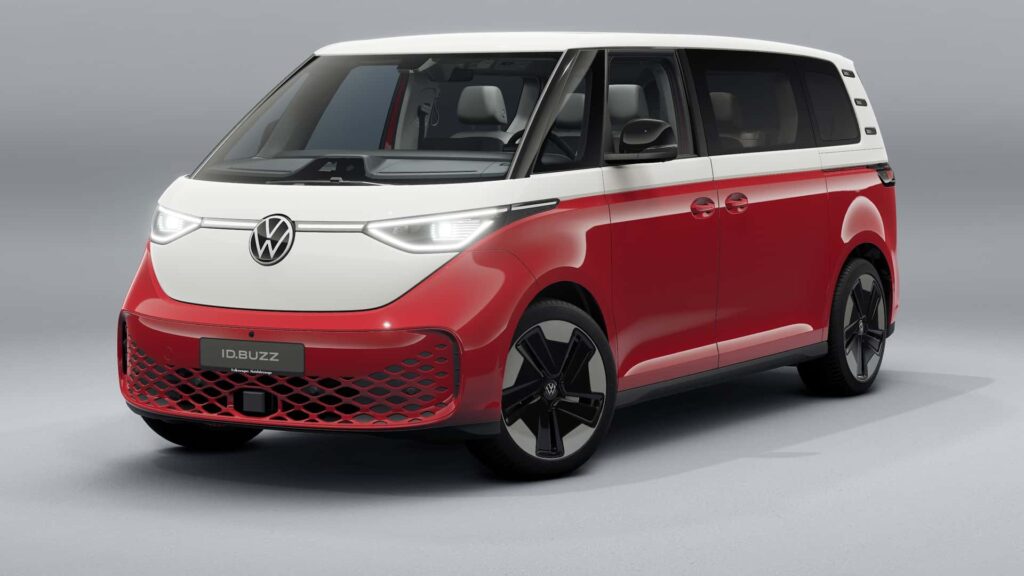
Bottom line: The 2026 Buzz delivers a distinct electric powertrain experience, but model-year differences matter for value. Prospective buyers should check battery cooling, software history, recall status, and real-world range in their climate. Build a cost picture that includes charging, insurance, and maintenance, and verify details with a VW dealer or authoritative safety and reliability sources.


