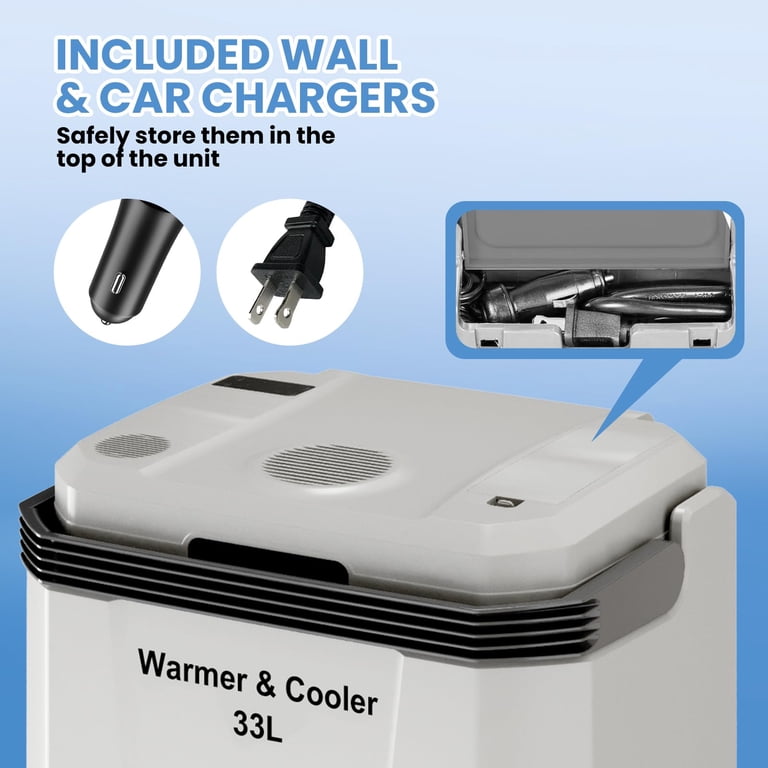
Electric coolers for vehicles are more than portable fridges; they protect perishables, medicines, and electronics while on the road. This safety feature guide outlines what to look for, how it works, and practical choices for reliability and peace of mind.
Quick Answer: Prioritize insulation, a reliable thermostat, and strong power management. Dual-zone options help with both chilling and moderate freezing, while automotive-grade wiring and overcurrent protection guard the electrical system. A low standby draw reduces battery drain when the vehicle is off, and built-in alarms or fault indicators improve reliability on longer trips.

What It Is and Why It Matters
Electric coolers for vehicles are compact refrigerators designed to run off a vehicle's 12-volt system or auxiliary power. They maintain stable temperatures through insulated walls and a thermostat-controlled compressor or thermoelectric module. Safety matters include short-circuit protection, low-voltage cut-off to avoid draining the battery, and reliable contact seals to prevent warm air ingress. Temperature alarms and automatic defrost help prevent food spoilage and equipment damage.
Who it suits: electric coolers for vehicles appeal to families who shop weekly and need cold storage in the car. They support travelers on picnics, road trips, or long-haul commutes with perishables. They're also helpful for mobile workers who store medicines, insulin, or temperature-sensitive samples. For occasional use, choose a compact model; for frequent trips, a dual-zone unit offers flexibility.
What Stands Out
Strengths include quiet operation, compact footprints, and the ability to run on 12- or 24-volt systems found in many vehicles. Insulation quality helps hold temperature with the engine off, while built-in safeguards guard the electrical system from overload. Many models offer multiple power modes, USB charging ports, and durable latches. The ability to switch from cooling to refrigeration avoids food waste on long trips.
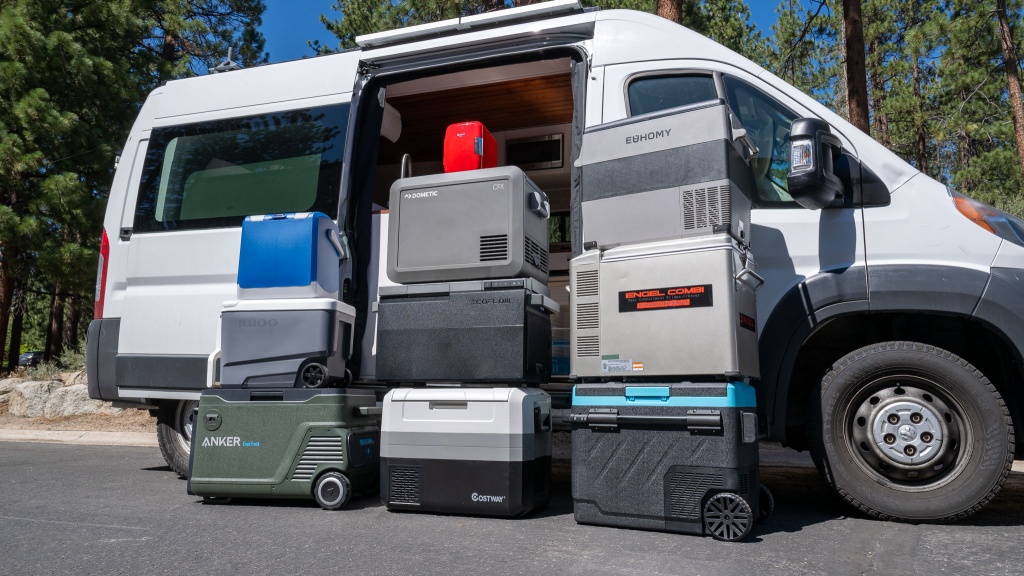
Trade-Offs include higher upfront cost versus simpler thermoelectric units, and the energy draw can affect the vehicle's electrical system if the alternator and battery are not sized to support it. A compressor-based cooler cools faster but adds weight and complexity; thermoelectric models are lighter but less effective in hot climates. In winter, you may need defrost cycles or heat-assisted modes to prevent moisture buildup.
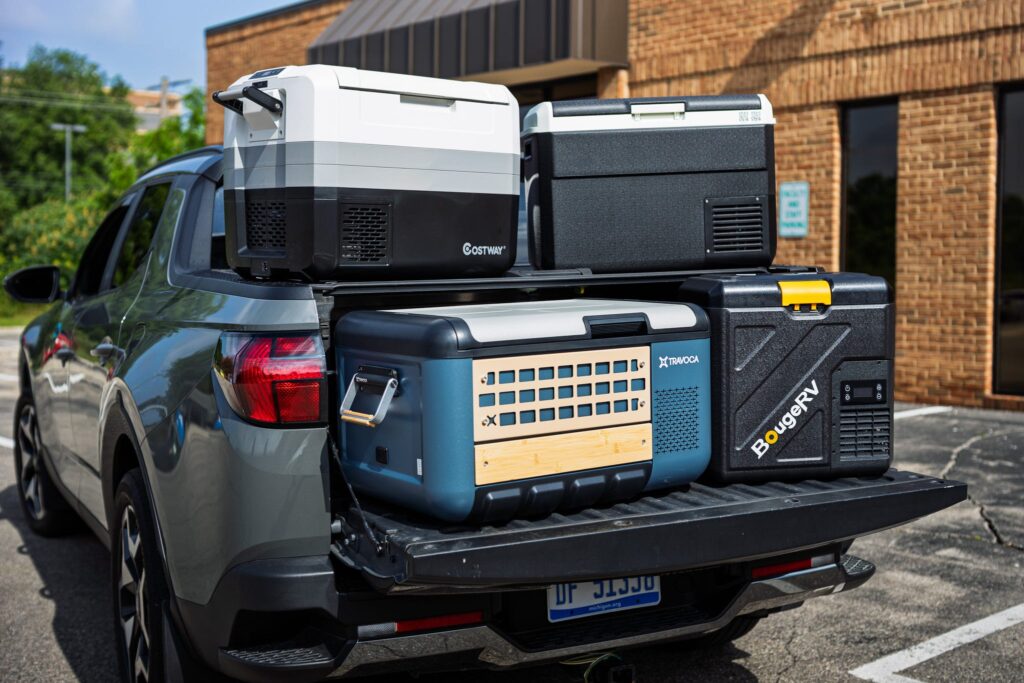
Final Take: Electric coolers for vehicles deliver practical advantages for on-the-road storage, but they require careful sizing and honest cost assessments. When selecting, weigh insulation quality, cooling method, electrical burden, and the vehicle's battery capacity. Compare compressor versus thermoelectric technologies for climate, noise, and efficiency. For most users, choosing a model with a clear safety shutdown, robust seals, and reliable wiring delivers the best balance of comfort and dependability.