
Checking the engine oil is a simple but essential habit that protects reliability. Regular checks reveal oil level, color, and leaks, helping you catch problems before they escalate and plan maintenance with confidence.
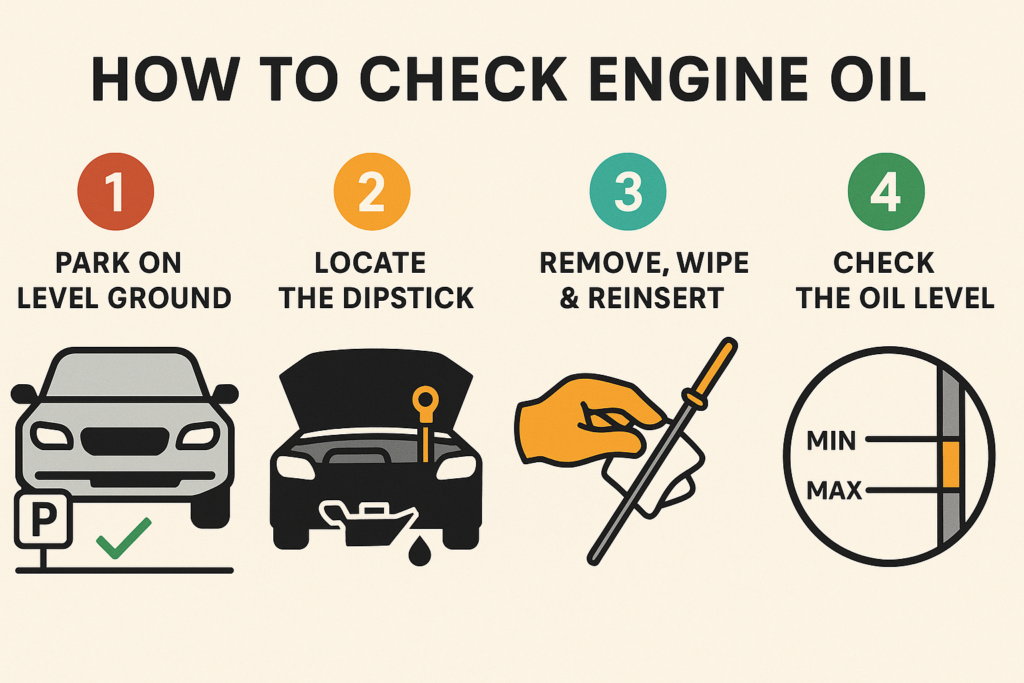
Across most cars, checking the engine oil is the first step toward predictable reliability. The idea is simple: you monitor level, refill if needed, and note color or odor changes that signal degradation. This guide compares oil types, maintenance intervals, and practical checks, so you can assess risk and plan service. Your choices affect engine wear and long-term costs.
The Important Details
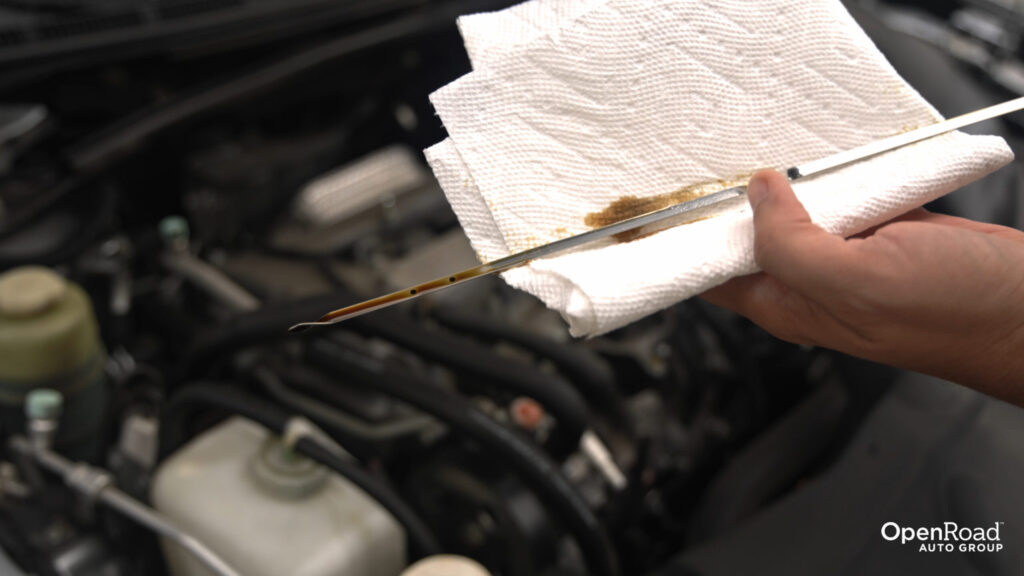
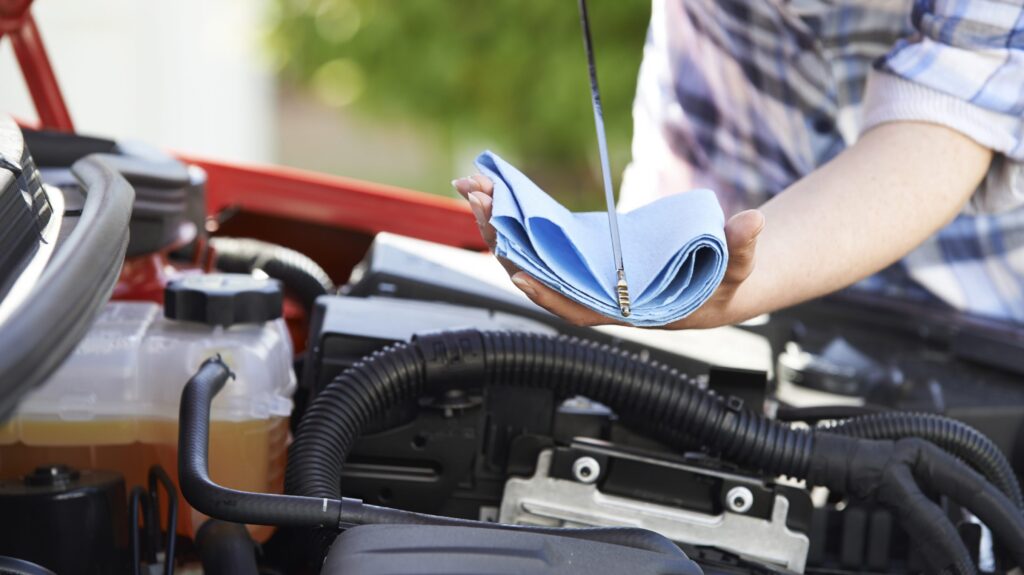
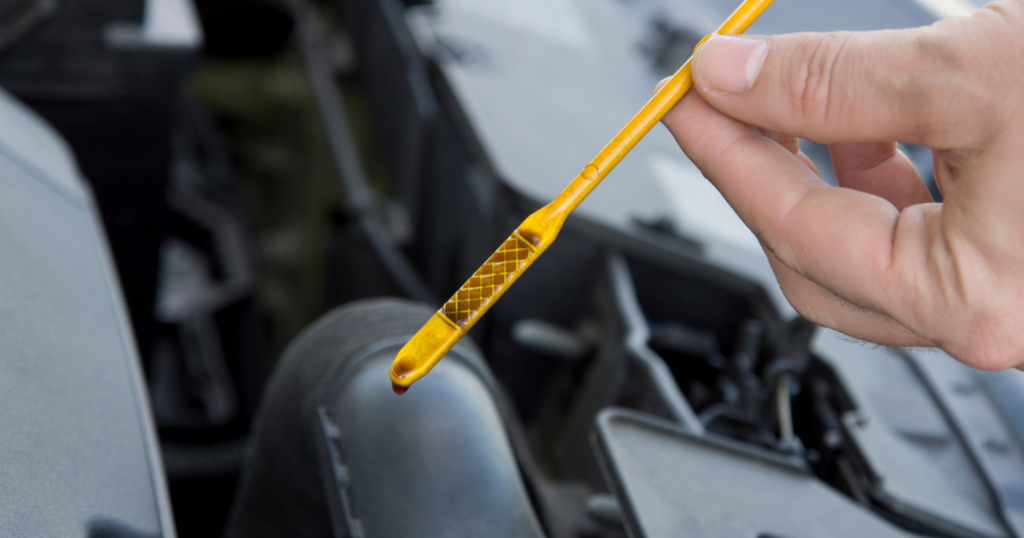
When you check, start with a cool engine and a level surface. Remove the dipstick, wipe it clean, reinsert fully, and pull it again to read the level. Most modern engines show a range between a lower and upper mark; aim for a point within that mid zone. Note the oil's color and viscosity; a varnished or gritty look signals contamination or wear that may require service.
Oil type matters for reliability, and not all cars share the same recipe. Conventional oil is cheap and easy to top up, but synthetic blends or full synthetics protect engines under higher stress or extreme temps. For engines with turbocharging or long oil-change intervals, synthetic oil and appropriate viscosity help resist breakdown. If you own a high-mileage vehicle, consider an oil designed for wear protection, but be mindful of cost and filter compatibility.
Everyday Experience
Everyday experience with oil checks varies by vehicle and climate. In many cars, an amber light or message nudges you when service is due, but a manual check adds reliability between services. Regular checks after long trips or hot weather helps spot leaks or consumption spikes. Keep a notebook of readings to notice gradual changes and act before performance drops.
Regular oil checks won't guarantee a showroom-perfect engine, but they translate into fewer unexpected failures and lower downtime. Your oil choice and change cadence influence wear protection, fuel efficiency, and long-term costs, while climate and driving load alter needs. With a practical, consistent approach, you gain reliability without chasing every new oil trend. In the end, smart oil stewardship is a cornerstone of dependable ownership.


