When weighing Mazda's compact crossovers for towing and hauling, the CX-5 and CX-50 reveal different strengths. The CX-50 emphasizes versatility and cargo utility, while the CX-5 remains a refined all-rounder with a turbo option for extra torque. This guide compares how each handles trailers, payload, and real-world usability.
Both models carry Mazda's reputation for engaged driving dynamics and efficient operation, but their design goals diverge. The CX-50 uses a wider stance, available all-wheel-drive tuning for light off-pavement work, and slightly more ground clearance, which helps when towing or hauling modest loads. The CX-5, though older, emphasizes highway refinement and a turbo engine that adds usable torque without compromising daily comfort.
From a practical perspective, the CX-50 tends to feel more confident behind a trailer thanks to its stiffer chassis and sturdier underpinnings, while the CX-5 remains lighter and easier to maneuver in tight spaces. For daily hauling tasks—bike racks, small campers, or utility trailers—the CX-5 with the turbo engine can be competitive, but the CX-50 often offers more cargo space and better outward visibility when connected to a trailer.
Quick Take
Quick Take: If your priority is comfortable daily driving with occasional light towing, the CX-5 remains a compelling choice, especially with the turbo option. If you need more cargo flexibility, steadier performance behind a trailer, and modern tech, the CX-50 is the more capable long-term pick. Neither is a heavy-haul specialist, but both hold their own within the compact crossover class.
How It Works in Practice
Daily Driving or Use: For everyday tasks, both crossovers deliver Mazda's quiet cabin, predictable handling, and smooth power delivery. With a tow hitch engaged, engine and transmission respond with measured throttle, and gear selection remains smooth across speeds. When steering with weight on the hitch, mindful braking and gradual acceleration help keep weight transfer predictable, while the CX-50's available cargo flexibility helps with gear beyond a small trailer.
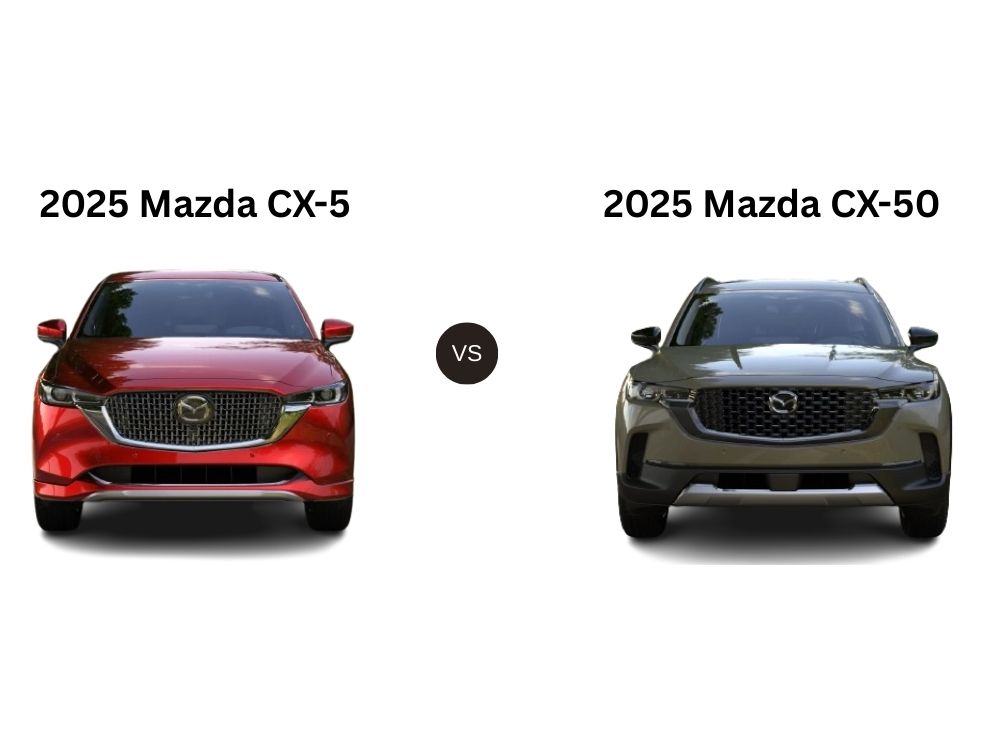
Comfort and Convenience: The CX-50 generally offers more cargo space, easier access to back seats, and larger doors, which makes loading gear simpler on longer trips. The CX-5 cabin remains compact yet well-insulated from wind and road noise, with supportive seats for long drives. Both provide Mazda's cockpit-focused ergonomics, but the CX-50 won’t disappoint when hauling bulky items thanks to its wider opening and flexible storage.
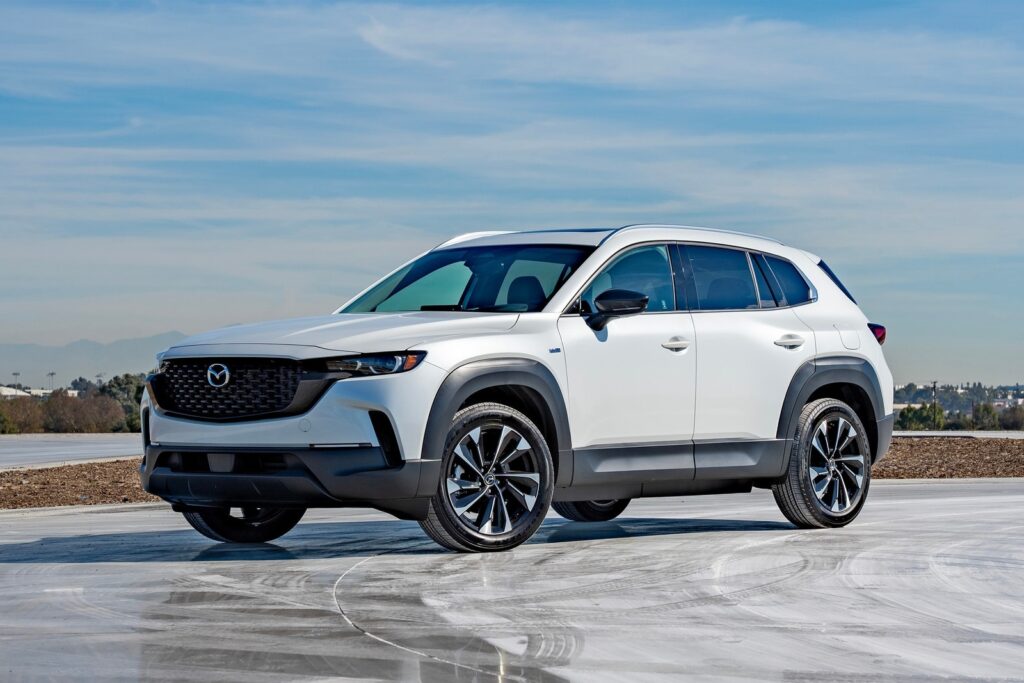
Specifications, Features or Capabilities: Tow and haul performance hinge on engine choice and equipment. Turbo variants bring more torque and are paired with trailers and hitch options that support light to moderate loads. Both SUVs offer adaptive all-wheel drive, stable ride quality, and trailer-sway control, but the CX-50 generally yields greater cargo capacity and a more robust setup for frequent towing. In practice, choose the CX-5 for daily efficiency and the CX-50 for heavier hauling tasks.
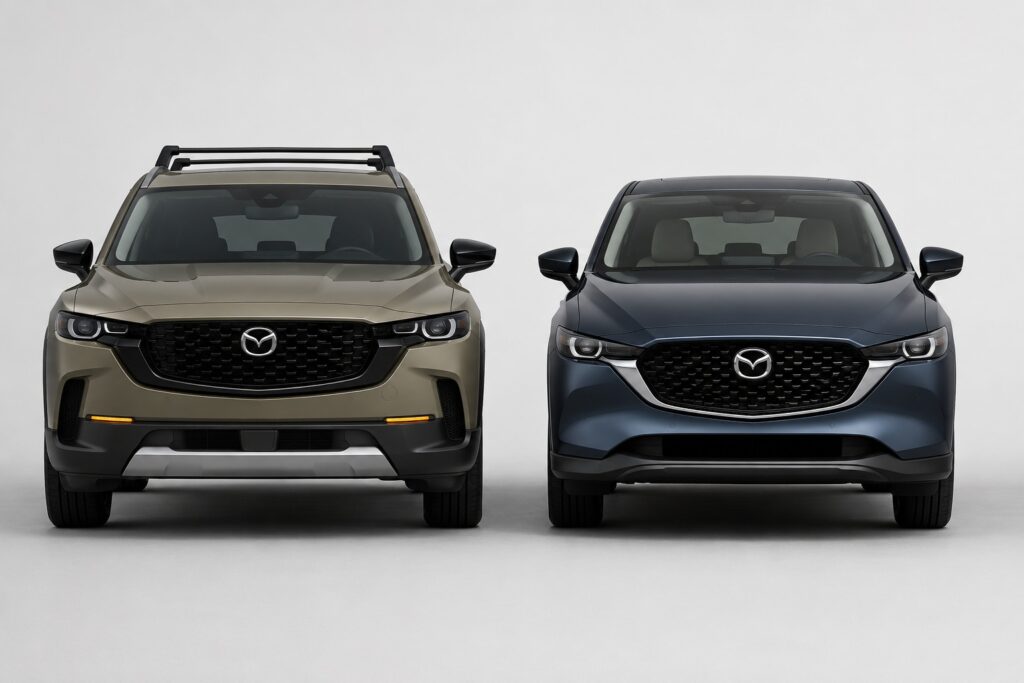
Conclusion: In real-world towing and hauling, the CX-5 excels at everyday efficiency with enough turbo-backed torque for modest trailers, while the CX-50 delivers extra cargo room, tougher towing capability, and more modern tech. Your choice should hinge on how often you tow, how much gear you carry, and how much you value cabin space and visibility. Neither model replaces a true workhorse, but both serve their class well.