
seven seat suvs balance family practicality with everyday usability, offering flexible cargo space and comfortable seating without stepping up to a premium full-size SUV. This guide explains value, ownership costs, and real-world trade-offs to help you shop confidently.
Family practicality is the main draw, with seven seat suvs offering flexible seating and cargo configurations that adapt to daily life. The value comes from keeping people and gear together without stepping up to a full-size van. Real-world ownership highlights predictable maintenance costs, reasonable resale, and accessible technology on mainstream brands. The latest designs improve second-row accessibility and third-row comfort, so parents aren’t forced into uncomfortable compromises during school runs, road trips, or weekend gear-hauls. The layout options also help organize life.
Size and layout influence routines; smaller three-row models are easier to park, while larger ones swallow cargo with ease on weekend trips. Engine choices span from efficient turbo fours to smoother six-cylinders, and AWD is typically available for weather or rough roads. The value rests in how depreciation, fuel, insurance, and maintenance align with your family's habits, and whether the vehicle can double as a family-hauler and a weekend adventure vehicle. Compared with crossovers, they can be bulkier, but seating is the trade-off.
Core Facts
Core facts for seven seat suvs include seating versatility, cargo capacity, and a balanced ride quality. Most mainstream models offer modern safety tech and infotainment, with thoughtful third-row usability that improves family life. Powertrains favor efficiency with acceptable acceleration, and ownership costs track with non-luxury brands, helping keep total cost of ownership predictable. In many trims a second-row captain's chair or slide-and-fold configurations maximize either passenger comfort or cargo flexibility. This matters when you compare cargo depth behind the third row and the practicality of daily tasks.
Strengths in Real-World Use
Practical Strength highlights interior practicality and daily usability. Seventh seats are most valuable when they fold flat or slide to maximize cargo area, making family gear and groceries easier to manage. Many seven seat SUVs also offer easy third-row access via wide doors and low step-in height, reducing fatigue on school drop-offs. Some models include adjustable second-row configurations, multiple USB-C ports, and smart storage bins that make loading and organizing kid gear straightforward, even on a hectic Monday.
Pro tip: test-sit the third row with an adult before buying. Internal noise levels and seat padding also affect long trips, along with seat heating or ventilation in higher trims.
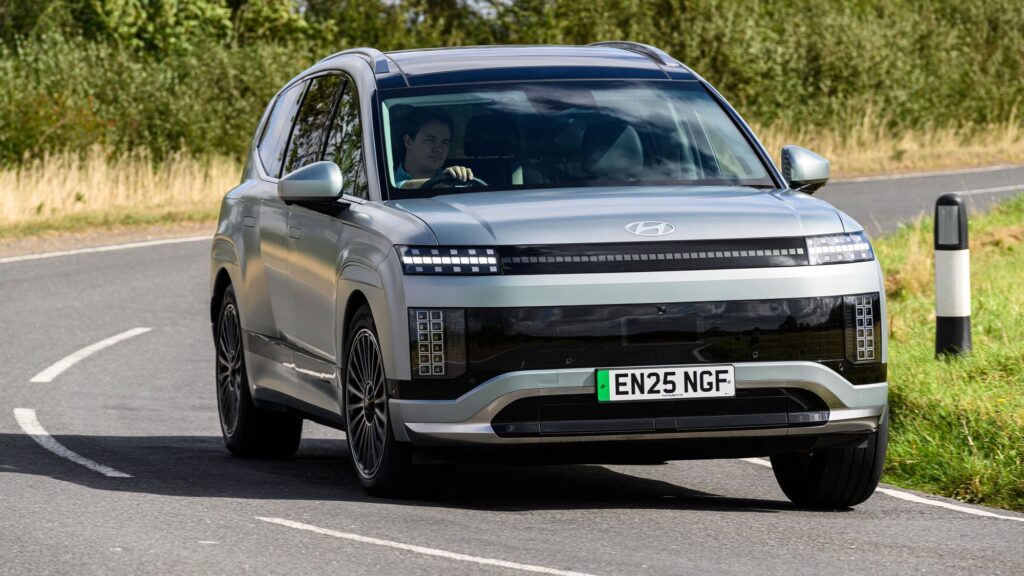
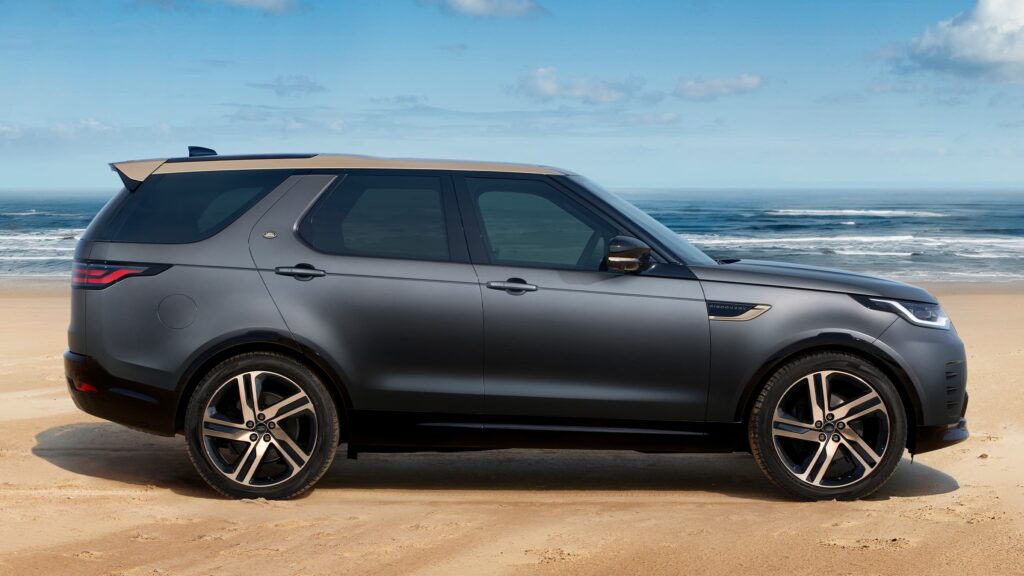
On the performance side, engines are tuned to keep pace with growing cargo and passengers without punishing fuel economy. Many seven seat SUVs offer all-wheel drive with selectable modes for snow or hills, and some trim levels provide more torque for towing and highway merging. Efficiency leaders in this class tend to lean toward turbocharged four-cylinders paired with smooth transmissions.
In some trims, hybrid or plug-in hybrid options add another layer of efficiency, though at a premium price and with extra battery weight. Pro tip: consider total ownership costs, not just sticker price. Weight distribution and the wheelbase influence handling, while interior wiring and climate-control systems can drive maintenance costs higher than expected.
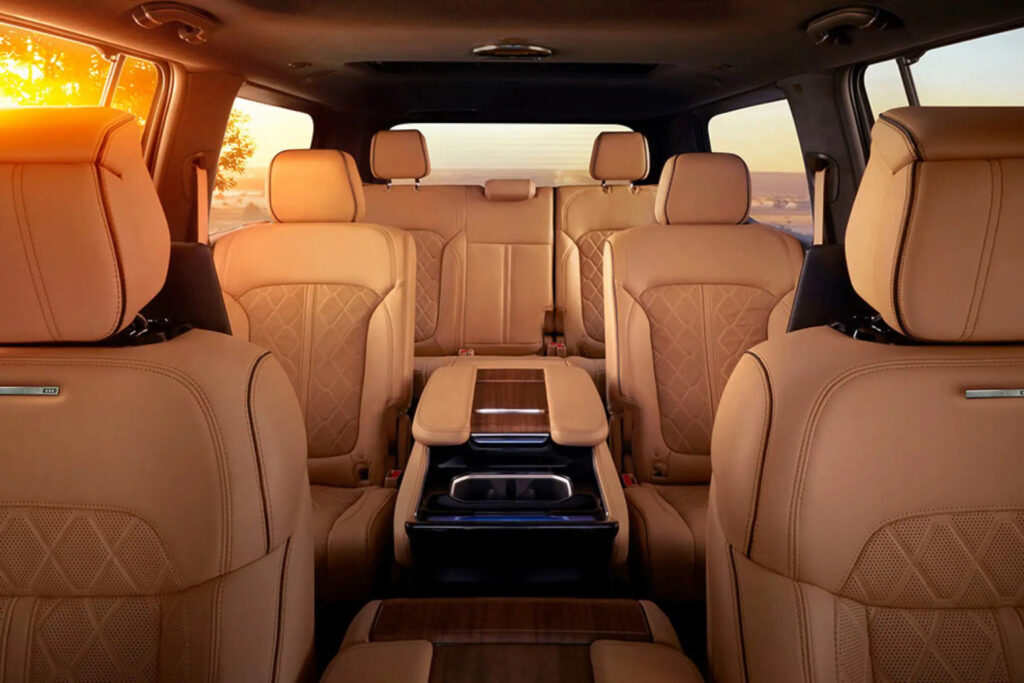
Closest competitors include Hyundai Palisade, Kia Telluride, Toyota Grand Highlander, Honda Pilot and VW Atlas, each offering different strengths in space, refinement, and value. The main choice hinges on which balance of cargo, seating comfort, and ownership costs best fits your family. FAQs you may ask include how much cargo fits behind the third row, whether a hybrid variant is worth it, and what typical resale looks like over five years.
Final Take: seven seat suvs provide real utility with trade-offs in size, cost, and ride refinement. In practice, bring a measuring tape for cargo, test-turn in your garage, and compare to your long-term budget.


