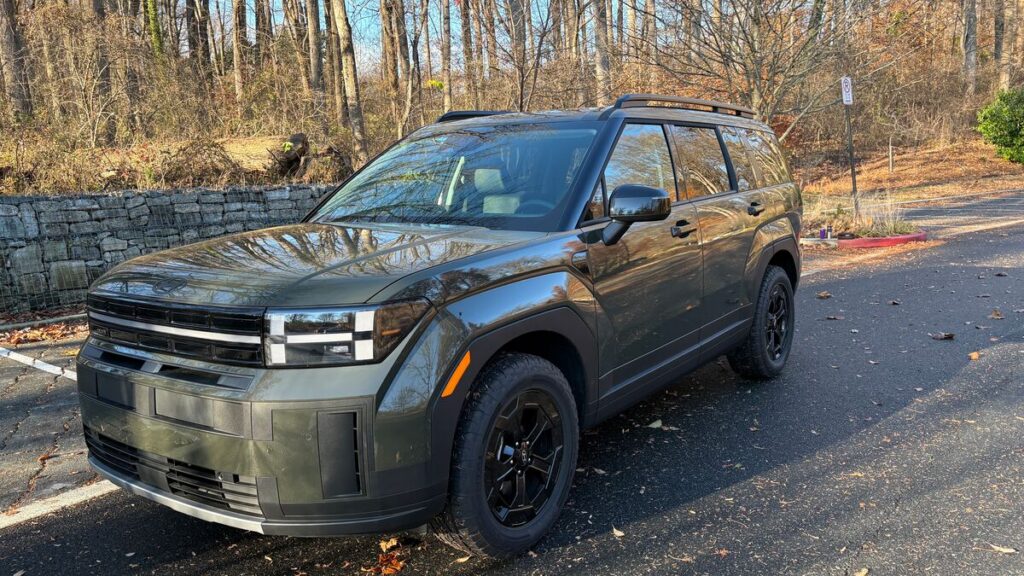
santa fe 2026 marks Hyundai's ongoing commitment to safety in a practical midsize SUV. This safety feature guide compares trims and rivals, clarifying how driver aids, passive protections, and intelligent features work in daily driving and family trips.
Why This Topic Matters
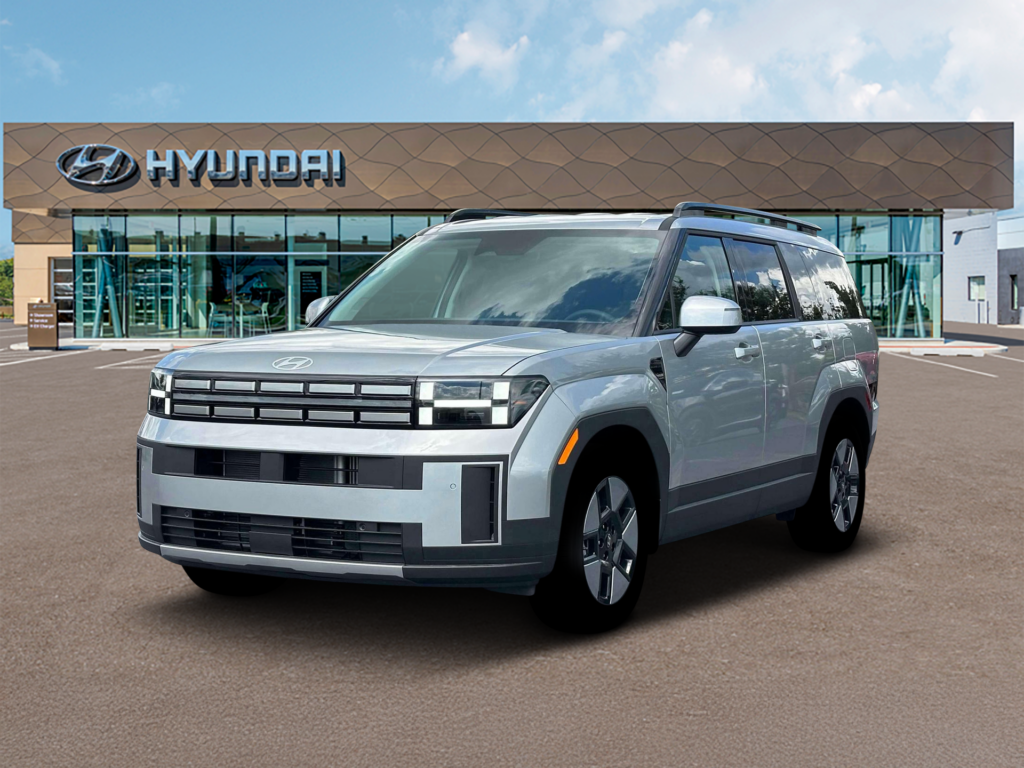
Safety relevance grows when buying a family SUV, and the Santa Fe 2026 positions itself as a practical balance of protection, usability and cost. In an era of expanding driver assistance technology, buyers benefit from knowing what comes standard and what requires extra. A clear safety feature guide helps shoppers compare trims, anticipate real world usefulness, and plan maintenance for sensor based systems that rely on software updates and calibration.
Consider how well the tech fits daily life: is it easy to activate, does it avoid false alarms, and can it adapt to urban or rural driving? Finally, expect more features to mature through over the air updates, which means the Santa Fe 2026 could evolve after purchase.
Main Features and Characteristics
At the base level, the Santa Fe 2026 offers a robust safety suite designed to protect occupants and alert the driver before risk escalates. Expect forward collision avoidance with pedestrian detection that can apply automatic braking in some situations. Lane keeping assist helps steer the vehicle within its lane, and a driver attention warning prompts a break when necessary. Blind spot monitoring with rear cross traffic alert is typically included, helping when changing lanes or backing out.
Higher trims add adaptive cruise control with stop and go, a more comprehensive 360 degree camera system, and enhanced sensing that improves warning timing in complex traffic. Hyundai emphasizes occupant protection with a strong air bag network and a crash optimized body.
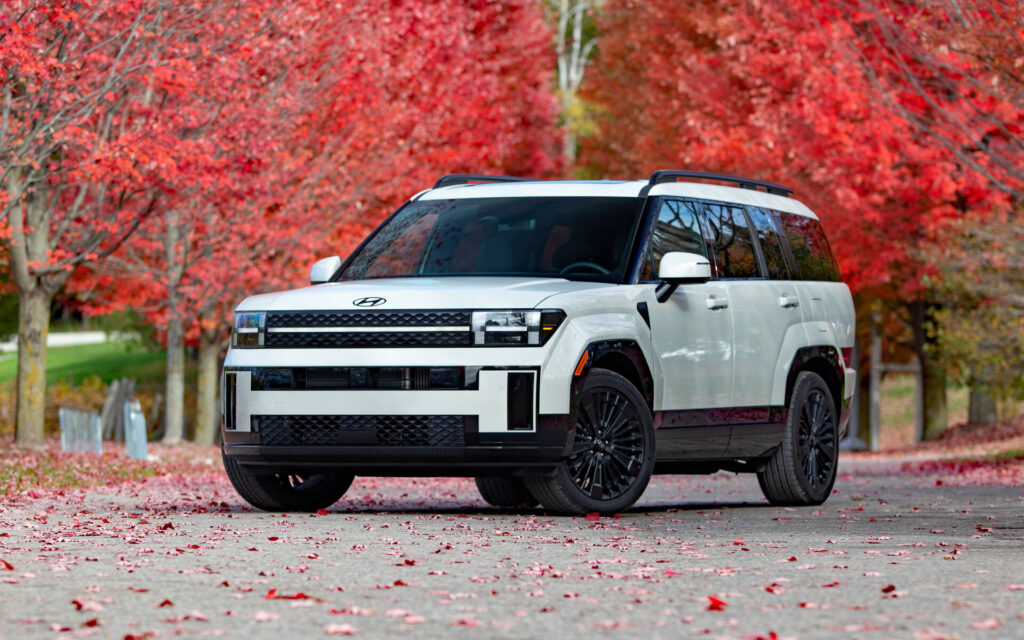
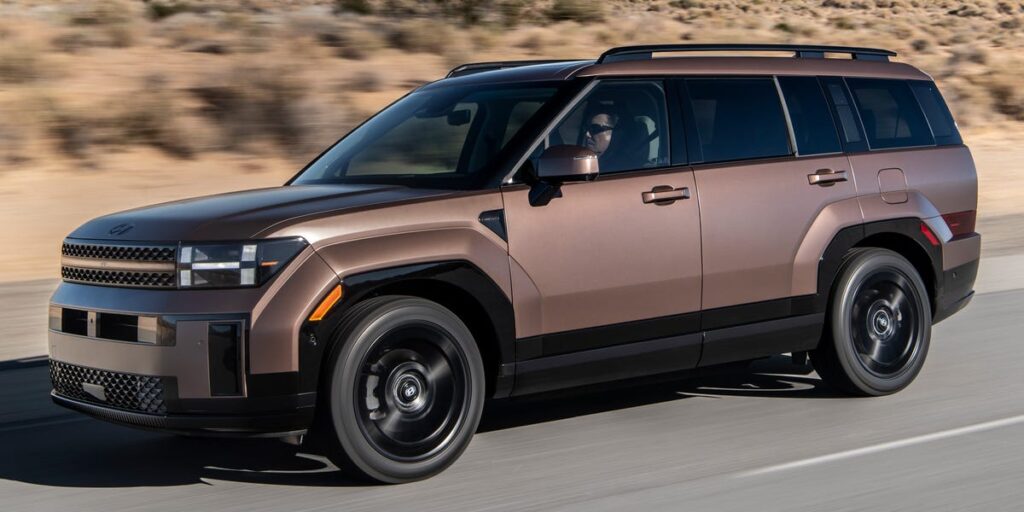
Configuration, or trim level, largely changes the breadth and depth of safety assist features. The entry model emphasizes core protections like auto braking, lane keeping, and a driver monitoring system, but may omit more advanced helpers such as full speed adaptive cruise and high resolution 360 degree vision. Mid range trims commonly add a more capable adaptive cruise controller, enhanced cross traffic detection, and a wider suite of active safety warnings.
The top line trims usually bundle the most sophisticated sensors, a higher resolution camera, and features such as Safe Exit Warning and a more proactive collision prevention system. Along with these, software updates often expand functionality over time, so a future upgrade could improve performance without hardware change. This flexibility appeals to buyers who want a safety first vehicle with a future ready mindset, but it also means the price gap between trims can be meaningful.