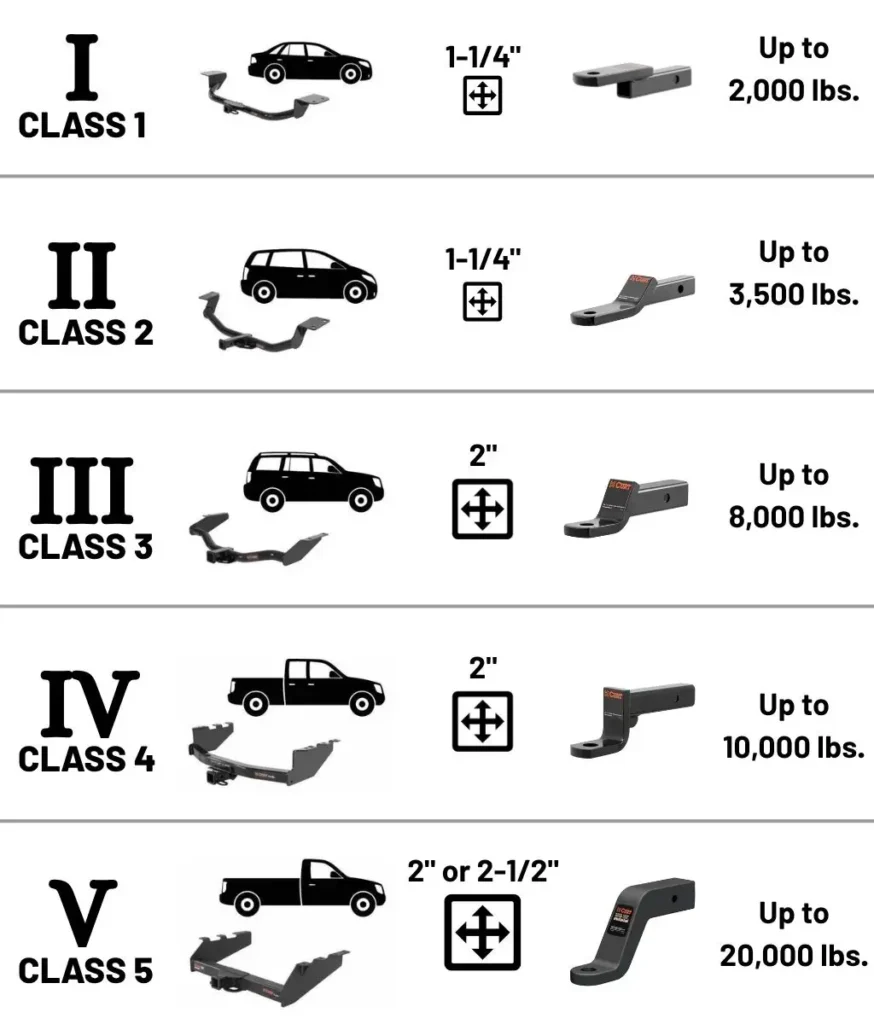
Trailer hitch classes define the size, weight rating, and mounting compatibility of your tow setup. Understanding them helps you match your vehicle to the right trailer and avoid overloading or underutilizing a hitch. This knowledge protects vehicle components and keeps towing predictable.
<h2>Quick Take</h2> trailer hitch classes provide a quick framework for choosing a hitch that matches your vehicle and trailer. They determine the receiver size and the plausible towing range, which in turn affects installation, safety margins, and maintenance needs. This quick take helps buyers avoid mismatches before committing to a configuration. The goal is predictable towing that suits everyday driving and occasional heavy use.
Daily Driving or Use
For daily driving, the choice hinges on whether you anticipate regular light-tow tasks or occasional heavier loads. Class I and II hitches are common on smaller cars and crossovers, offering lighter weight and minimal impact on ride and fuel economy. They limit trailer size and tongue weight, but installation and replacements tend to be simpler. If you expect larger trailers more often, a higher-capacity Class III or IV may be warranted. If you frequently switch trailers, check for swappable ball sizes and mounting options.
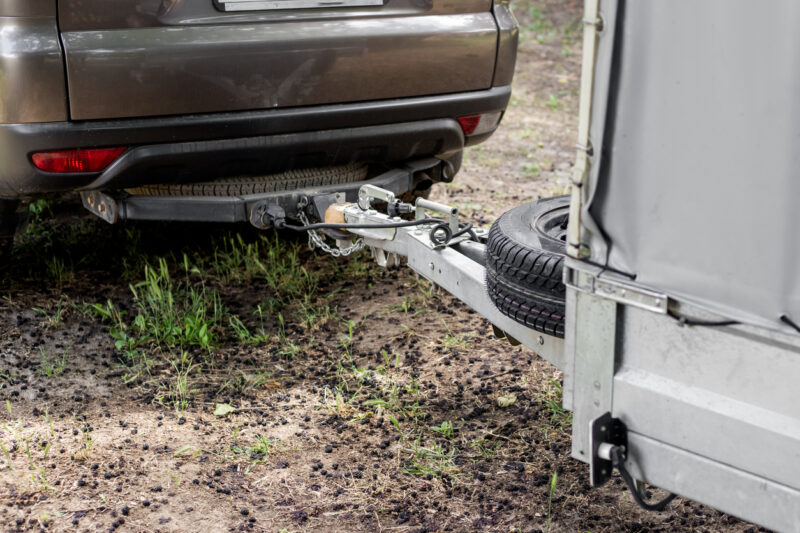
Beyond fit, you should consider stability and vehicle dynamics. Lightweight classes can be adequate for bikes and small utility trailers, but larger trailers demand a sturdier setup and proper weight distribution. When you approach or exceed the limits, factor in tongue load, braking needs, and how often you hitch and unhitch. The right choice aligns daily practicality with your occasional heavy-duty tasks. Also assess how a hitch interacts with your vehicle's suspension and steering at highway speed.
Comfort and Convenience
Ease of use matters as much as capability. A hitch that installs cleanly, with a reliable wiring harness and straightforward ball-mount changes, reduces daily friction. Higher-class receivers often improve stiffness and reduce rattling at highway speeds, but they can require more torque during installation or a professional fit. Weigh the convenience benefits against higher upfront cost. Consider the noise, vibration, and potential interference with exhaust or tow hooks when planning fitment.
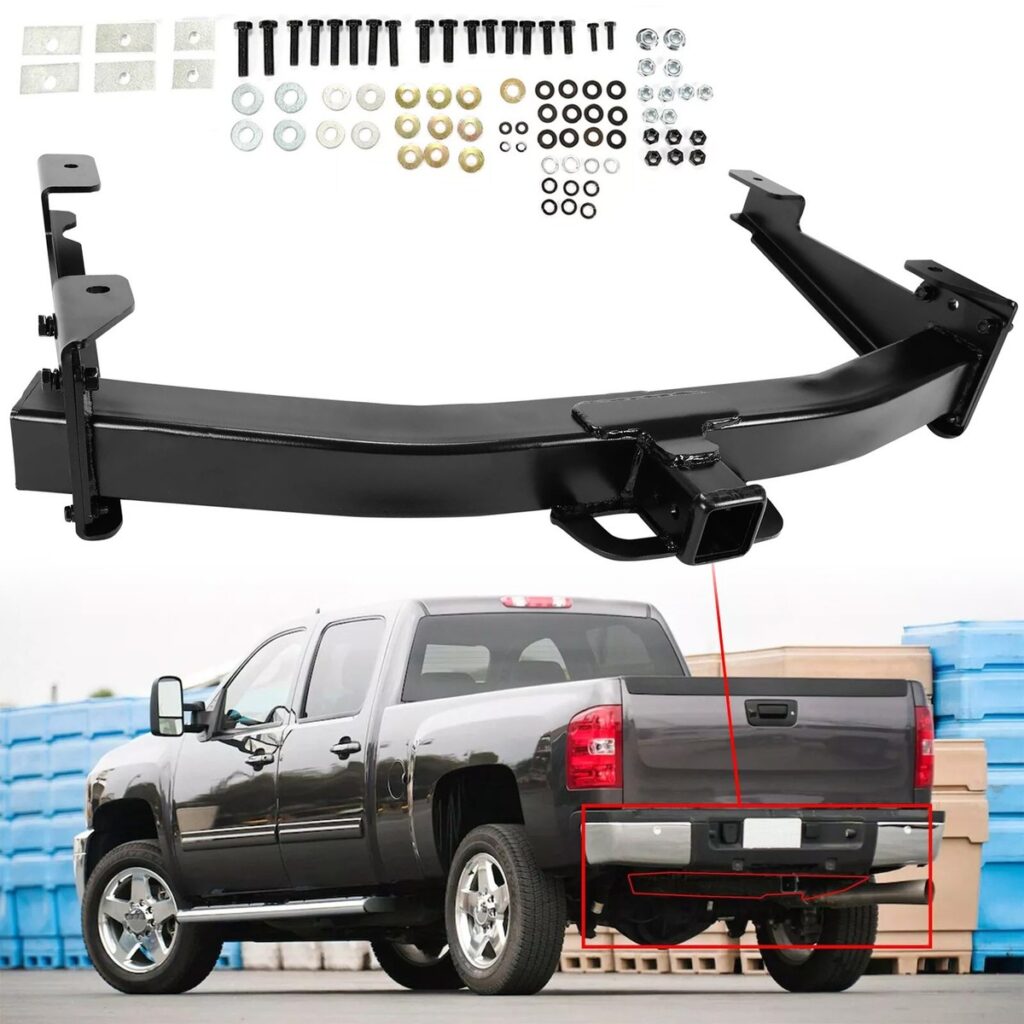
<h2>Specifications, Features or Capabilities</h2> Hitch classes come in standard receiver sizes and rating ranges that align with different trailer types. You’ll typically encounter small, lightweight receivers for Class I and II and larger, more rugged receivers for Class III to V. Tongue weight considerations scale with class, influencing stability and braking support. Modern setups often include wiring harnesses, options for weight-distribution systems, and compatibility with brake controllers for heavier towing tasks.
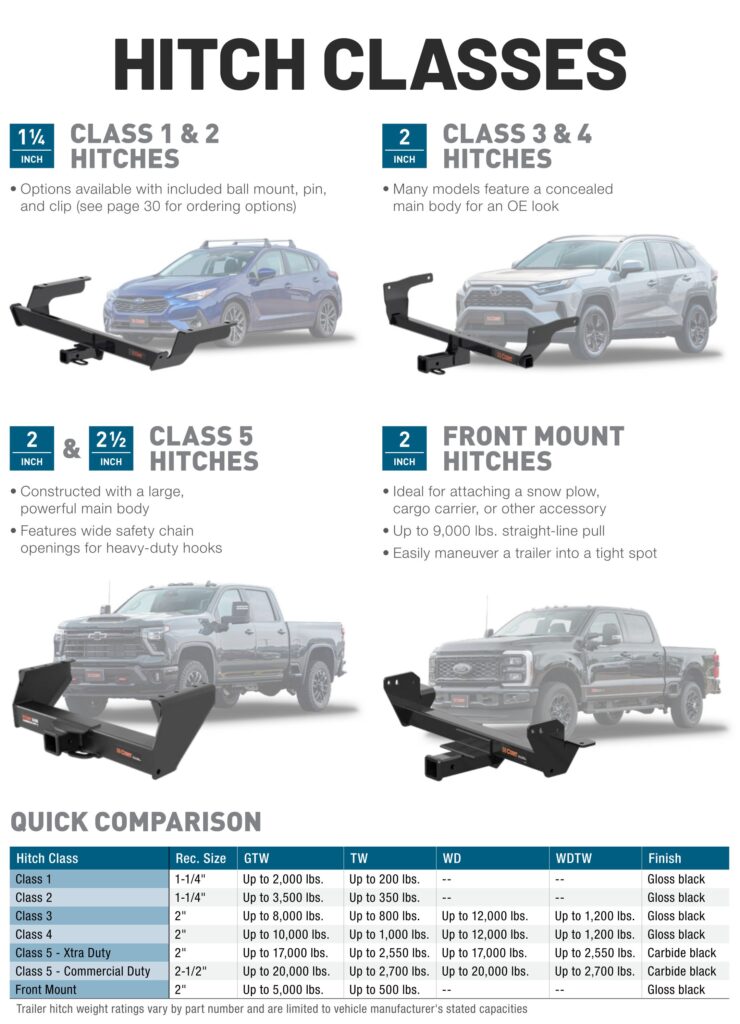
Choosing a class affects performance: higher classes offer better stability and longer-lasting installations, but add weight and cost. In practice, same-segment vehicles such as mid-size SUVs with a 2-inch receiver often meet a broad range of towing needs, while compact sedans with light-duty receivers fit lighter gear. Ownership considerations include install cost, dealer support, and how upgrades affect warranty or resale value. For quick guidance, confirm trailer compatibility with the owner's manual or hitch supplier and plan maintenance to keep the system dependable.