
Van hybrid vehicles offer a practical blend of passenger space, cargo versatility, and fuel-efficient operation. This guide compares leading options, outlines what to expect in daily use, and helps buyers balance space, comfort, and economy before making a purchase.
The Short Version
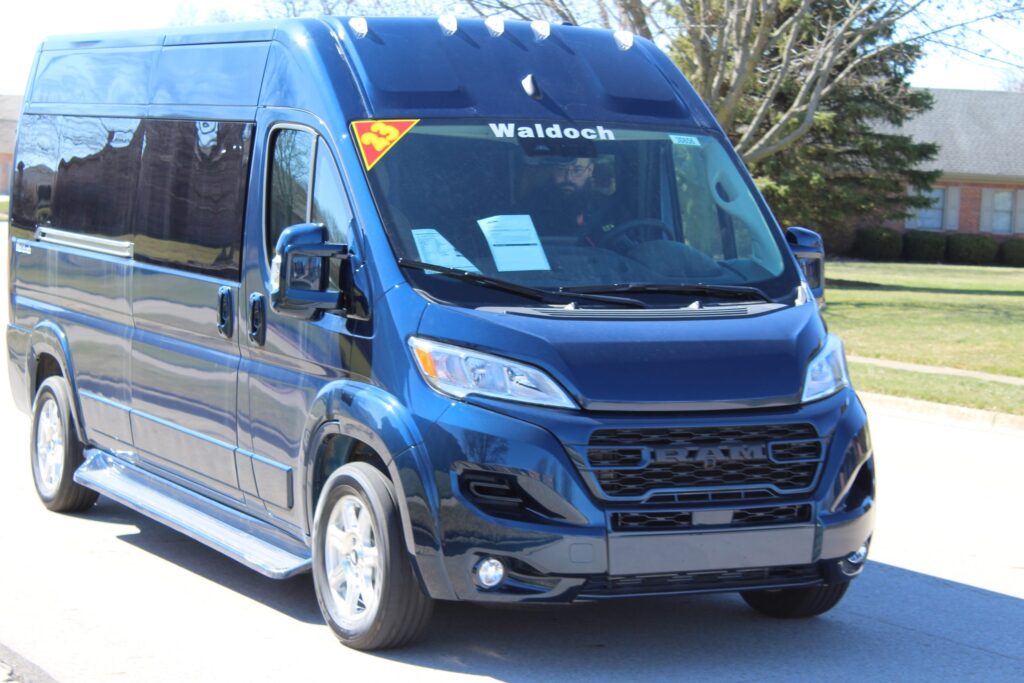
For most families, a hybrid minivan makes sense when daily drives mix kids, gear, and errands with a desire to cut fuel cost. The Toyota Sienna's hybrid setup emphasizes smooth operation and AWD availability, while the Chrysler Pacifica Hybrid adds plug-in capability for short commutes. Consider cabin practicality, seating flexibility, and maintenance needs alongside upfront pricing.
Key Specifications
Key specs to compare include drivetrain architecture, payload and seating, cargo space, and available drive configurations. Hybrids generally pair a gasoline engine with electric motors and a battery, with regenerative braking to recover energy. Plug-in hybrids offer the ability to drive on electric power for shorter trips, but charging access and time influence daily practicality and ownership costs. Interior versatility remains a core strength across models.
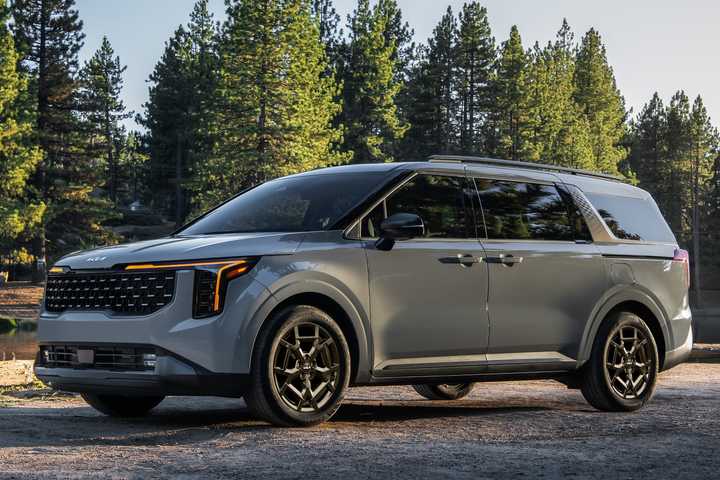
Real-World Use: In everyday driving, van hybrid vehicles typically deliver smooth, quiet operation, with easy maneuverability for a family van on city streets and highways. The hybrid system tends to feel more refined at low speeds, and regenerative braking adds a familiar feel to deceleration. Cargo flexibility and seating arrangements influence how often you’ll use full capacity, especially if you regularly transport bulky items.
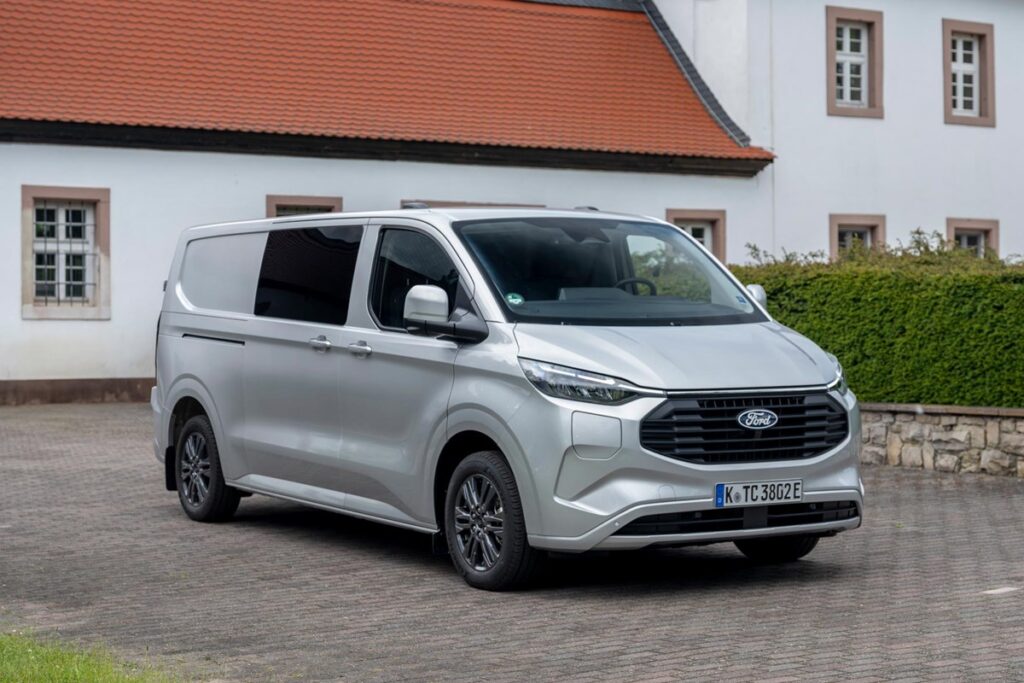
Comfort and Usability: Interior practicality is a defining strength. Sliding doors, flexible seating configurations, and ample headroom make family trips easier, while well-placed storage helps keep gear organized. Ride quality should be composed over potholes, and cabin noise levels influence long drives. Some models limit back-seat space when fully loaded.
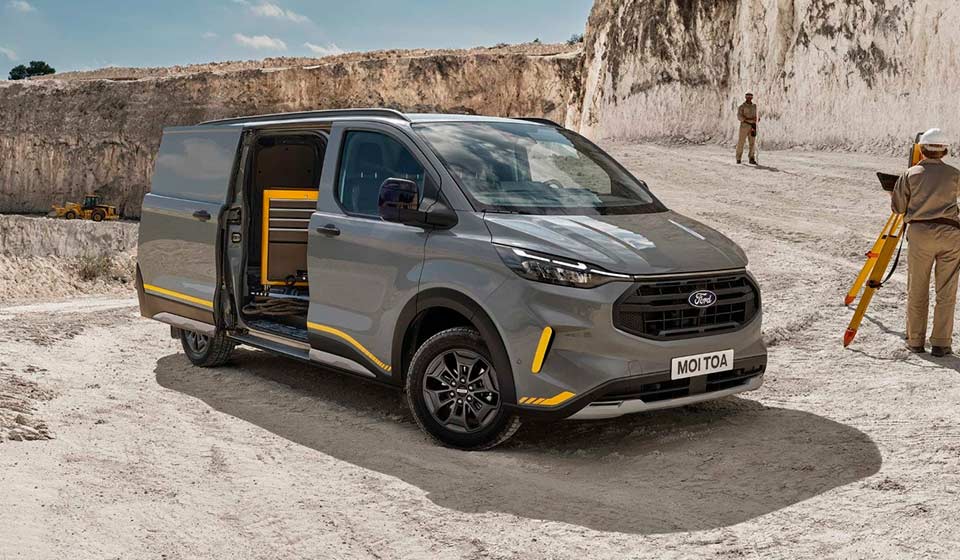
Performance and Efficiency: Hybrid vans typically emphasize steady acceleration and smooth power delivery rather than sportscar-like urgency. Efficiency gains come from the hybrid drivetrain and, in plug-in variants, a modest electric range for short trips. Real-world fuel use depends on city versus highway driving, payload, and climate control usage. All-wheel drive can affect efficiency slightly and adds weight.


