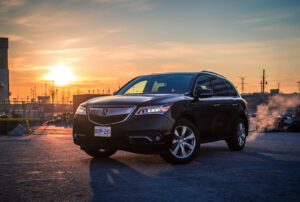
The 2026 Honda CR-V refines a familiar formula with a clear emphasis on rear-seat comfort, improved quietness, and efficiency. It keeps Honda's reputation for reliability while expanding practicality for families. The rear cabin remains the defining asset, shaping daily comfort, long trips, and how the SUV earns its value.
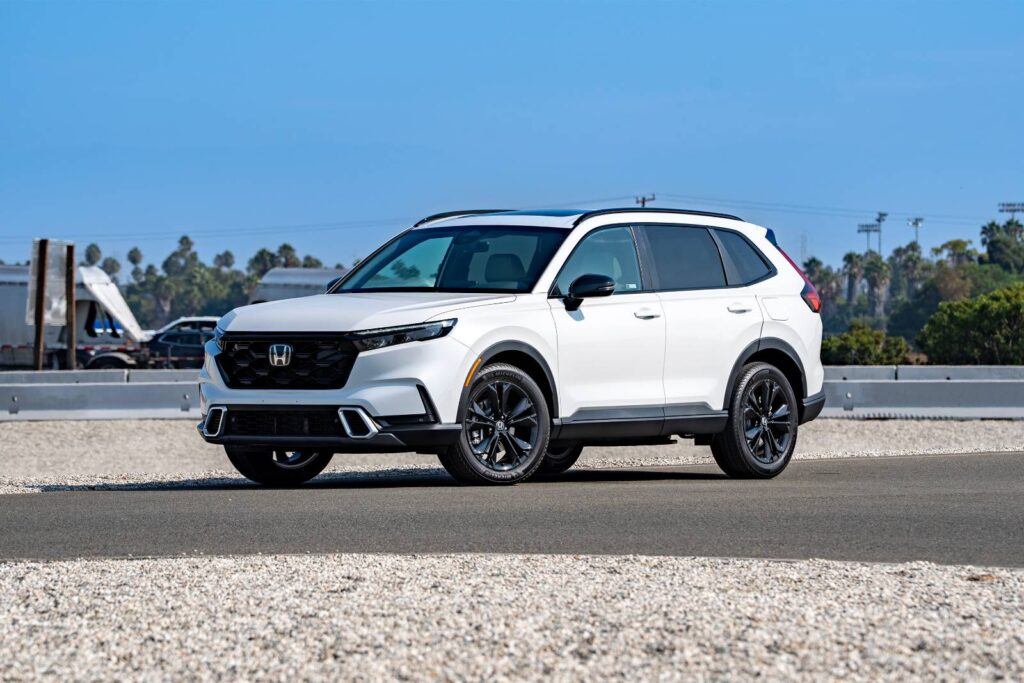
Even when the driver’s view and handling are solid, the CR-V’s value rests on what passengers experience in back. The rear cushions balance support and softness, and the legroom remains competitive for the class. Independent testing and owner notes often highlight rear-seat comfort as a key differentiator when choosing a family-friendly compact SUV.
Rear-seat centric design
Inside, the CR-V offers a relatively flat second-row floor, 60/40 split seating, and comfortable rear headroom in most trims. The cushions provide a forgiving surface for longer rides, and lower anchors for child seats are straightforward to access. Cargo versatility remains strong, though the overall rear-seat experience can vary slightly with trim and seat fabric.
Back-seat comfort is complemented by practical features such as rear climate vents in higher trims and smartphone charging options that help with longer trips. The seating fabrics and materials are durable where families live, and the blend of ergonomics and visibility from the rear row supports easy carpool duty. For extended journeys, the airy feel and generous glass area help maintain a relaxed atmosphere.
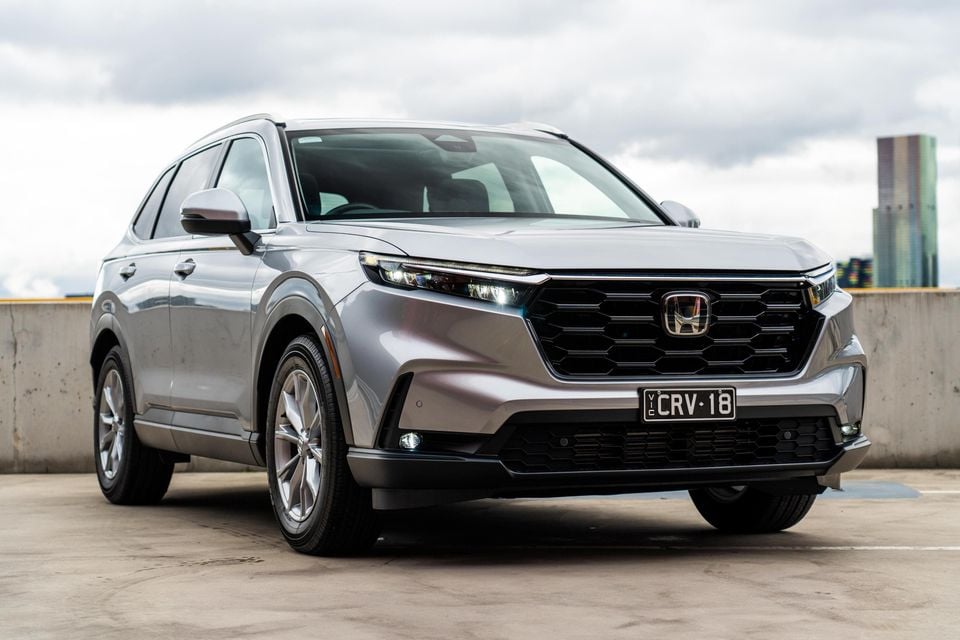
What’s new in 2026
On the road, the CR-V delivers a composed, quiet ride that benefits rear-seat harmony. The suspension smooths highway imperfections, and the steering offers predictable, relaxed effort. The available powertrains—while not sporty—aim for balanced response that keeps rear passengers comfortable during city commutes or longer trips. Wind and road noise levels are generally well controlled, which matters more when the back seat uses the space for conversations.

Inside, materials lean toward durable hard plastics with soft-touch surfaces in the right places. The center stack is straightforward, with a clear infotainment layout and physical controls for frequently used functions. The rear-seat climate controls are basic in base trims but adequate in higher trims, and USB ports at the rear keep devices charged on longer trips. Overall, the interior emphasizes function over flamboyance, with a clean, lived-in feel.
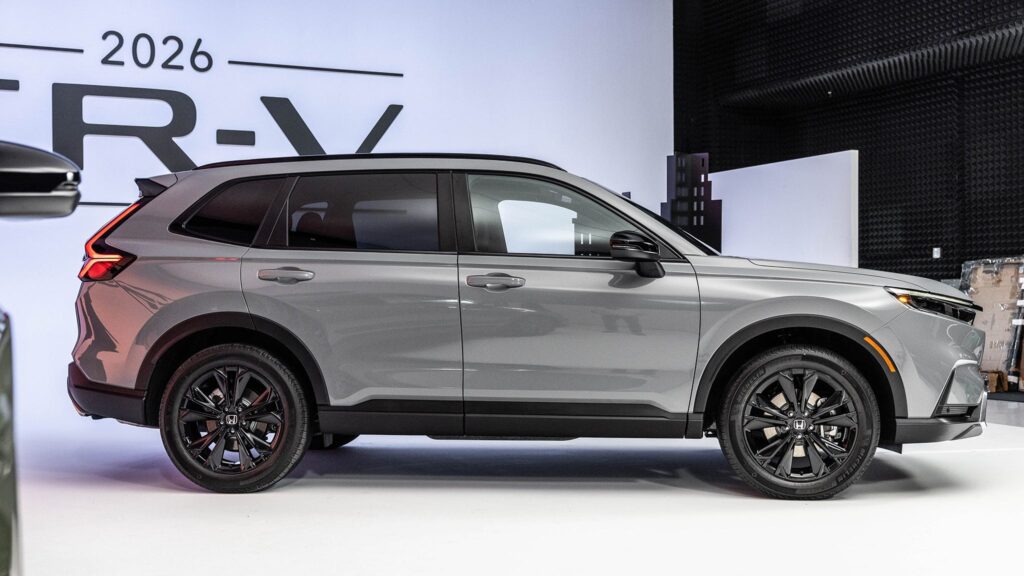
Safety features and driver aids are solid, with Honda's reliability expectations shaping the package. Efficiency varies by configuration, with hybrids typically offering stronger city economy and gas models adequate range. Ownership costs depend on trim, maintenance, and depreciation, but the CR-V remains competitive in its class. For precise specs, trims, and safety ratings, verify with official Honda materials and agency reports. Overall, this Honda fits families and solo buyers who prize rear-seat comfort and practical daily usability.