
Understanding toyota 4runner reliability helps buyers navigate the used market with confidence. The 4Runner's reputation blends rugged capability with durable engineering, though reliability varies by generation. This guide explains what to look for and how to assess condition in a used model.
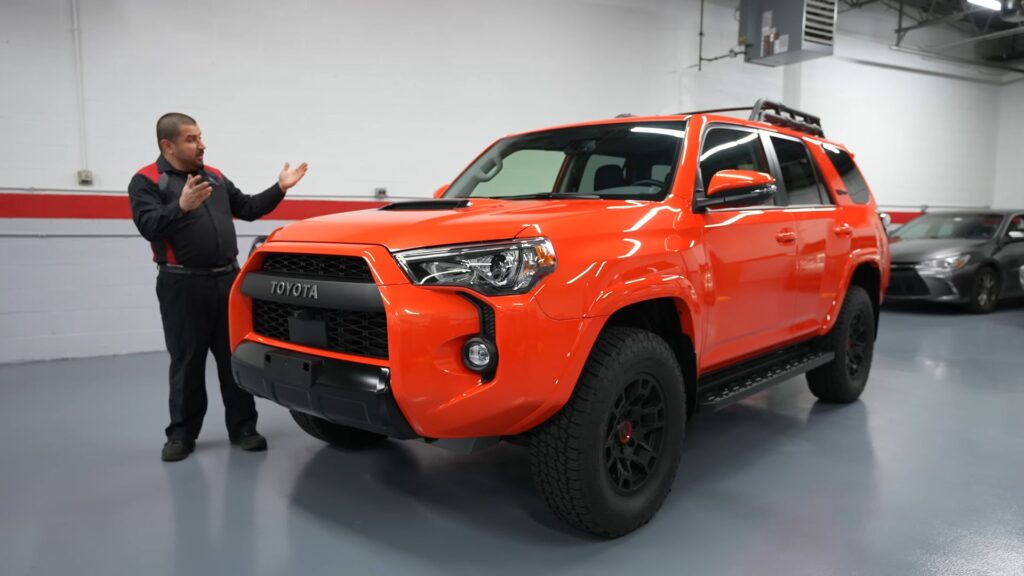
For many buyers, reliability means predictable maintenance and minimal surprises. The 4Runner has a proven track record for drivetrain durability and long service life when properly cared for. Still, older models can show wear in suspension components, rust on vulnerable frames, and aging electronics. A diligent pre purchase inspection and a documented service history help separate solid examples from projects.
What Makes It Interesting?
In broad terms, the 4Runner remains compelling because it pairs genuine off road ability with a straightforward, serviceable package. Its parts network and aftermarket support are strong, which makes repairs easier and more affordable over time. On the road, you get reasonable highway manners for the segment, at the expense of some ride harshness and lower fuel economy compared with unibody rivals.
Reliability is not uniform across generations. Early models emphasized mechanical ruggedness, while later versions improved under hood refinement and electronics. When shopping used, pay attention to rust along frame rails, worn bushings, and signs of heavy off road use. Look for consistent oil changes, timely coolant service, and replacements that match normal driving rather than signs of constant hard use.
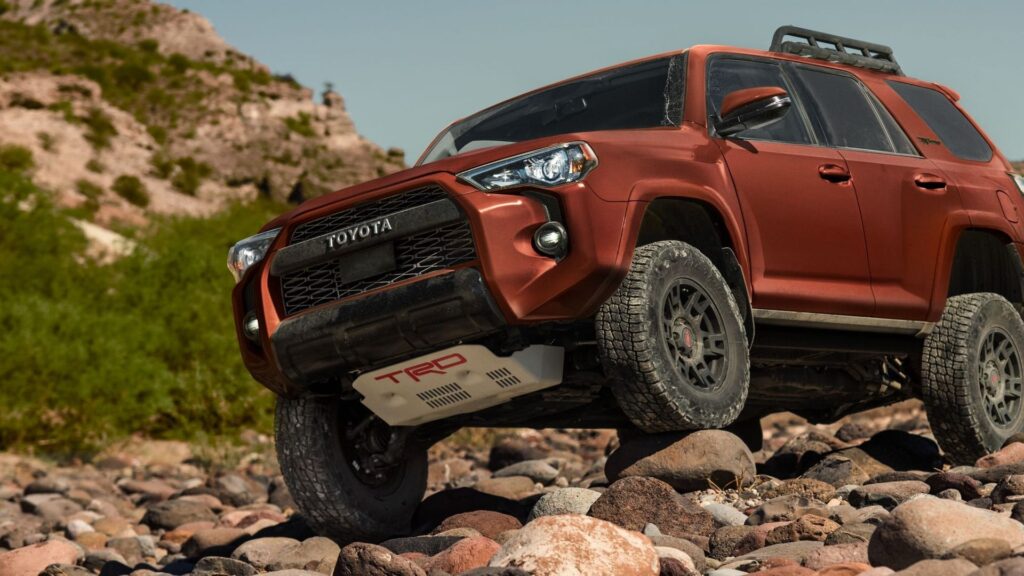
Exterior, Interior or Physical Design
Physically, the 4Runner emphasizes durability over polish. A rugged body-on-frame build provides solid ground clearance and versatile cargo space. Inside, straightforward, hard wearing materials focus on practicality rather than luxury, with simple controls that are easy to use in rough conditions. The trade off is more road noise and older infotainment on earlier models.

Mechanical and Technical Details: Powertrain or Core System: Across generations, the 4Runner uses robust V6 power with a traditional transfer case and part time four wheel drive on many trims. The core drive train is meant for long life, and routine maintenance is the best predictor of reliability. Technology and Controls: Most older trims offer basic analog gauges and limited driver aids, while newer models add modern infotainment, Bluetooth connectivity, and available safety features.

Final Take: The Toyota 4Runner remains a durable used SUV option for buyers who value reliability and off road capability. Its strength lies in mechanical simplicity and a broad parts network, but potential buyers should verify frame condition, suspension wear, and aging electronics. If you want greater efficiency or premium comfort, consider a mainstream or luxury alternative and balance needs against budget.


