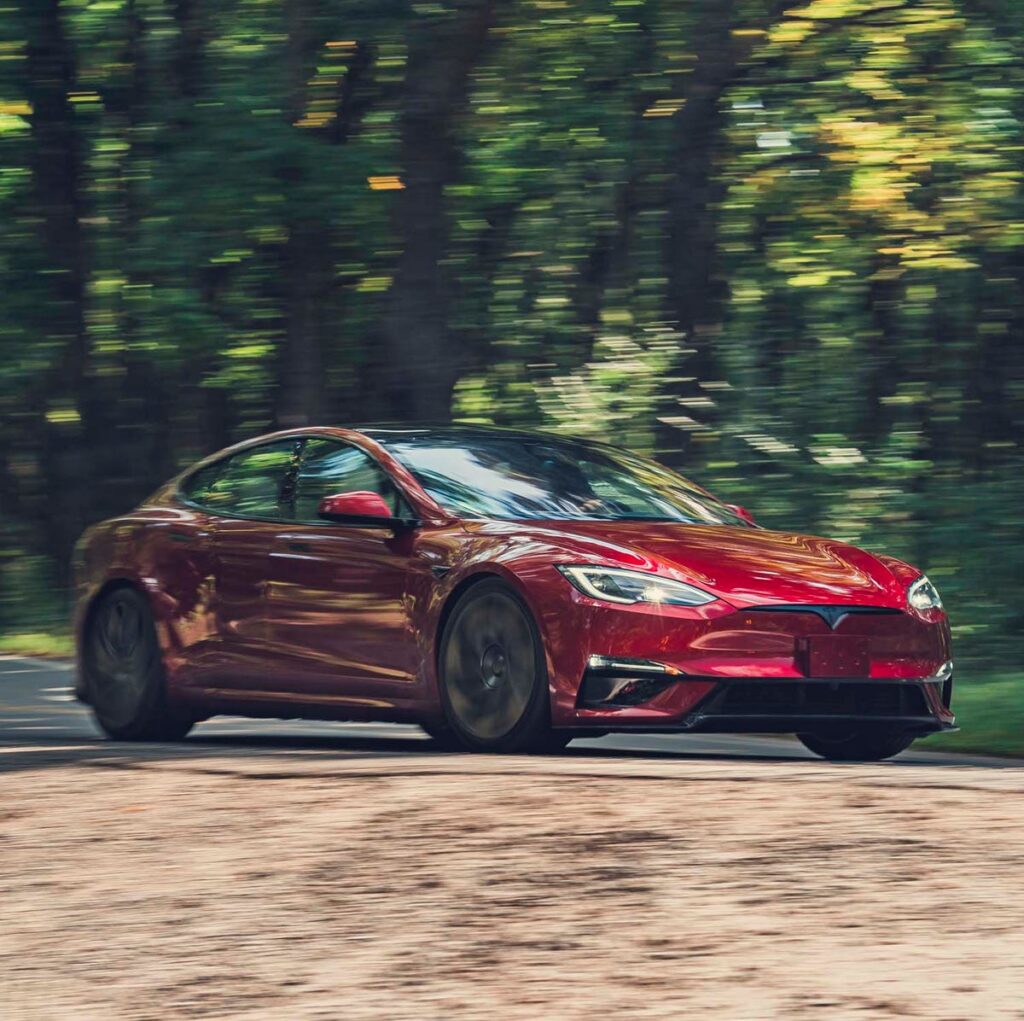
The 2026 Tesla Model S Plaid fuses blistering performance with an expanding charging network and a pragmatic, tech-forward cockpit. This overview centers on range and charging practicality as core ownership considerations, while noting how manufacturer claims align with independent tests, safety data, owner feedback, and editorial observations.
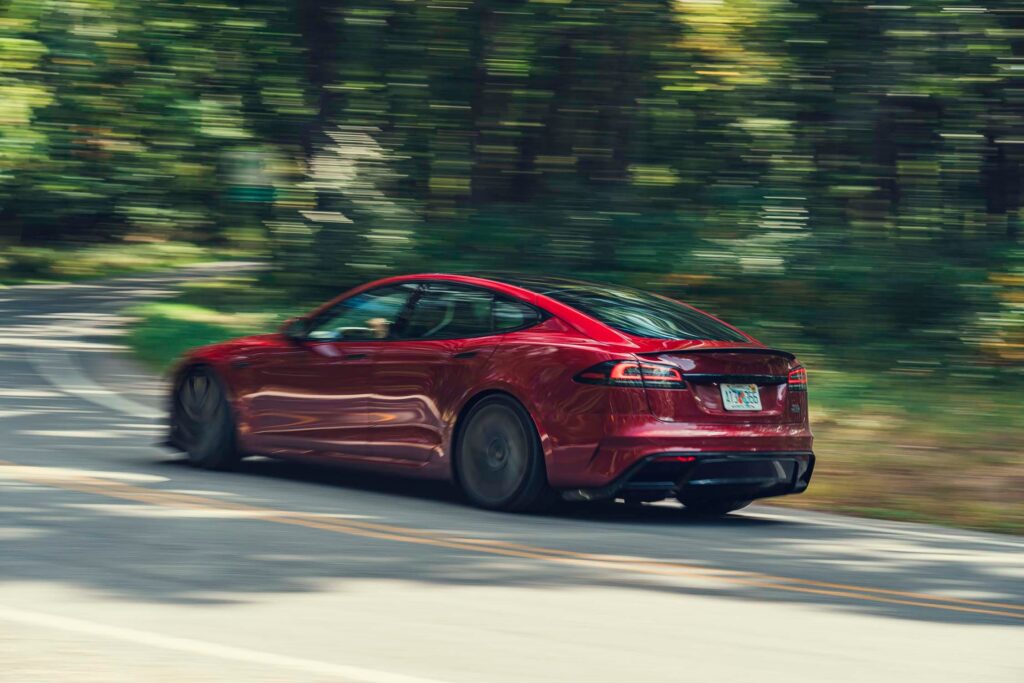
Driving the Plaid is a study in contrast: the thrill of instant torque paired with a measured, steady efficiency persona. The ride quality is responsive rather than plush, and handling feels direct, especially on winding roads where weight distribution and a low center of gravity matter. Real-world range remains sensitive to speed, climate, and how aggressively you demand the power.
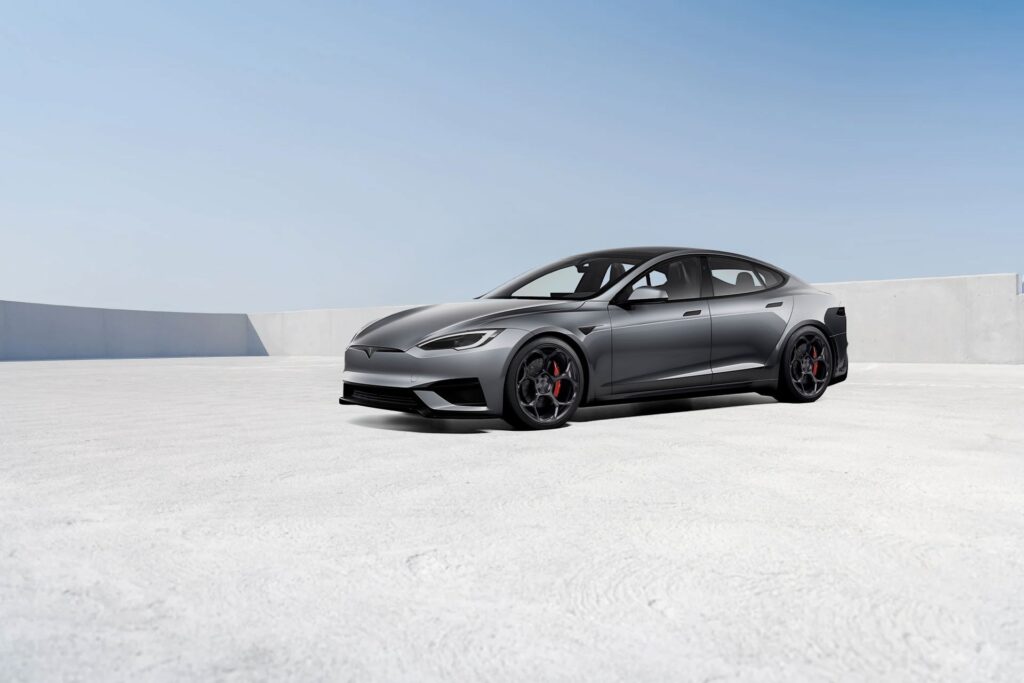
Driving Dynamics and Range
Driving the Plaid delivers instant torque and confident highway performance, yet range awareness shapes every driving decision. The ride is firm rather than cushy, and steering feel is precise, with responsive braking when regenerating energy during deceleration. In practice, long trips require thoughtful planning around charging stops to balance performance with energy use.
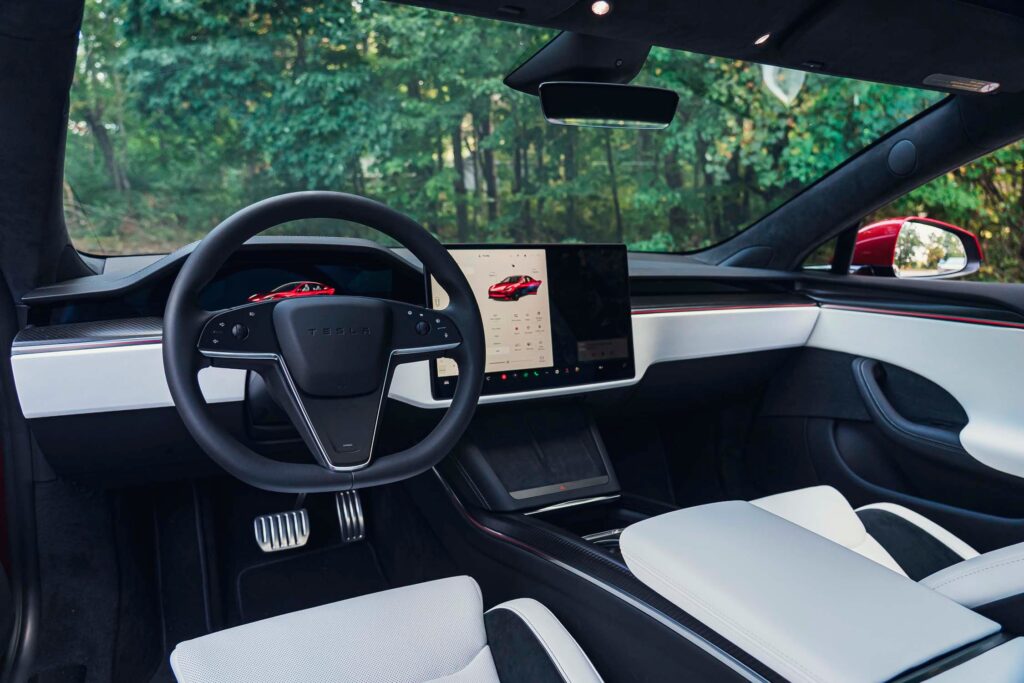
Comfort is practical but not luxurious. The front seats are supportive for long stints, and climate control maintains temperature without feverish fan noise. Rear passengers benefit from generous legroom in a large sedan, while the cabin layout prioritizes airy space over feathery materials. The minimalist interior can feel stark to some, but soft-touch surfaces and fit remain competitive within the EV segment.
Interior and Tech
Inside, a large central display dominates the experience, with a clean interface and frequent over-the-air updates that add features over time. The cabin design emphasizes storage and practicality, including cargo volume and frunk space, while cabin noise is generally controlled at typical highway speeds. Infotainment responsiveness and navigation flow are major advantages for charging planning and energy monitoring.
Reliability evidence and ownership costs are mixed, reflecting a broader industry pattern for high-performance EVs. Editorial observations note that software updates can improve functionality and energy management, while hardware such as the battery system and drivetrain requires ongoing attention. Ownership costs depend on electricity prices, charging habits, maintenance, and regional service availability; verify warranty terms and local support with official sources.
Trims and competition vary by year and market, with Plaid occupying the high-performance end of the Model S lineup and other variants offering different ranges and power profiles. Competitors include high-end EV sedans from Porsche, Lucid, BMW, Mercedes, and Audi, each with distinct strengths in range, charging speeds, and luxury. The Model S Plaid suits buyers who value range and charging convenience alongside extreme acceleration, and who rely on the Tesla ecosystem for seamless long-distance travel and software-based improvements over time.