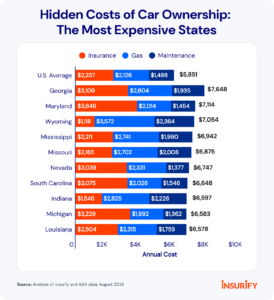
This New Car Buying Guide walks you through every step of the process, from clarifying your needs to closing the deal. It explains how to compare models, estimate ownership costs, and avoid common mistakes, so you can buy with confidence and clear expectations.
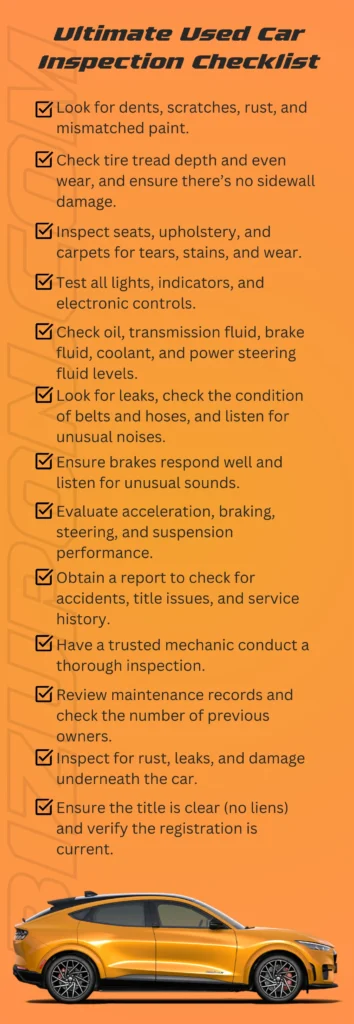
Before you step into the market, define your must-haves and trade-offs. Start with needs: how much space do you require, whether you need a larger cargo area, seating for family, and how you will use the car (city commuting, highway trips, or mixed use). Decide on a powertrain category: conventional gasoline, hybrid, plug-in hybrid, or fully electric. Each option brings different fueling routines, range considerations, maintenance profiles, and charging needs. Pair these with a realistic budget that covers not just the sticker price but insurance, fuel, maintenance, tires, and depreciation over time. Finally, establish a clear framework for comparison so your evaluations stay apples to apples: use the same test-drive route, compare the same set of features, and seek a written quote that itemizes the out-the-door cost. In addition, think about ownership incentives and warranty terms, since these can affect long-term value. When shopping new, you may also consider near-new or last year’s model as possible compromises to obtain newer technology without paying a premium for an all-new redesign. If you want a deeper dive, see our guides on total cost of ownership, price quotation best practices, and the basics of different powertrains. This planning mindset helps you avoid rushing into the first pleasing impression and keeps you focused on fundamentals such as reliability, safety equipment, and the practical realities of daily driving. You should also ask yourself how the car will fit into your daily routine, whether you value quiet cabins, and how important advanced driver aids are to you. Consider future needs like growing families, changing commutes, or cargo demands, and let those factors guide the size and feature set you prioritize.
Foundational questions
Planning the purchase begins with a careful research process: shortlist models that meet your must-haves; read professional reviews with an eye for real-world reliability; configure the exact trim and options online; collect dealer quotes from several stores to establish baseline pricing. Create a budget that excludes the sticker price alone and includes the total cost of ownership: expected fuel costs based on your driving, maintenance intervals, tire replacements, and the effect of depreciation on resale value. Decide how you will pay: cash, financing through a bank or credit union, or dealer financing, and whether leasing could be a better fit for you given your planned usage and mileage. Time your purchase to maximize incentives and factory ordering windows, but beware that offers change frequently and can be region-specific. When you compare offers, request a clear, written quote that includes the exact model year, trim, optional equipment, destination charges, taxes, fees, and any dealer-added accessories. Always verify warranty terms and any maintenance or service plans included with the sale, and consider whether you prefer a complimentary maintenance package or a discounted service plan. If leasing interests you, study how mileage limits, wear-and-tear charges, and end-of-lease options affect your long-term costs; if you’re buying, focus on the total interest and the duration of the loan. If you want more detail on financing strategies, see our articles on financing options and lease-versus-buy decision frameworks. This planning phase lays the groundwork for a successful negotiation and helps you filter out pressure tactics and upsells that do not align with your goals. For practical use, build a simple price-quote worksheet and keep all correspondence in one thread to reduce the confusion that often accompanies big-ticket purchases. Finally, map out a realistic schedule that includes time for factory ordering, waiting for shipment, and a few back-up options in case a preferred color or trim becomes unavailable.
Shopping strategies and price evaluation: after you’ve shortlisted models, request quotes from multiple dealers and ask for an itemized price breakdown. The goal is to compare an all-in, out-the-door price that includes everything from destination charges to taxes and fees and dealer-added accessories. Be wary of low base prices that mask large charges for delivery or market adjustments. Compare three or more quotes side by side and require the same configuration to ensure a fair apples-to-apples comparison. When it comes to trade-ins, obtain a separate appraisal for your current vehicle and compare it with your own estimate of its value; treat the trade-in as a separate negotiation rather than letting it complicate the new-car price. For financing offers, review the annual percentage rate, loan term length, and any rebates or incentives that apply to your credit situation; though numbers vary, your goal is to understand the relative cost of each option and how it affects monthly payments. If you want more depth, check our guides on building a price comparison worksheet, evaluating dealer add-ons, and understanding the true cost of ownership across powertrains. Finally, read the purchase agreement carefully before signing and request copies of all forms for your records. This stage is where you build confidence by seeing how the pieces fit together and by identifying any extras you can remove to improve value. Remember to verify any regional incentives or fleet programs and to test the consistency of quotes across dealers to avoid misalignment.
Shopping logistics
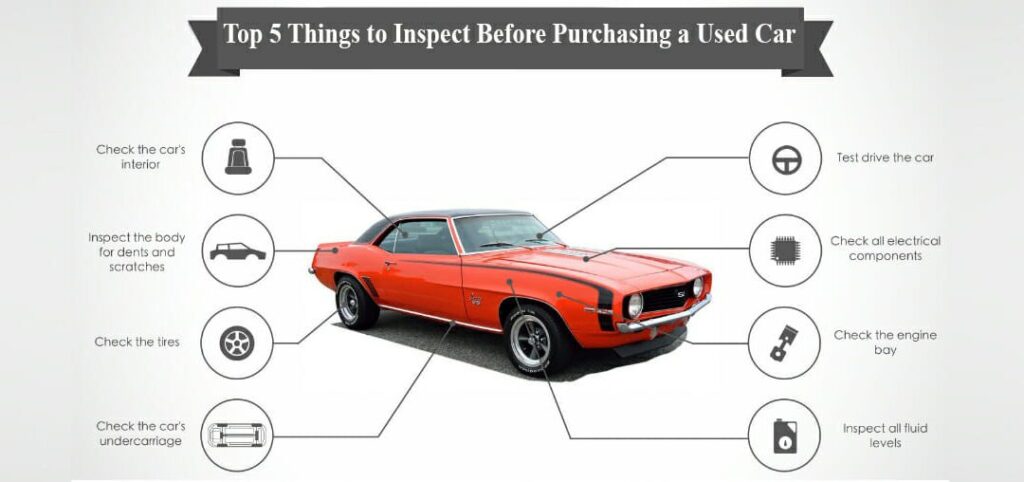
During the dealership visit and the test drive: verify that the car you are evaluating matches the configuration you ordered and that any optional equipment is present. Check the VIN plate, door jamb sticker, and window sticker for the exact model year, trim, color, wheels, and equipment. Confirm safety features such as airbags, driver-assist systems, and brakes function as described; test the adaptive cruise control, lane-keeping assist, rear cross-traffic alert, and blind-spot monitoring in realistic traffic situations if possible. On the road, assess ride quality, steering feel, acceleration, braking, noise levels, and visibility; listen for unusual sounds and note wind or road noises at different speeds. Inspect the interior for fit and finish, seating comfort, controls layout, and infotainment responsiveness; ensure the screen layout and smartphone integration meet your expectations. Verify the condition of tires and suspension on the test vehicle and check for any visible defects on the body. If you are considering packages or service contracts, ask for a detailed cost and coverage comparison; demand an itemized contract that includes the final negotiated price, all add-ons, financing terms, and delivery timing. Bring any questions about warranty coverage and service intervals, and ask for a written plan of recommended maintenance. Before you sign, confirm that the price on the contract equals the agreed-upon out-the-door figure, that there are no undisclosed fees, and that the vehicle will be delivered to you in the condition you expect. If you want further guidance, see our checklists on test-drive etiquette and contract review.

Ownership and maintenance planning after purchase: once you take delivery, set up your insurance, register the car, and review the owner's manual for maintenance schedules. Track fuel economy, tire wear, and any service visits to anticipate costs and plan cash reserves for unexpected repairs. Establish a maintenance calendar that includes oil changes, tire rotations, brake inspections, and recalls; sign up for manufacturer recall notifications and set reminders. Understand the warranty coverage and what it excludes; keep records of all service and parts, including receipts for future resale. If your vehicle is eligible for complimentary maintenance or roadside assistance as part of the new-car package, note the terms and renewal opportunities. Consider an extended warranty or service plan only if it aligns with your expected usage and risk tolerance; read the terms carefully and compare with third-party options. For EV or PHEV owners, track charging costs and home charging setup, including any installation or conversion requirements, and plan for battery health monitoring. If you want to learn more about reliability and ownership costs, see our articles on maintenance schedules, warranty basics, and depreciation expectations. Maintaining a proactive approach to care preserves resale value and reduces the likelihood of surprise repairs.
Final decision framework and quick-reference buyer's checklist: With all the information gathered, revisit your priority list and score each model against must-haves, total cost of ownership, and risk factors such as recalls and reliability. Build a simple decision framework: assign a value to needs (space, safety, efficiency), evaluate the all-in price, and weigh long-term ownership costs. Use a final checklist before signing: confirm the negotiated price matches the quote; confirm that any trade-in value and down payment are correctly reflected; verify there are no hidden fees or unwanted add-ons; ensure warranty and maintenance terms meet expectations; confirm delivery timing and color, trim, and equipment; ensure registration and insurance steps are completed. After purchase, keep all documents organized and note recall status and service history. Revisit the decision in a few months if you want to adjust for new incentives or updated models. For more practical help, see our checklists and decision guides, such as the financing options, contract review sheets, and maintenance planning resources. This New Car Buying Guide is designed to be evergreen by focusing on fundamental decisions, clear measurements, and repeatable steps you can apply to any new-vehicle purchase.