
Choosing a budget dash cam is more than chasing a low price; it’s about reliability for engine and powertrain moments—startup chatter, RPM behavior at idle, and odd quirks during trips. This practical guide helps everyday drivers balance value with durability, clarity and simple daily use.
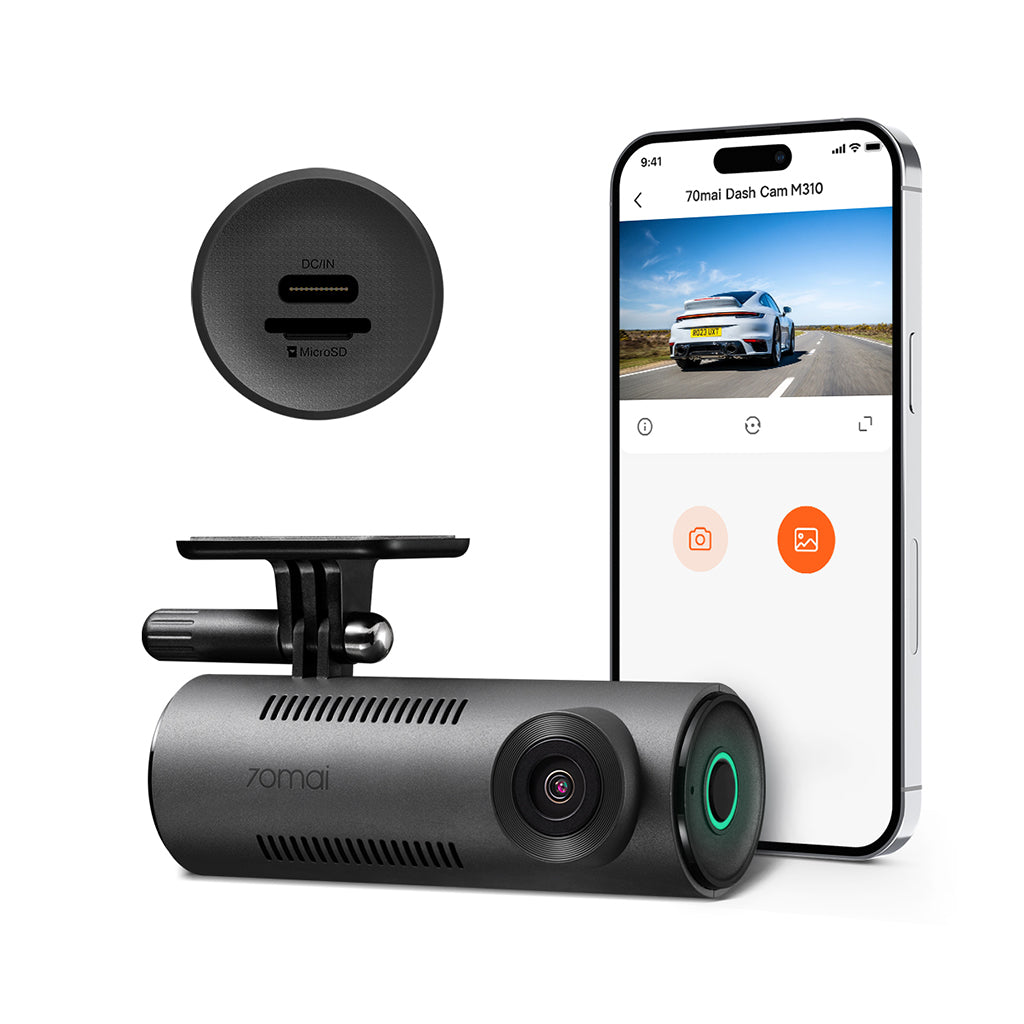
Engine and powertrain events are where a dash cam proves its value. A budget option should clearly capture startup sounds, RPM behavior at idle, and highway acceleration without lag. You also want dependable clips that survive daily heat, vibrations, and a few gravel road adventures, stored safely so you can review them later or share with your mechanic.
What You Get
Core features usually include 1080p or better resolution, a wide lens, loop recording, and a G-sensor that saves footage during sudden movement. Expect microSD storage, a simple mount, and a basic companion app for quick playback. All of these basics support routine engine checks, fault codes, and movement around a stop or collision.
Configuration options offer broader context. GPS adds speed and location stamps, helpful for correlating engine performance with road events. A rear camera expands the view and can inform about exhaust or drivetrain issues seen from behind. Parking mode adds security when the car is parked, but it may demand more power and a larger memory budget.

What Changes by Configuration
GPS logging makes engine timing easier to validate during service visits, and dual channels improve review of any rear-end events. A higher storage capacity and faster memory help preserve longer driving sessions around powertrain behavior. Wired installations can become more complex, but they typically deliver cleaner power management and fewer dropouts than battery-based setups.
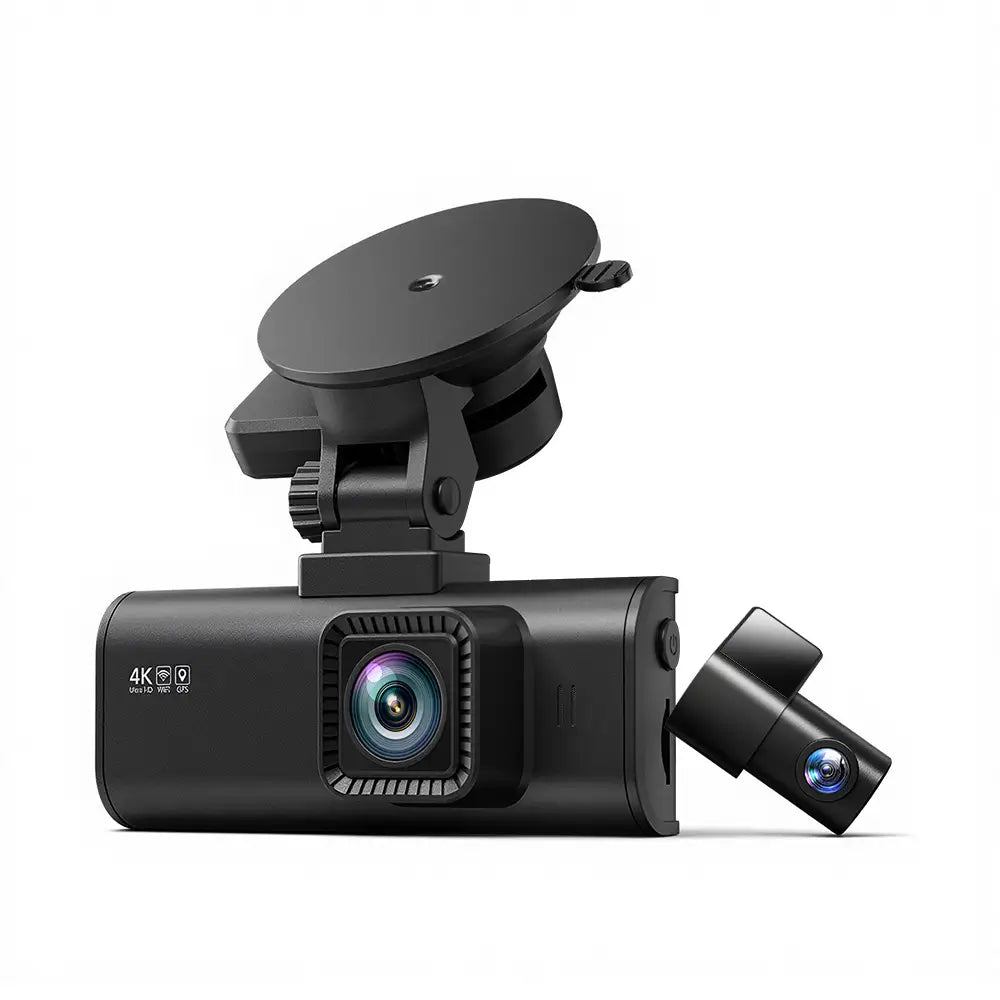
From a practical standpoint, budget dash cams excel in everyday coverage and simple operation, with modest power draw and easy mounting. They tend to be compact, making installation less conspicuous and more forgiving for smaller interiors. Reliability depends on firmware updates, proper formatting, and card quality; noname microSDs are the weak link, so choose a reputable class.
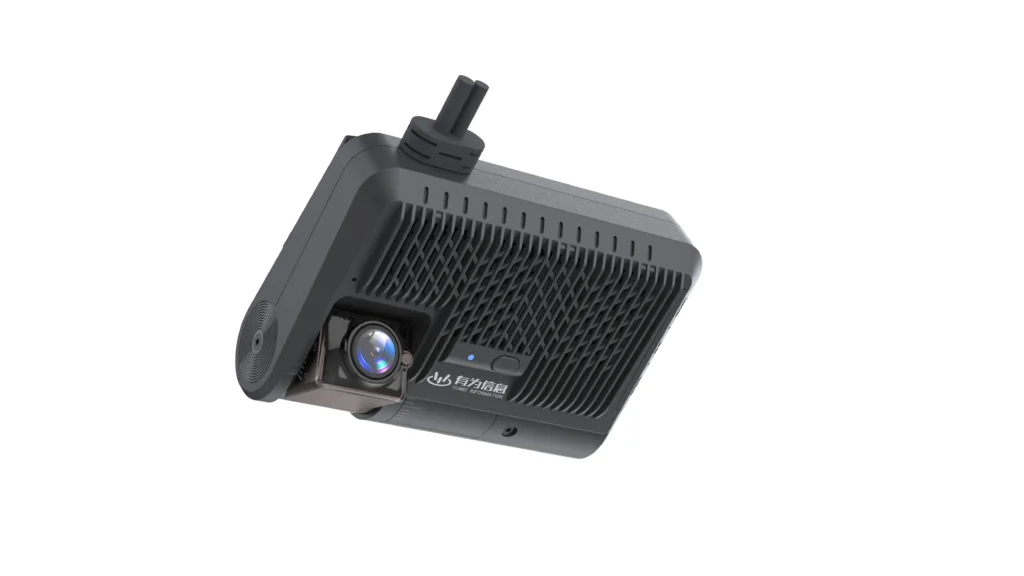
Compared with premium rivals, budget dash cams trade features for value, but they still deliver practical engine-focused coverage. Where they have an advantage is simplicity, low power draw, and straightforward installation; rivals differ in resolution, app polish, and feature depth. FAQ: Do budget dash cams drain the car battery? Generally not if wired correctly and not left in constant parking mode. Final takeaway: for everyday powertrain monitoring, a budget option can be a sensible compromise.


