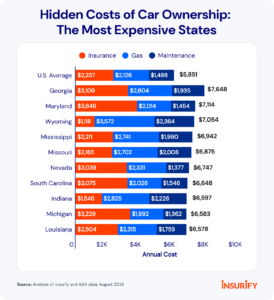
Car Ownership Cost Guide helps you understand the long-run price of owning a vehicle, from purchase to disposal. It explains how costs accumulate, what to budget, and how to compare ownership options so you can choose a car that fits your finances.
Understanding car ownership costs begins with the idea of total cost of ownership. This guide defines cost categories that many buyers overlook when focusing only on sticker price or monthly payments. It helps you project both predictable and variable expenses across the life of a vehicle. By thinking through upfront, ongoing, and end of life costs, you can compare options on a like for like basis rather than chasing low monthly payments. The core concept is simple: every mile you drive and every year you keep the car adds cost, and some choices reduce those costs more than others. The challenge is to forecast the costs you will actually incur rather than the numbers a dealer or manufacturer highlights. This pillar resource aims to equip you with a practical framework. Start with your planned ownership horizon, your typical annual mileage, and how you value reliability, safety, and convenience. Then map out which costs are most sensitive to decisions you make today, such as choosing a more fuel efficient model, a hybrid, or an electric vehicle versus an internal combustion engine. You will likely discover that the largest ongoing expenses are typically insurance, fuel or charging, maintenance and tires, and depreciation. Insurance premiums can vary widely by driver profile and location, so you should recheck quotes for every potential vehicle. Fuel and charging costs depend on your fuel type and energy prices, but you can influence them by selecting a vehicle with efficient performance and by adjusting driving habits. Maintenance costs tend to rise with vehicle age and complexity, so a plan for preventive servicing and timely repairs pays off. Finally, depreciation is often the single largest cost over the life of the car, driven by brand reputation, model demand, and how well you maintain the vehicle. This guide will outline practical steps to forecast each category and to choose options that balance cost with value.
Core cost categories
Upfront costs set the tone for a purchase. The headline number is the price you pay for the car, but tax, licensing, title fees, registration, and dealership processing fees add to the total outlay. If you finance, the rate and loan term shape the total interest paid over the life of the loan. Leasing introduces different economics, with consideration for mileage limits, wear limits, and end of term options. A durable approach is to estimate the total upfront and first year costs and to separate them from ongoing costs. When comparing candidates, convert offers into total cash cost over a common horizon rather than comparing monthly payments alone. A lower monthly payment can hide higher long term costs if depreciation is steep or if maintenance costs are high. Depreciation varies a lot by model, trim level, and brand reputation, so look at credible depreciation projections for the specific vehicle. Consider warranty coverage and included maintenance plans as part of the upfront economics. A longer warranty or bundled maintenance can reduce future repair anxiety and cash outlays, particularly for vehicles with complex powertrains. If you expect to keep the car for several years, investing in a model with strong reliability and good residual value may reduce total cost of ownership. Also assess potential incentives and rebates that may apply in your region. Although incentives change, the general principle remains: incentives should improve your all in cost when they align with your ownership horizon. Remember that every extra feature or option adds to the upfront price, but some options may also reduce ongoing costs, such as advanced safety systems that prevent accidents or telematics that support maintenance planning. Before buying, compile a simple pro and con sheet for each candidate, focusing on price, warranty, expected maintenance, fuel efficiency, and potential resale value.
Ongoing costs are the day to day reality of owning a car. Insurance is a major item that reflects risk factors such as age, driving history, location, and the vehicle's safety and cost to repair. You should shop for insurance after you narrow your model list because premiums can vary dramatically. Fuel or electricity costs depend on your vehicle's efficiency, your driving patterns, and the local cost of energy. Even within the same powertrain, real world fuel economy can differ from the official rating, so track your own usage after purchase to see how the numbers compare. Maintenance and tires are ongoing reminders that a car requires regular service. Adhering to a sensible maintenance schedule protects reliability, preserves resale value, and avoids bigger repairs later. Tire wear is heavily influenced by driving style and road conditions, so factor in rotation intervals and the expected life of tires for the specific vehicle. Registration, taxes, and inspections are recurring charges that may vary by jurisdiction, and they usually increase slightly as the vehicle ages. Negotiate extended service plans or prepaid maintenance only if you believe you will maximize value from them given your expected usage. Finally, depreciation continues to influence the cost of ownership even for a used car, though it slows once the car reaches mid-life; in some cases, a low depreciation model can outperform a pricier but high resale model. A practical tactic is to create a year by year budget that allocates a fixed amount for maintenance and a separate fund for unexpected repairs. You can also use a total cost of ownership calculator to compare scenarios and explore how different choices alter your long term balance. For readers sourcing a vehicle in a cost focused way, these related topics deserve attention: total cost of ownership calculators, insurance shopping strategies, fuel economy analysis, maintenance planning, and depreciation considerations.
Budgeting and planning
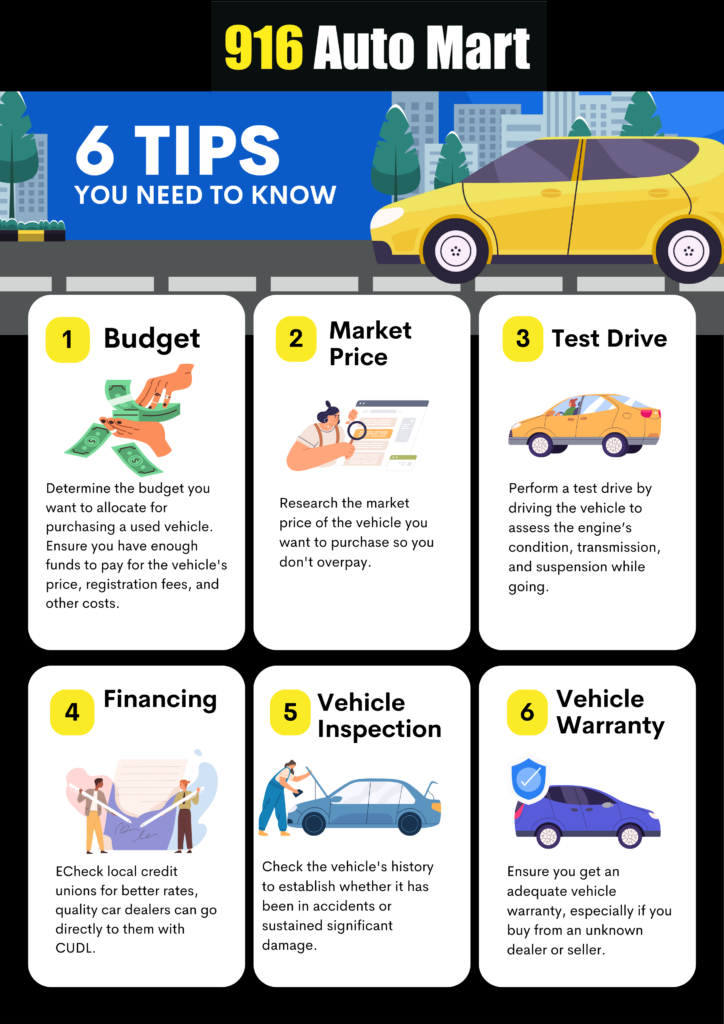
When deciding which vehicle to buy or lease, several factors determine the long term ownership cost. Vehicle type matters; a compact sedan usually costs less to own than a large SUV, all else equal, but you may value space or capabilities differently. Drive patterns matter; high annual mileage accelerates depreciation in some segments while making efficiency gains more valuable. Powertrain choice shapes both efficiency and maintenance costs; EVs have different charging costs and battery aging considerations, hybrids balance gasoline use and maintenance, while traditional gas cars have simpler service profiles. Your horizon matters; if you expect to trade in or sell within a few years, depreciation and market demand for the model are critical. Reliability and safety ratings influence repairs, downtime, and insurance costs, so consult independent resources for model reputations. Warranty terms and powertrain coverage can blunt some risk but may not cover routine maintenance, so include those gaps in your cost math. The vehicle’s options and trim level influence price and residual value; choosing mid range equipment often yields better resale value than the highest trim if the extras do not translate into meaningful value for you. Geographic realities also shape costs; cold climates can increase battery wear or require more heating costs, and urban environments may carry higher insurance or registration charges. To stay on track, compare scenarios using a common framework: purchase price or lease cost, financing, fuel or energy costs, maintenance, and depreciation. This approach helps you see which combination of factors lets you meet your budget while still meeting your needs. When in doubt, keep a checklist of questions to guide your conversations with dealers and lenders, such as what is the real out of pocket cost, how is depreciation expected, and what happens at the end of a lease if you choose that route. Related internal topics you may want to explore include model year impact on price, lease versus buy evaluation, and reliability based selection criteria.
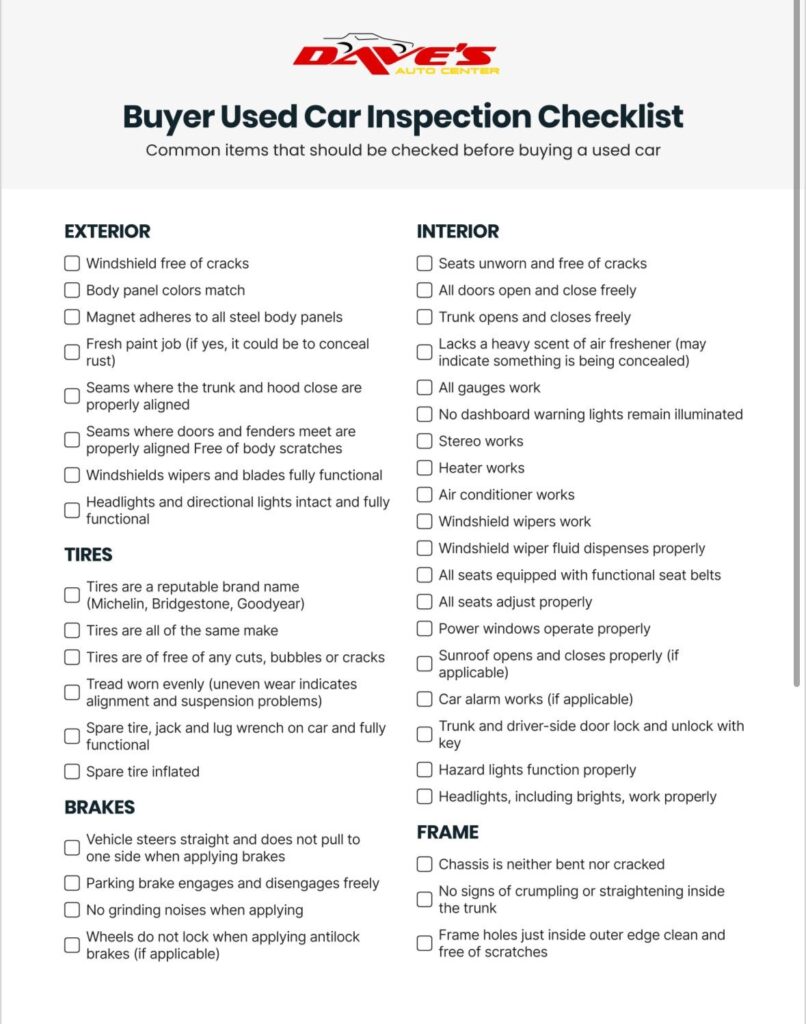
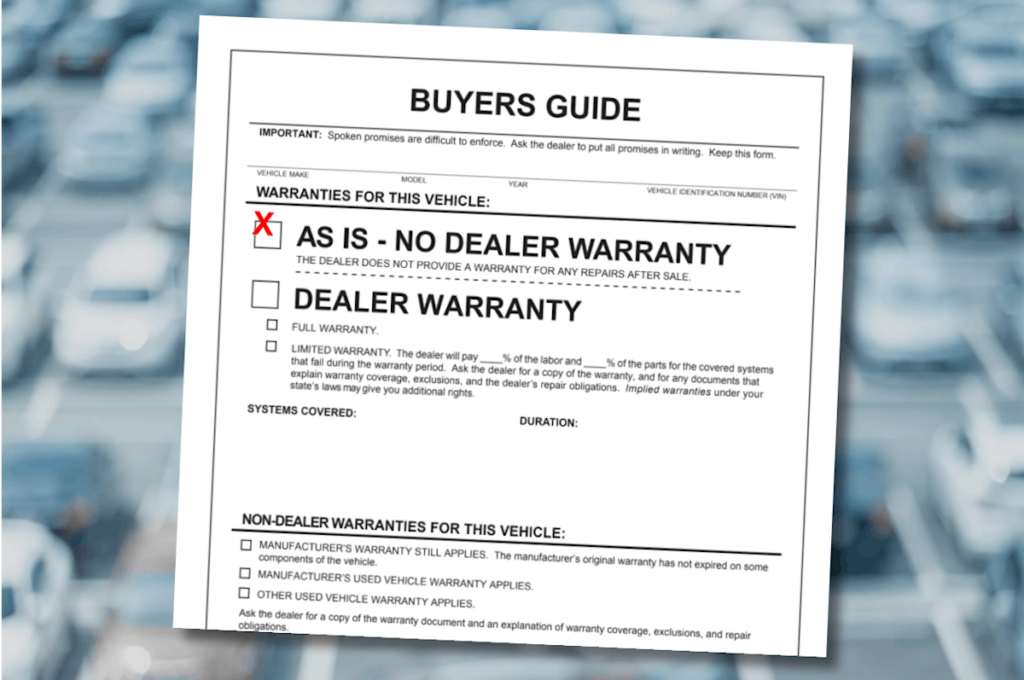
Before purchasing, run a thorough verification of the vehicle's condition and history, especially for used cars. Verify service records, check for accident history, confirm the odometer reading matches the vehicle presentation, and inspect the mechanical systems including brakes, suspension, steering, and electronics. For EVs or hybrids, verify battery health and charging equipment. In person tests should cover starting from cold, driving at highway speeds, and listening for unusual noises. Have a trusted mechanic conduct a pre purchase inspection and request a written diagnostic report. If buying from a private seller, confirm title transfer, lien status, and that there are no pending recalls. For dealers, read the warranty terms closely and understand what is covered and what is not. Finally, validate the vehicle's value by comparing against independent pricing guides, not just the advertised price. These checks reduce the risk of overpaying or discovering costly problems after the sale. Keeping a detailed inspection checklist on hand helps you stay methodical rather than relying on an impression. For readers exploring cost effective paths, consider alternatives such as certified pre owned options, one owner vehicles with complete service histories, and perhaps exploring demonstrated value trims that offer a strong balance of price and functionality.
Conclusion and quick decision framework: To build your Car Ownership Cost Guide, start with a realistic ownership horizon, enumerate all categories of cost, and compare options on total cost rather than monthly payment. Use the framework below to decide: determine your annual mileage and fuel type; choose a vehicle class and powertrain aligned with cost goals; evaluate financing vs leasing based on horizon and usage; run a rough ownership budget including maintenance and insurance; build a contingency fund for unexpected repairs. A practical buyer checklist at the end of the article can help you stay disciplined: verify total purchase price, compare financing offers, obtain and review warranty terms, inquire about maintenance plans, request a depreciation forecast, gather insurance quotes, test drive and assess real world fuel economy, inspect the vehicle, check for recalls, and compare the total expected cost for at least two viable options. This pillar resource remains evergreen by focusing on fundamental decision factors and by offering a framework you can adapt to different vehicles and markets. If you want to explore more, look for related topics like financing strategies, insurance shopping, and depreciation planning, which are prime candidates for linked articles that expand on the core ideas of this guide.