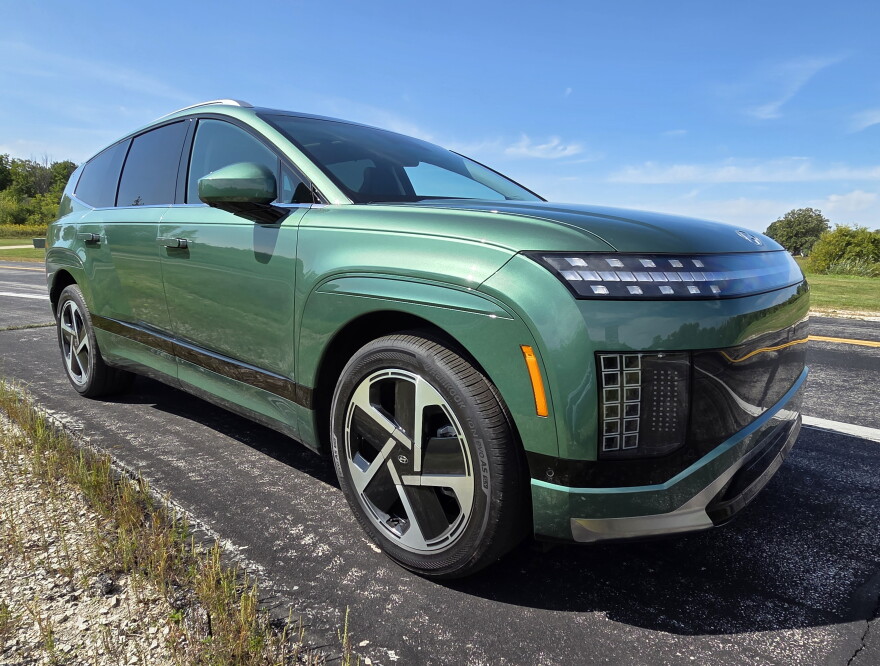
The 2026 Hyundai Ioniq 9 is an all-electric family SUV built on Hyundai's E-GMP platform, aimed at long-range comfort and practical space. This review centers on the rear seat experience, where passenger comfort and usability drive the overall value.
From the back, the Ioniq 9 offers generous legroom, adjustable rear seats, and a dedicated climate zone. Hyundai touts modular seating and improved ingress, but independent reviewers note that actual legroom hinges on the front seat's position. The rear bench and center armrest feel upscale, yet long trips reveal tradeoffs between support and airflow.
Rear-seat priority
Ride quality matters as much for rear passengers as it does for the driver. The Ioniq 9's independent suspension helps isolate vibration, while road texture can be felt through the rear floor if the seat is placed high or the load floor compresses. Seat padding and lateral support appear robust, but long trips reveal tradeoffs between support and airflow.
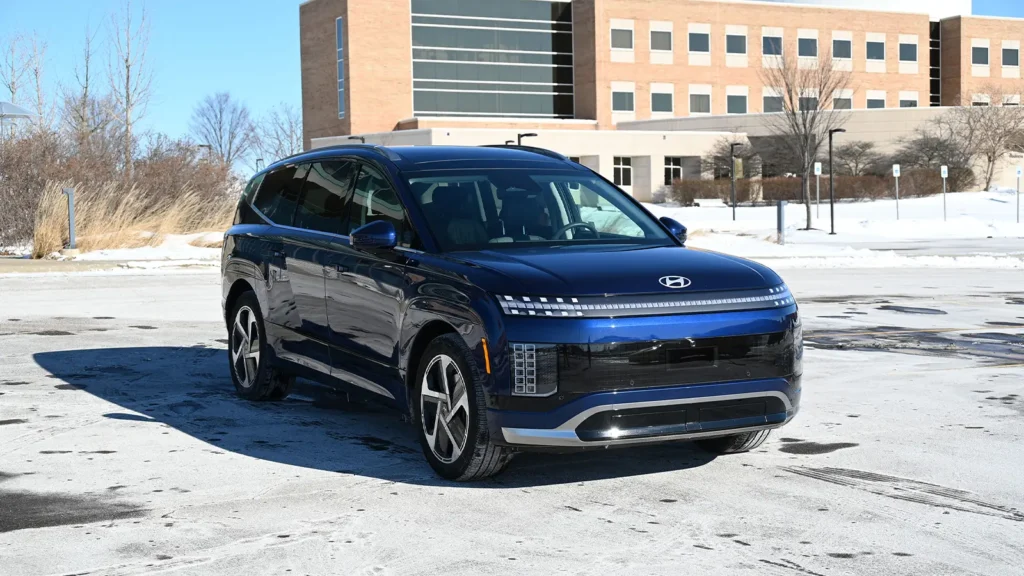
Technology and efficiency are conspicuous, with a strong emphasis on rear-seat connectivity. The vehicle offers rear-seat entertainment, USB-C ports, and climate controls, plus regenerative braking tuned to maintain rear comfort when decelerating. Official efficiency numbers remain unverified here; consumers should consult EPA or local data when released, as early claims may change with software updates.
Technology and Safety
Reliability signals for a new model typically emerge over time; as of now, there is limited independent reliability data for the 2026 Ioniq 9. Prospective buyers should watch for early recalls and service campaigns, verify warranty terms directly with Hyundai, and monitor owner forums for rear-seat durability and comfort. Common questions surround rear-seat space consistency, charging options, and potential service costs.
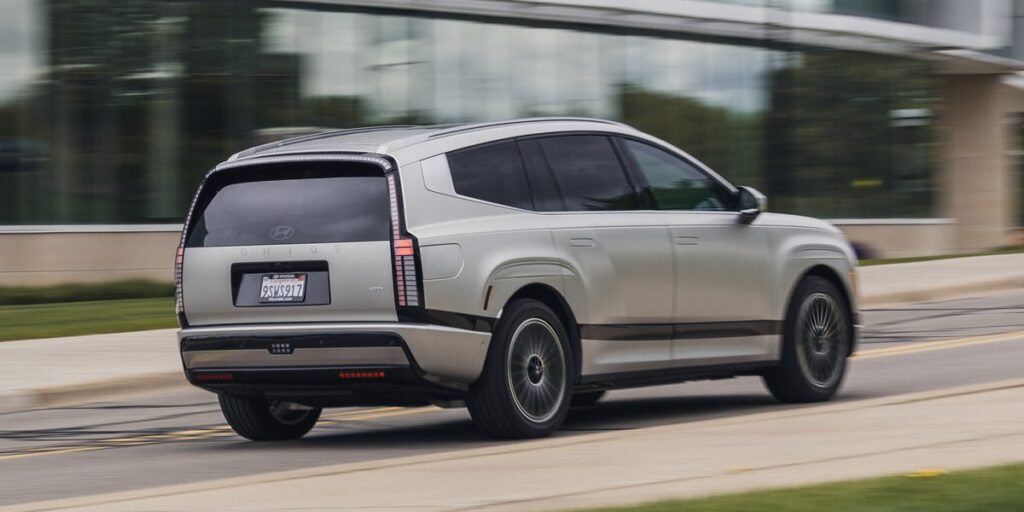
Ownership involves charging infrastructure, access to fast-charging networks, and software updates. Hyundai usually provides connected services to monitor battery health and trip data; check subscription requirements and mobile app experience for rear-seat passengers who depend on in-car entertainment and climate-sharing.
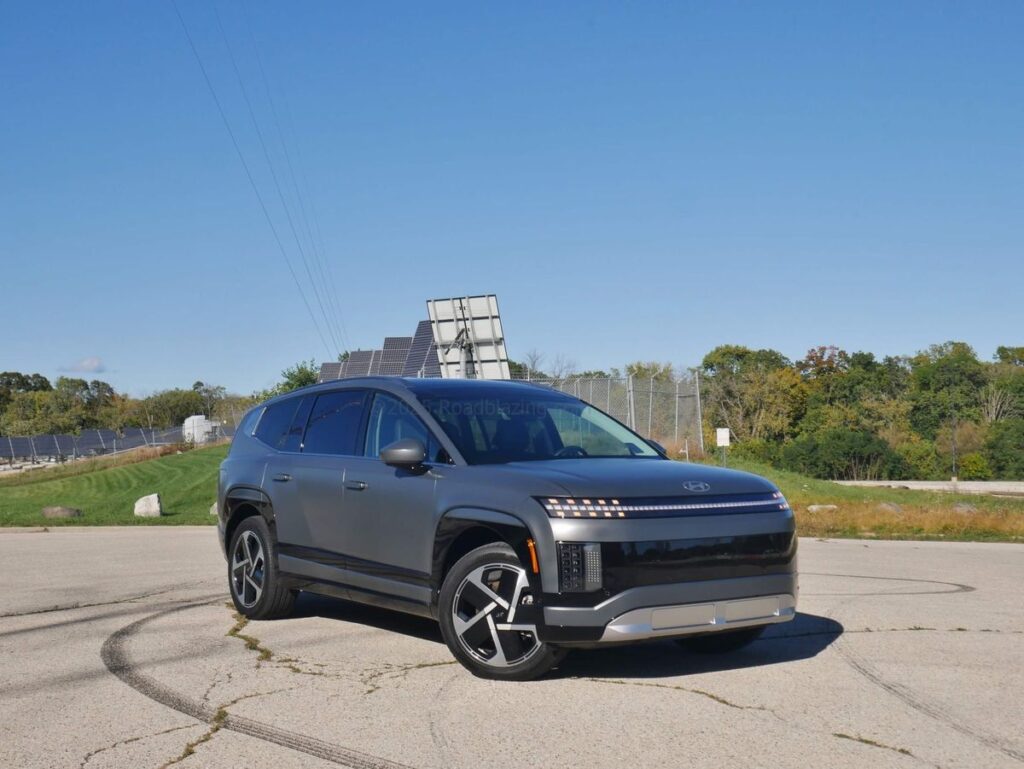
Bottom line: if rear-seat comfort, space, and family usability are your priority, the 2026 Ioniq 9 positions itself as a compelling option in its segment. While official efficiency and long-term reliability data should be verified, early indications suggest strong rear-seat practicality paired with technology that supports passenger convenience, alignment with Hyundai's evolving EV strategy.