This Used Car Buying Guide helps you navigate the decision journey from preparation to post-purchase, highlighting practical steps, common pitfalls, and the information you need to compare cars confidently. It starts with planning and ends with a solid ownership plan.
To begin, set a realistic budget, determine your needs (size, cargo space, reliability, fuel efficiency), and decide how you will finance the purchase. Gather sources such as vehicle history reports, independent inspections, and test-drive notes. This preparation helps you compare options with confidence.
Getting Ready
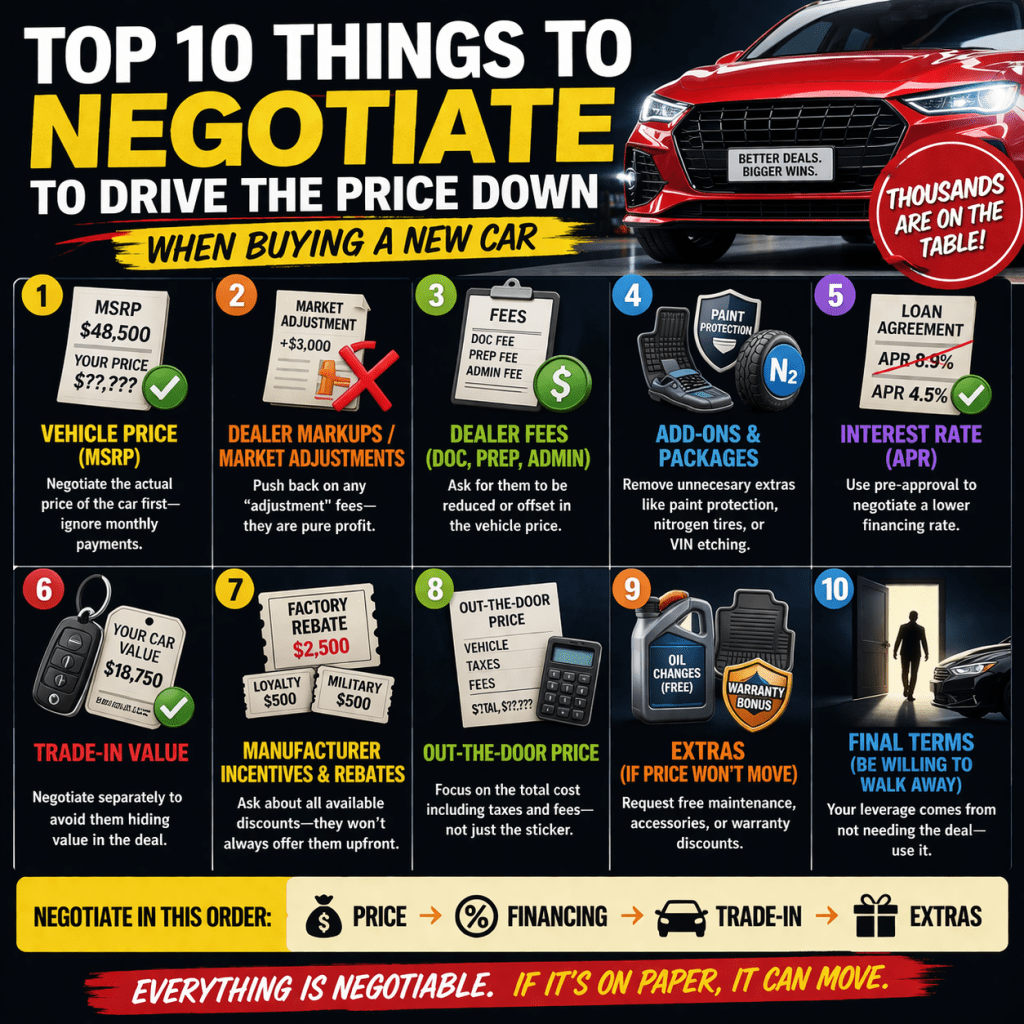
During preparation, define must-haves versus nice-to-haves, and set hard limits for price, annual ownership costs, and expected mileage. Create a short feature list (automatic transmission, seating for the family, safety features) and a longer wish list for optional equipment. Develop a realistic timeline and a plan for how you will pay for the vehicle.
Next, evaluate candidates with a consistent checklist: verify maintenance records, inspect exterior and interior wear, check tires and brakes, and listen for unusual noises during a test drive. Run a vehicle history report and look for recalls or previous accidents. A professional pre-purchase inspection is worth the investment and can reveal hidden issues.
Inspection & History
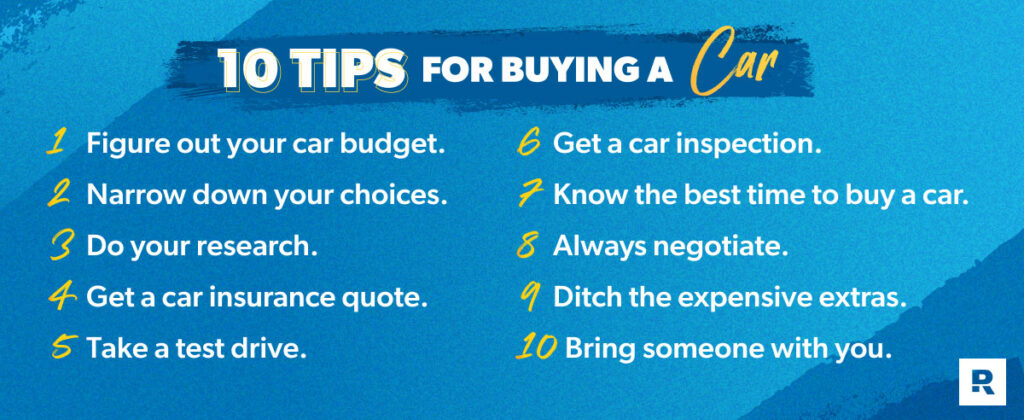
During verification, confirm model year, trim level, powertrain, and VIN consistency between listing and car documents. Look for signs of flood or frame damage, evidence of improper repairs, and irregular maintenance intervals. Documentation such as service receipts, warranties, and owner logs strengthens your confidence.
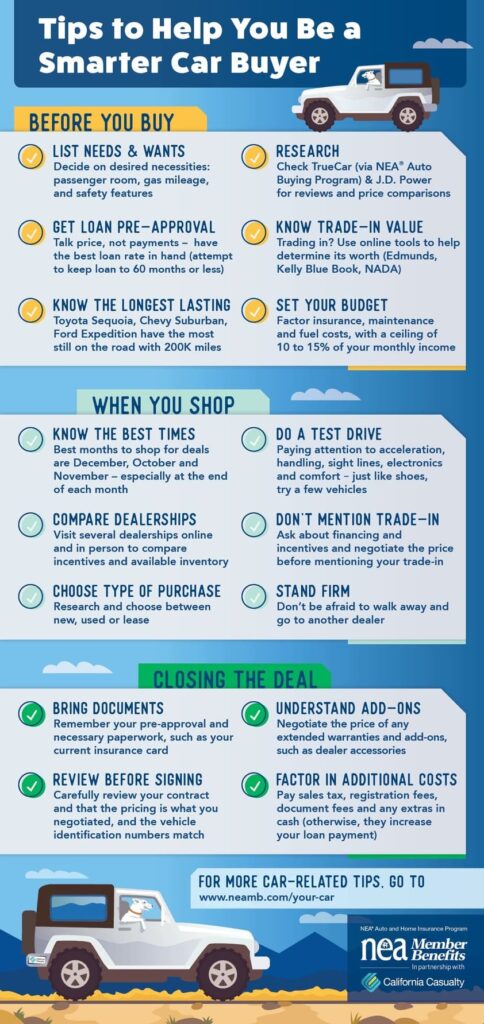

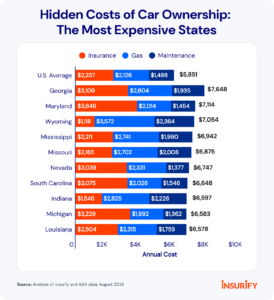
With a short list of solid options, compare total ownership costs including insurance, maintenance, fuel, and depreciation. Negotiate price with evidence from your research, and consider financing terms, trade-in value, and warranties. After purchase, register the vehicle, schedule maintenance, store records, and monitor recalls and safety updates. This completes the cycle described in the Used Car Buying Guide and supports long-term satisfaction.