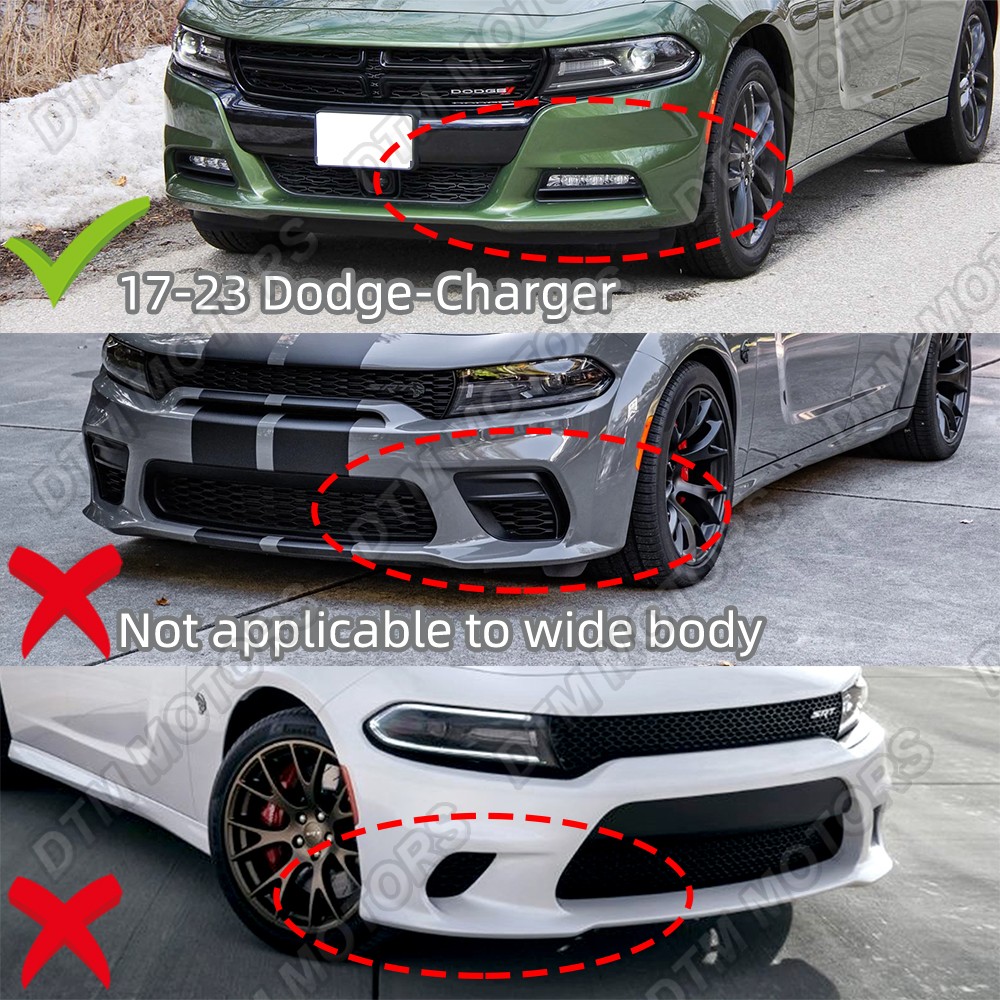
dodge charger sxt sits at the crossroads of American muscle-car heritage and practical daily driving. In an Electric Vehicle Guide, its role is to illuminate how a traditional gasoline sedan stacks up against battery-powered rivals and what owners should consider as electrification becomes more common.
On the EV spectrum, the Dodge Charger SXT remains a familiar choice for buyers who value straightforward operation and broad usability. It offers predictable performance and simple maintenance, with refueling convenience and established service networks. The challenge for electric alternatives is not just propulsion but total ownership, including charging habits, efficiency, and long-term energy costs.
Performance and capability
Under the hood, the Charger SXT typically uses a conventional V6 engine that emphasizes steady torque, smooth highway cruising, and refined cabin quietness. Its driving character favors a traditional, linear power delivery over the instant rush of an electric motor. In an EV guide, that means highlighting how consumer needs—haul capability, throttle response, and daily reliability—trade off with the efficiency and simplicity of battery electric propulsion. That reality means prospective buyers should weigh the ease of refueling against the costs of fuel over time.

Comfort, space and usability are hallmarks of the Charger SXT's interior, with a roomy cabin and practical storage. Front seats generally offer solid support for long trips, and the rear seat remains usable for adults on daily commutes. Real-world cargo and passenger load reveal where the SXT shines and where it falls short against compact EV sedans.
Technology and safety
Technology in the Charger SXT centers on familiar Uconnect infotainment, driver-assist features, and conventional connectivity. In the EV context, compare this to electric sedans' advanced displays, regenerative braking, and energy-management systems. The trade-off: you gain ease of use and proven reliability with fewer variables to manage, but you lose the cutting-edge efficiency and charging ecosystem that many EVs offer. This also matters for buyers who value rapid, automated updates of software and seamless integration with mobile apps.
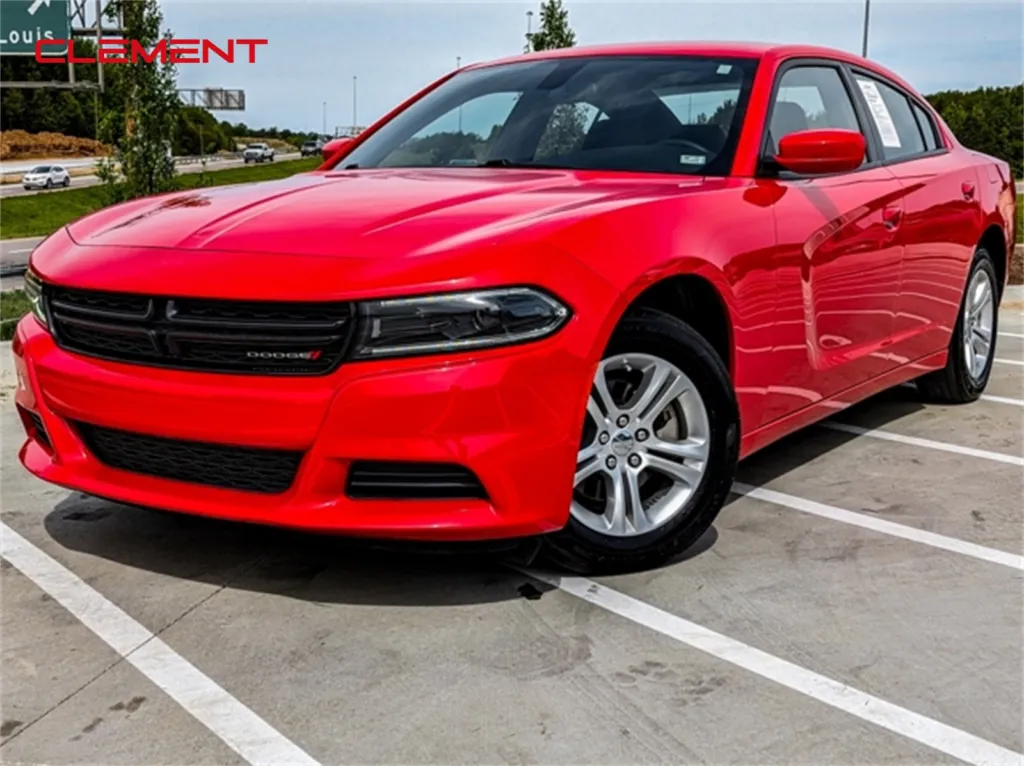
Efficiency and ownership considerations for the Charger SXT revolve around fuel economy, maintenance costs, and resale value. While the vehicle benefits from an established refueling network and predictable upkeep, ongoing energy costs and environmental impact differ from EV ownership. For buyers eyeing the future, it helps to model driving habits, access to charging, and the potential benefits of hybrid or plug-in alternatives within the same segment. That lens also matters for family usage and road trips where fuel stops become predictable milestones.

Is there a fully electric Dodge Charger SXT? Not in the current lineup. The Charger SXT is gasoline-powered, and Dodge has not released an all-electric version in that trim. How does ownership cost compare with EVs? In general, you should expect different cost dynamics: gasoline prices affect running costs, while charging infrastructure and battery depreciation influence EV economics. What should buyers consider? Plan for fuel access, local maintenance networks, and how the car fits your daily driving patterns.