This review places the 2026 Ford Transit in the competitive commercial van class, weighing performance, comfort, interior quality, technology, safety, and ownership costs, while making fuel economy the central lens for shoppers evaluating fleet and daily-use needs.
Fuel economy for the Transit depends on configuration, including engine choice, wheelbase, and roof height. Ford provides EPA estimates and manufacturer claims that improve with updated tuning and airflow, yet real-world numbers vary by load and operation. Independent testing and owner reports often show a broader range, so shoppers should verify figures for their typical routes and payloads. This piece separates official claims from practical observations and data.
Fuel economy context
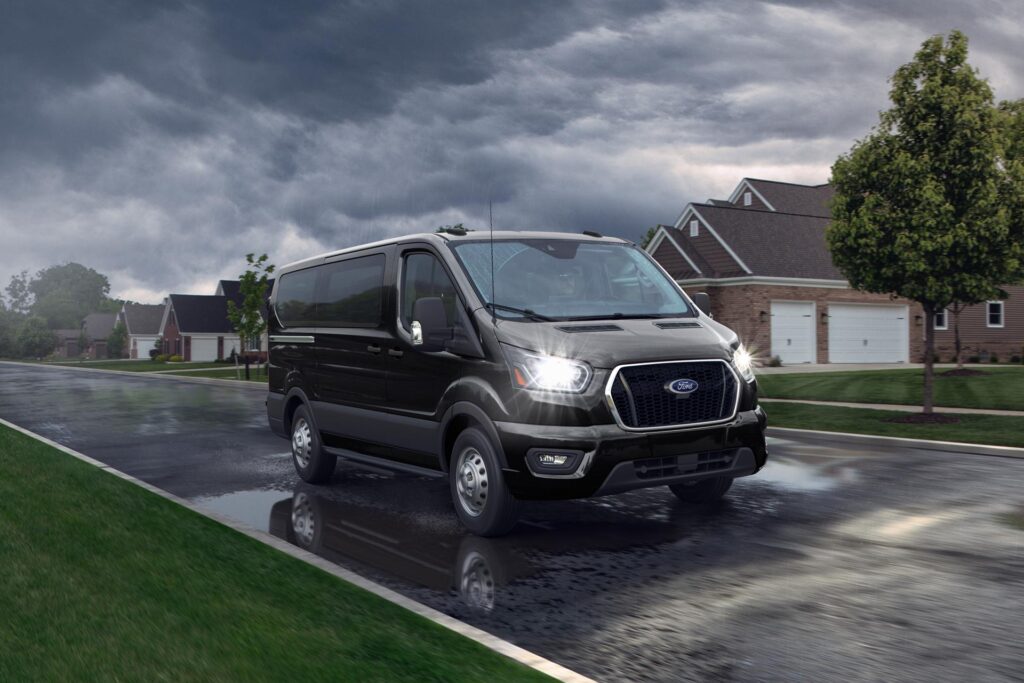
Performance varies with powertrain choice, weight, and wheelbase, influencing acceleration, highway merging, and braking when loaded. The Transit offers configurations that balance payload capacity with everyday drivability, though ride manners can change with length. For best fuel economy, lighter loads and steady speeds tend to help more than aggressive acceleration. The cabin remains quiet enough for working calls and music on longer trips.
Interior design emphasizes practical space for cargo and crew, with modular seating and configurable storage. Noise levels and HVAC performance influence comfort on long runs, especially with full cargo. Ergonomics of switchgear and seating position matter for drivers who spend hours inside. However, some trims can feel polarizing in terms of materials quality relative to premium van rivals.
Technology and safety tech
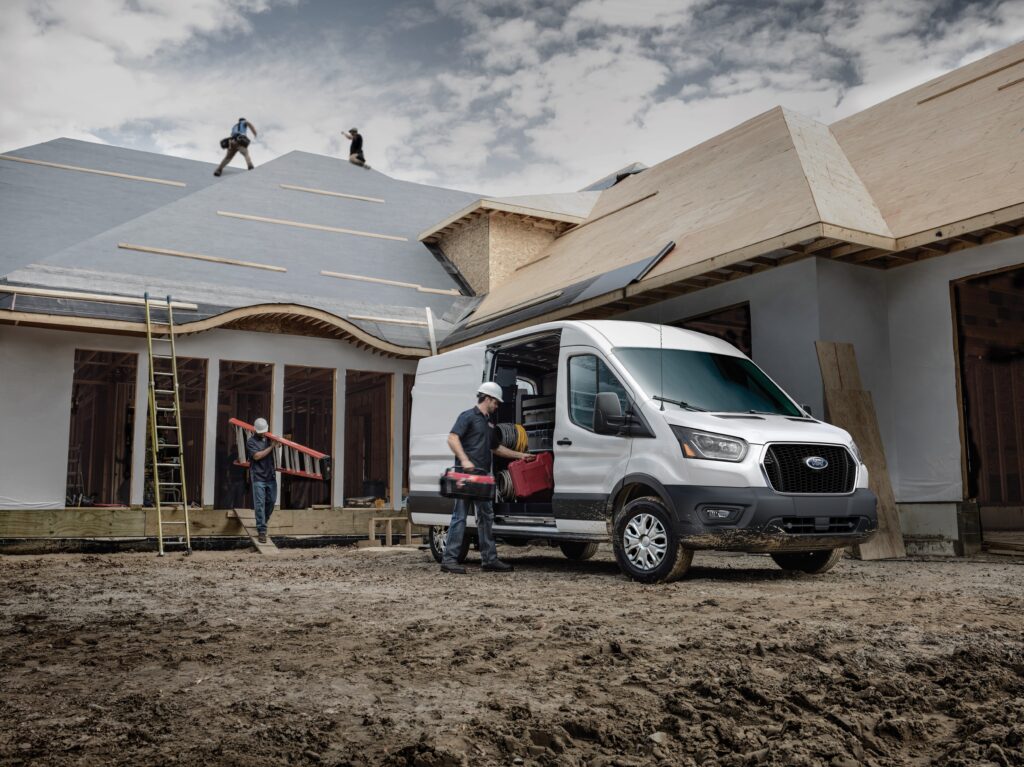
Technology options range from fleet-oriented telematics to driver-assistance suites that include adaptive cruise control and collision warnings, depending on trim and market. Infotainment systems vary in responsiveness and screen size, with integration for business apps and navigation. Safety ratings from agencies, when available, depend on configuration and body style, so verify current results for your specific setup.
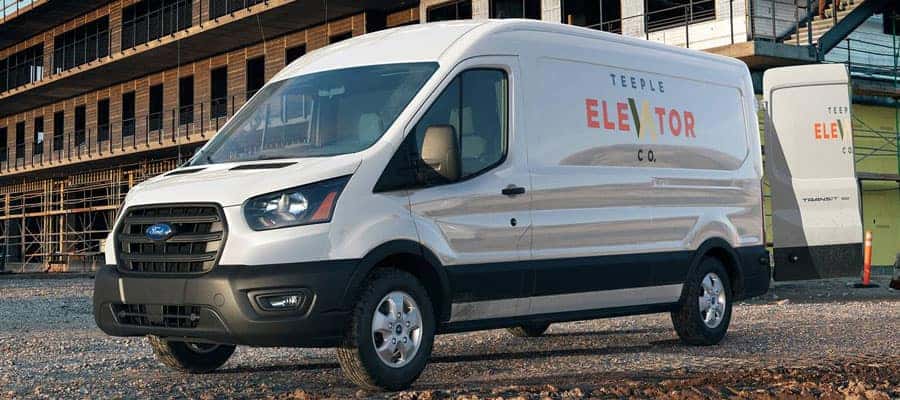
Utility and ownership costs center on cargo versatility, payload options, and the ease of refitting the van for different work roles. Day-to-day operating costs hinge on fuel economy, maintenance needs, and parts availability, while warranty terms and service networks can influence long-term reliability and total ownership expense.
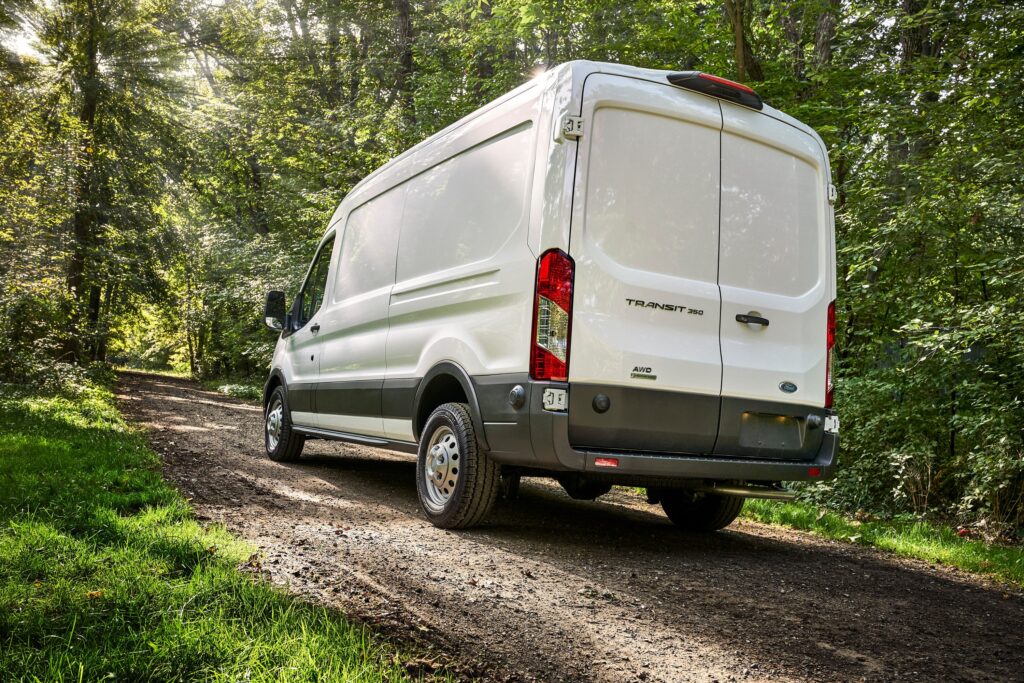
Shoppers should compare the Transit against rivals like the Mercedes Sprinter, Ram ProMaster, and Nissan NV in terms of fuel economy, payload, and total cost of ownership. Reliability evidence remains mixed across configurations, and maintenance costs can vary with powertrain choice. Always verify EPA estimates, safety ratings, and warranty coverage for your specific build before purchasing.