
The 2010 chevy malibu sits squarely in the practical mid-size sedan segment, offering a roomy interior and straightforward technology. For value hunters, used prices can look appealing in well-kept examples. This article guides you through its value story with clear comparisons and checks.
Value seekers in the used-car market notice the Malibu's balance of space, comfort, and modest running costs. In daily driving it delivers a smooth ride and simple controls that are easy to live with. Maintenance tends to be reasonable for an older GM midsize if routine service is kept up. Resale value is generally stable compared with some smaller sedans.
Inside, seating and visibility are practical rather than premium, with generous rear legroom for the class. The dash layout is straightforward, though some late-2000s tech can feel dated by modern standards. Cargo space sits in the middle of the pack and the trunk is reasonably sized for groceries and luggage. Overall, the Malibu prioritizes function over flamboyance.
Bottom Line Up Front
Bottom line: The 2010 Malibu is a solid value for budget-conscious buyers who want a roomy sedan with easy ownership. It doesn't chase luxury, but it delivers comfortable transport with predictable reliability when well maintained. The main trade-offs are modest power from the four-cylinder base and older tech that can feel dated. If you want practicality and cost efficiency, it's a reasonable pick.
The Details Behind the Numbers
Compared with the Toyota Camry of that period, the Malibu typically offered lower upfront cost and easier maintenance. The Camry often shows stronger refinement, quieter road manners, and higher resale value. The Malibu's advantage lies in simpler parts availability and a straightforward feature set that keeps ownership predictable and affordable, especially for buyers who want a straightforward daily driver.
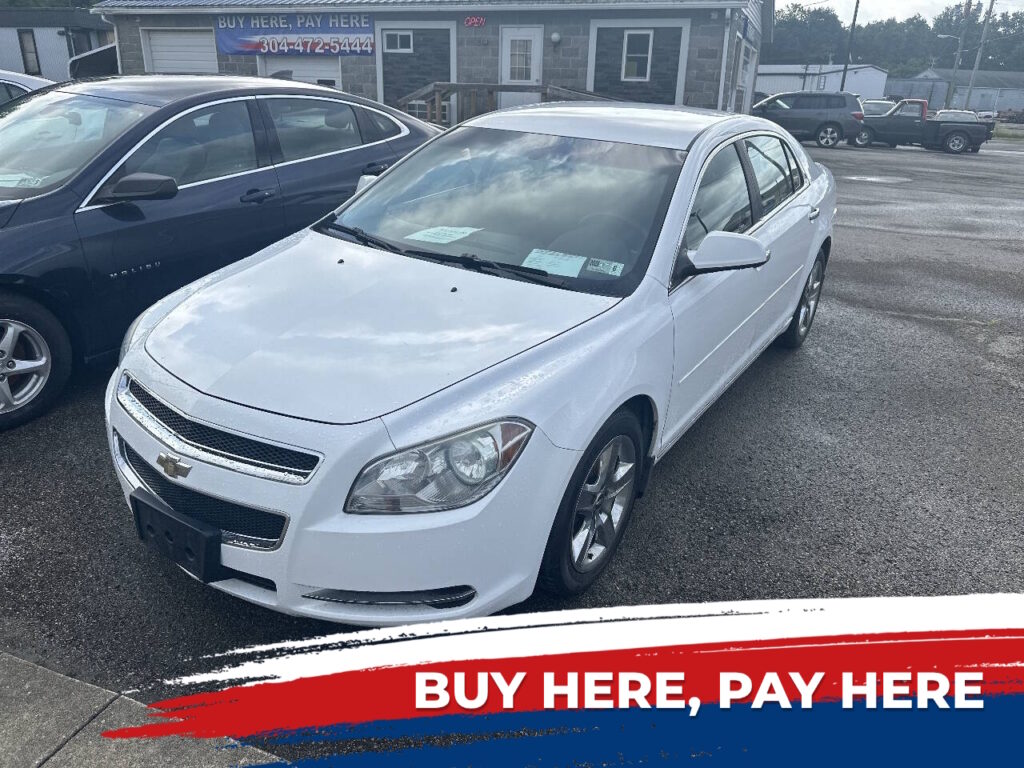
Against the Honda Accord, the Malibu may feel less polished in cabin materials and road noise. It commonly undercuts price, insurance costs, and maintenance, supporting lower ownership spend. The Accord, by contrast, offers crisper dynamics, a more refined interior, and stronger resale value—trade-offs that show up when you live with the car beyond a few test drives.
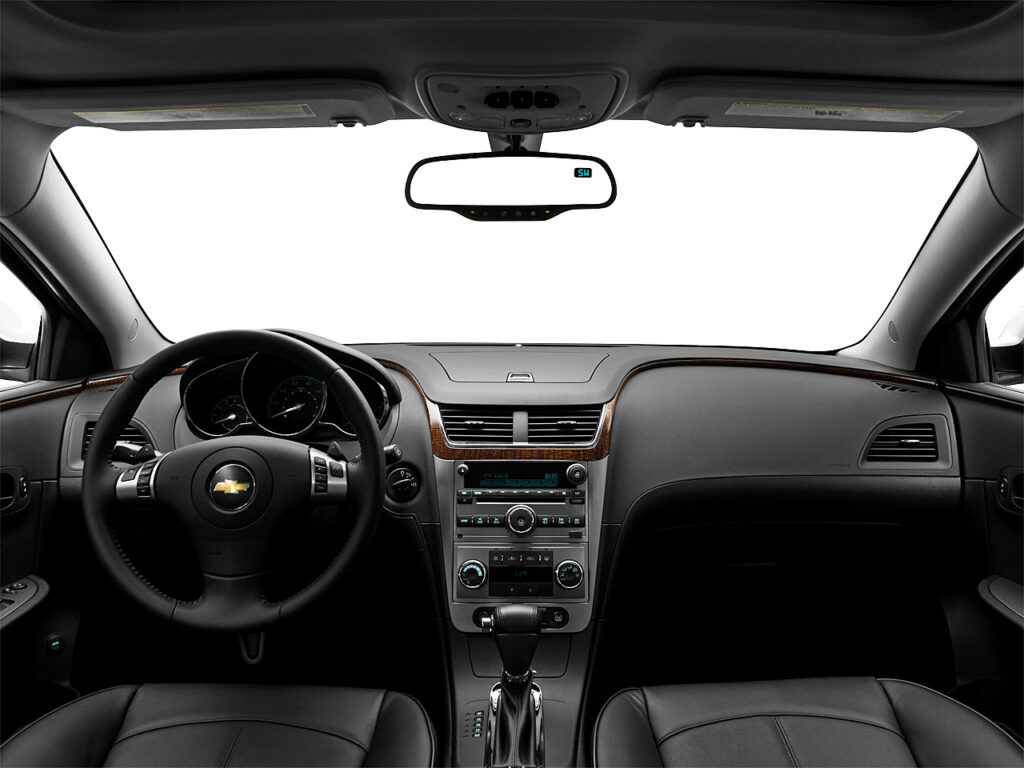
What is good is the space, trunk capacity, and uncomplicated operation. The Malibu also benefits from straightforward maintenance and decent availability of parts. What is not as good includes aging electronics and interior materials that show their age, as well as potential NVH that can feel noticeable on rough roads. Reliability is generally solid for the era when properly cared for, but it isn't a modern design.
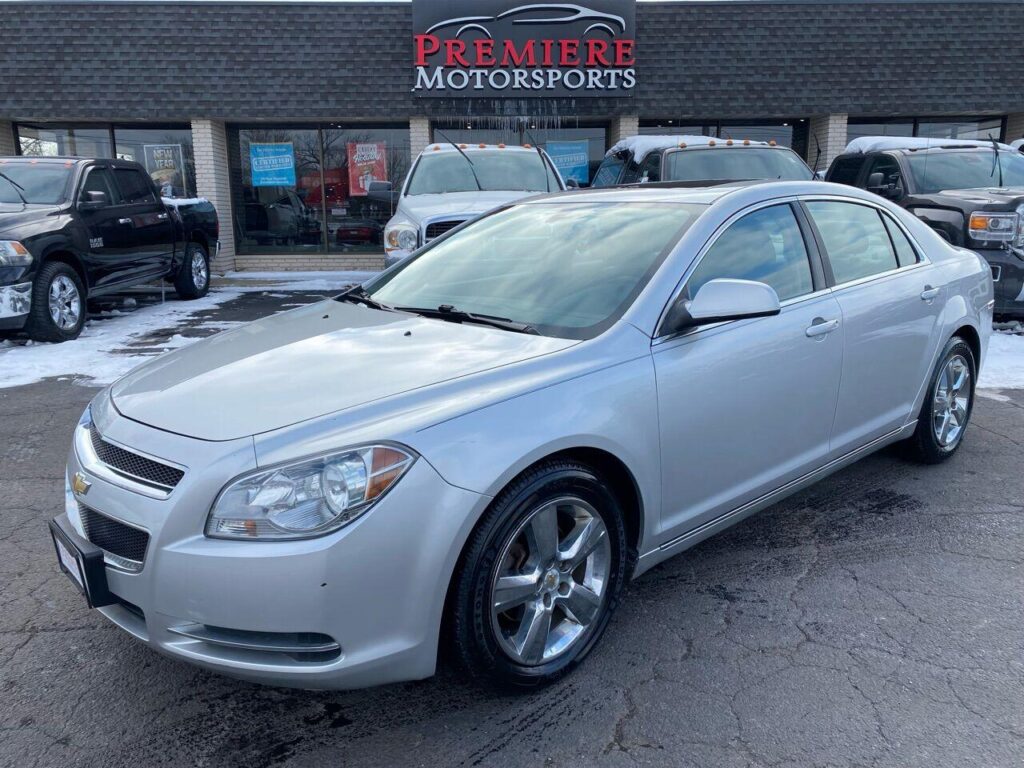
Before buying, listen for smooth transmission shifts and any unusual engine sounds. Inspect the undercarriage and wheel arches for rust, and check for fluid leaks around the engine and transmission. Review maintenance records, especially timing components and transmission service history. Test the air conditioning, heater, and electronics, and confirm tires wear evenly. Finally, verify any outstanding recalls are addressed.


