Key takeaways for a shopper: the RAV4 trims sit on a ladder of comfort and tech, so choosing a level shapes daily use more than a single feature. The Hybrid and Prime variants push efficiency, while the base LE remains solid value with space and Toyota reliability. Real-world use hinges on which features you value most and how much you care about interior feel.
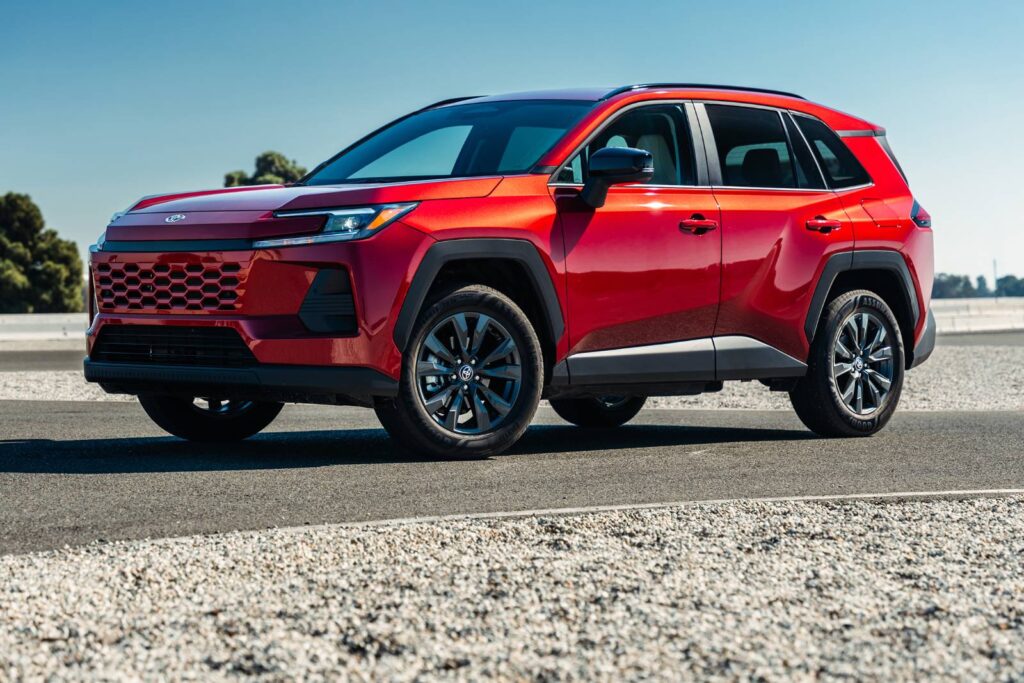
During an everyday commute, the RAV4 trims change how calm the ride feels in traffic. The base LE is predictable and efficient, but the higher trims bring quieter cabins and softer seat cushions. In stop-and-go, the mid-range suspensions feel more composed, helping manage pockmarked pavement. Power delivery remains adequate for merging in city traffic, and hybrids show clear advantages when you’re mostly cruising rather than sprinting.
Trim-level reality
Lower trims favor value: durable cloth seating, manual adjustments, and a straightforward gauge cluster. As you climb to XLE and above, the interior becomes more inviting with better materials and larger screens. The headline features you’ll notice in practice include wireless charging, a nicer infotainment interface, and more driver aids. The difference isn’t just bracing for comfort; it translates into fewer battery- and seat-adjustment compromises during a long day.
Five-passenger comfort stays strong across trims, and rear seating is roomy enough for adults on short trips. The cargo floor is flat when you drop the seats, which helps with groceries or gear. In practice, the higher-trim interiors feel more premium and quieter, while the base remains perfectly usable for daily tasks; the choice mostly shapes comfort on longer drives and weekend getaways.
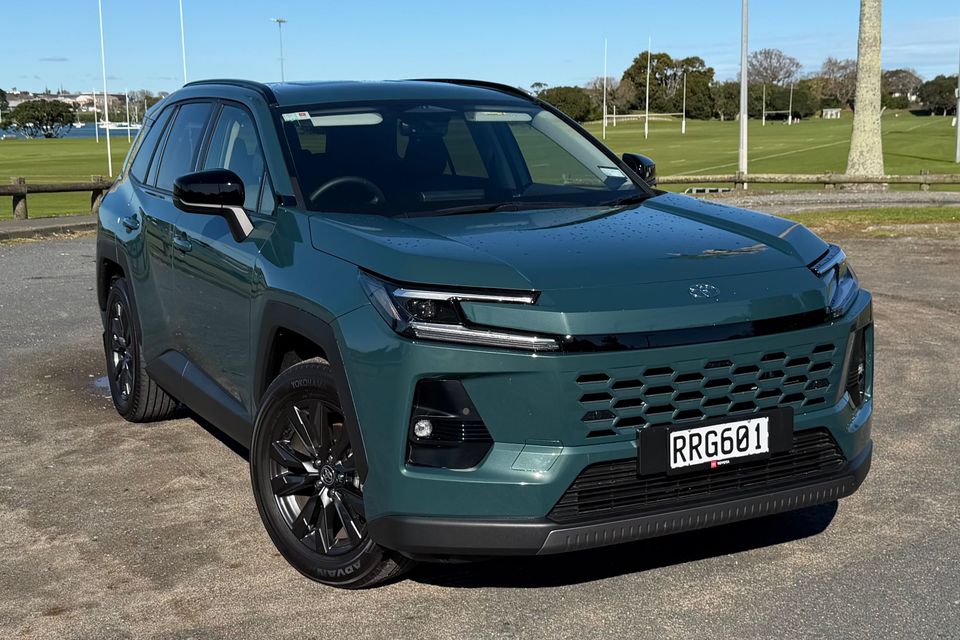
Tech and safety features
Technology and safety: Toyota Safety Sense and the RAV4’s infotainment system shape ownership. Manufacturer claims emphasize automatic emergency braking, lane-keeping, and adaptive cruise control, but independent tests vary in how well these systems perform in real traffic. Apple CarPlay and Android Auto are standard in most trims, while higher trims add a bigger touchscreen and better audio. Owner feedback is mixed on the learning curve of the interface.
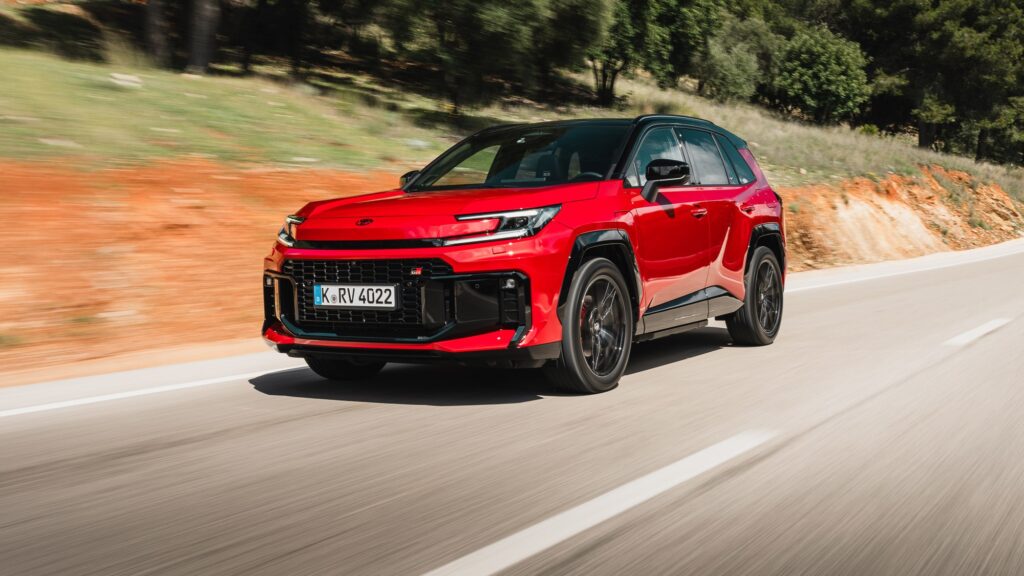
Fuel economy and EV range: Hybrid and Prime variants change your daily bill and driving feel. The hybrid’s real-world miles-per-gallon depend on city vs highway use and tire choice, with many owners reporting more efficiency in mixed use. The Prime plug-in offers some electric range, but charging availability and driving style determine how far you’ll go on electricity before the gas engine joins in. Official range figures should be verified with an authoritative source.
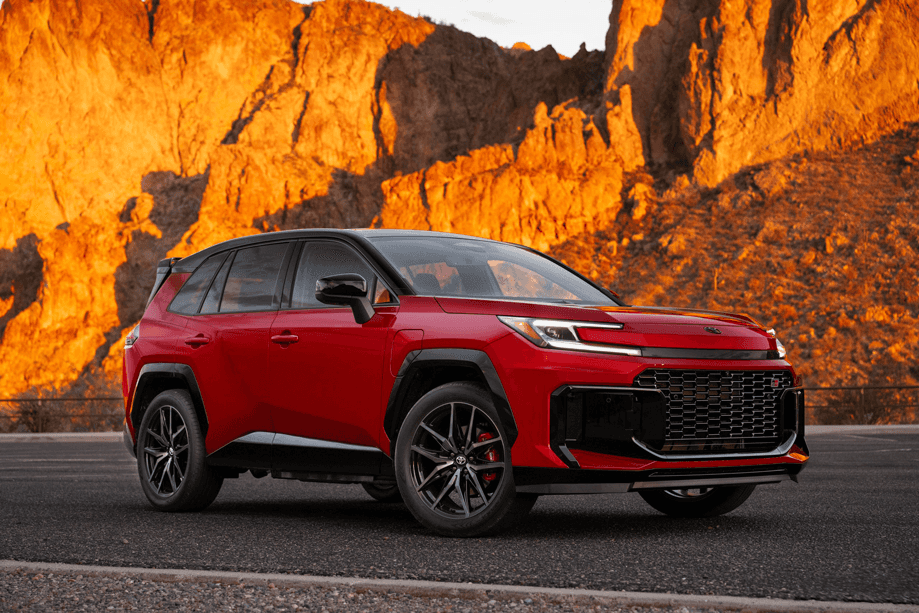
Maintenance, reliability, and ownership: Toyota’s history suggests solid long-term reliability, but the 2026 model’s specific reliability data should be checked with Consumer Reports or J.D. Power as it ages. Expect routine maintenance to be straightforward and generally affordable, with potential trim-level differences in standard warranty and included features influencing ongoing costs. Editorial observations note that the best-value path often centers on a well-equipped mid-range trim rather than the top-of-the-line badge.