
Signs on dash light up like a dashboard map when you’re towing or hauling. This road-test inspired guide cuts through the jargon, explaining which lights and gauges signal overload, heat, or strain, and how to respond to keep your rig safe and efficient.
On a road with a trailer, you are not just steering you are managing momentum, temperatures, and brake response. Signs on dash tell you when your cooling system, transmission, or brakes are working overtime. The goal is to recognize the early cues before performance drops or component wear accelerates. Towing habits often determine the life of drivetrain and tires.
Most buyers ask whether a vehicle's dash indicators are sufficient for towing tasks or if a dedicated heavy-duty model is needed. The answer depends on load, distance, and terrain. For light to moderate trailers, modern gas or diesel pickups with Tow/Haul and trailer braking systems are usually capable. For frequent, long, or oversized hauls, vehicle selection matters as much as warning accuracy.
Critical indicators
Feature One: Tow/Haul mode adjusts shift timing and throttle response to maximize torque retention and engine braking. In practice, engagement keeps the engine in an appropriate range for sustained grades, reducing heat buildup. The trade-off is slightly higher RPM under load and sometimes reduced fuel economy, so you should weigh efficiency against control on hills.
Brake and trailer cues
Feature Two: Trailer brake controllers and brake warning indicators. A properly set trailer brake controller helps match truck braking to the trailer load, improving stability. Dash indicators help you confirm controller operation, and ABS/ESC systems intervene when sway is detected. The downside is potential miscalibration that can cause either jackknifing risk or excessive trailer braking on gentle stops.
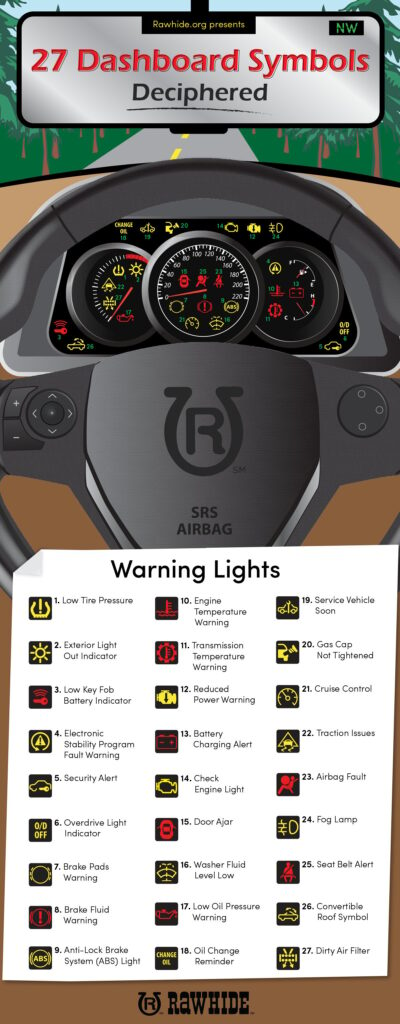
Feature Three: Gauges and driver feedback. Engine temperature, transmission temperature, oil pressure, and voltmeter readings guide you through a tow. If temps rise toward the red zone, throttling back and pulling over is wise. Digital readouts and alerts reduce guesswork but require you to pause and interpret in real time, blending data with driving conditions.
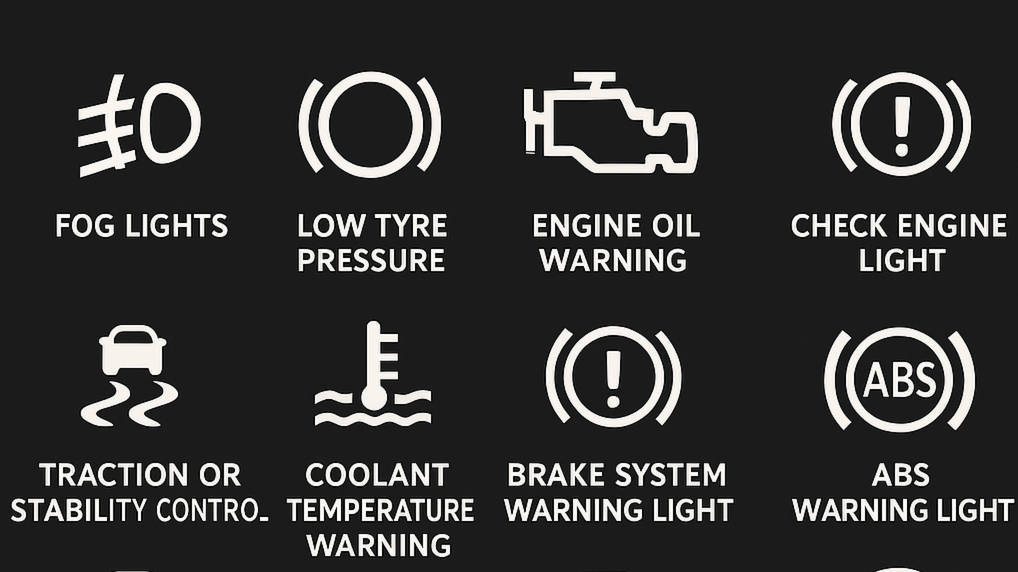
Ultimately, it stacks up best for light-to-moderate towing in midsize and full-size pickups with integrated Tow/Haul and trailer signals. Modern systems emphasize readability and predictable behavior, while older setups rely on basic gauges. For occasional towing or weekend campers, these packages offer solid balance of comfort and capability. For frequent long hauls with heavy trailers, a dedicated HD option with robust cooling and suspension usually suits the job better.
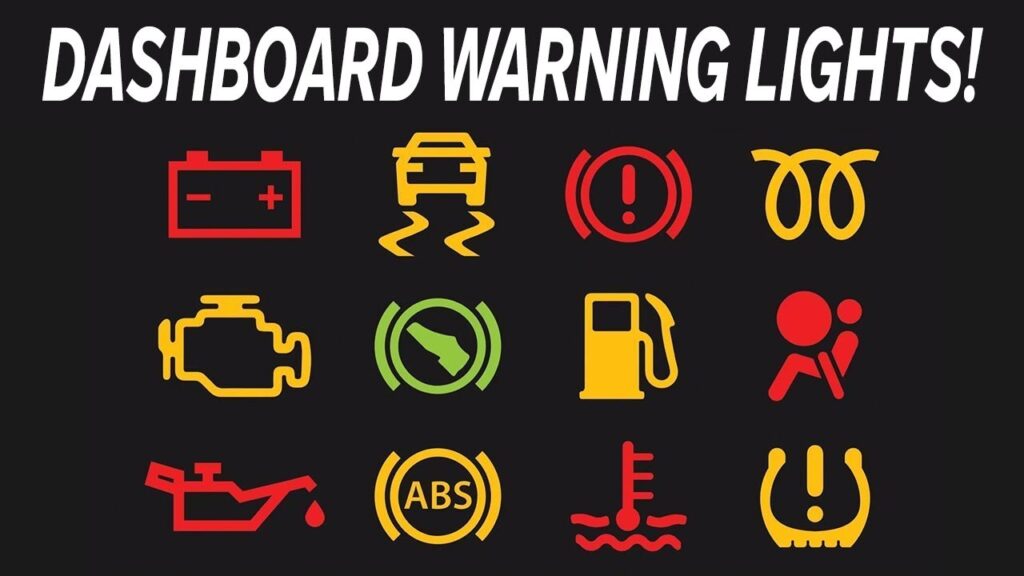
Final Thoughts: Signs on dash offer practical cues for towing, but they aren't a substitute for maintenance or planning. Interpret temperatures, brake signals, and transmission behavior together, and adjust speed and loads accordingly. When in doubt, consult the manual or a dealer before entering a heavy hauling situation. FAQs: Do dash warnings mean immediate danger? Not always, but they merit attention and a quick check of the system.


