
residual cost lease is a financing approach centered on the vehicle’s end-of-term value, which lowers monthly payments for hybrids by shifting depreciation into the lease. It can offer predictable budgeting and familiar maintenance expectations, though end-of-lease charges may apply for mileage or wear. This overview explains how it works and what buyers should consider.
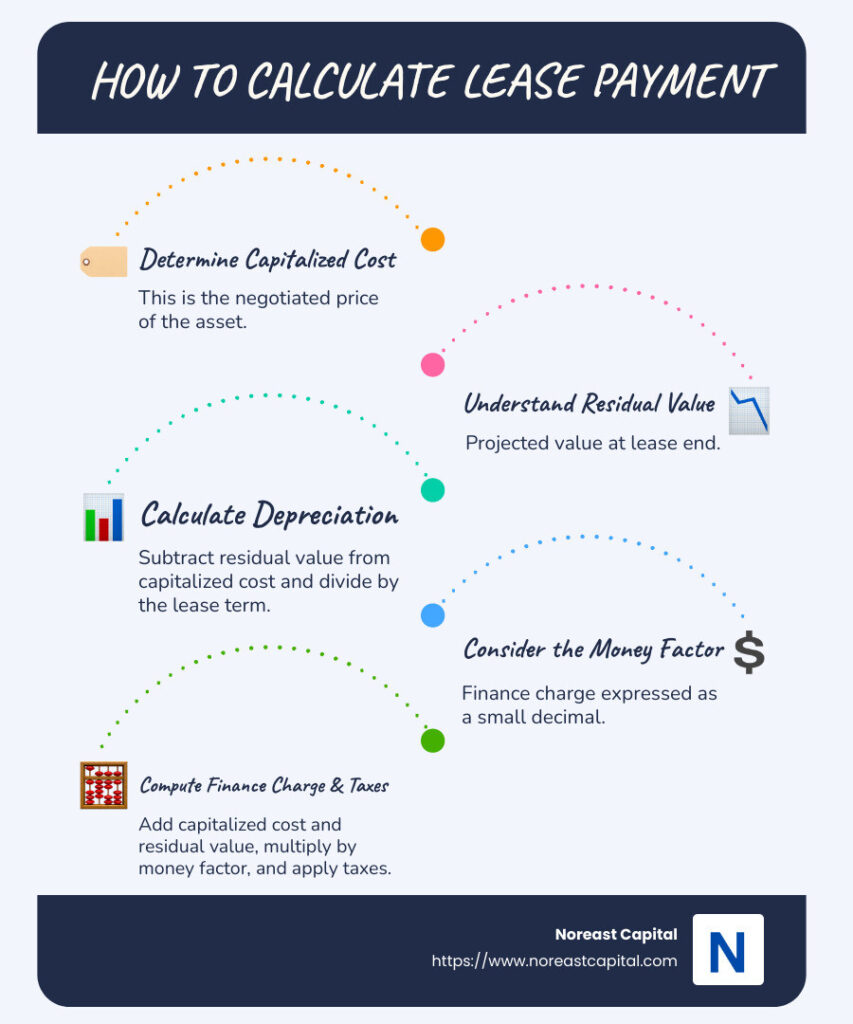
In a residual cost lease, the monthly payment is primarily determined by the difference between the vehicle’s negotiated price and its projected residual value, plus interest. The residual value is a forecast of what the car will be worth at lease end, and it is a critical factor that can make the monthly cost more affordable. Because hybrids generally hold value well thanks to efficiency demand and improving battery technology, the residual can be favorable, reducing the monthly obligation.
However, the contract often carries mileage caps and wear criteria that can trigger end-of-lease fees or required repairs if you exceed expectations, so plan accordingly.
This structure suits buyers who expect moderate annual mileage, want predictable monthly payments, and prefer not to commit to purchase immediately. It keeps up-front costs manageable and preserves options at term end, such as returning the car, buying it, or starting a new lease. For hybrids, residual estimates hinge on battery warranties, anticipated maintenance costs, and how the market values energy-efficient powertrains as technology evolves. Analysts monitor model refresh cycles, regional demand for green vehicles, and the pace of charging infrastructure, all of which feed into the end-value projection.
The Key Takeaways
Lower monthly payments are a primary benefit when the residual value is strong, especially with hybrids that retain appeal. End-of-lease flexibility remains a practical advantage, allowing an easy move into a newer model or a different drivetrain. The trade-offs include mileage limits, wear charges, and the possibility that buying the car at the end may cost more than anticipated if battery or system upgrades occur. For buyers who intend to switch brands or move to plug-in hybrids with longer electric ranges, the option to lease again can be appealing.
Core Facts
Residual value is a forecast used to calculate lease payments. Mileage limits, wear-and-tear rules, and the money factor shape total cost, while battery warranties and hybrid technology lifecycles influence depreciation estimates. This approach works best for buyers who want predictable expenses and plan to transition to a different vehicle at term end, rather than remaining in the same car for many years.

In real-world use, residual cost leases can noticeably lower monthly obligations on hybrids with solid desirability and resale confidence. The predictability helps households budget around a known payment, insurance, and fuel consumption. Battery warranties and hybrid reliability play into residual estimates, supporting a smooth ownership experience for the lease term. That stability matters when fuel prices swing or when automakers debut new powertrains with higher efficiency, because the end value can shift with market perception.
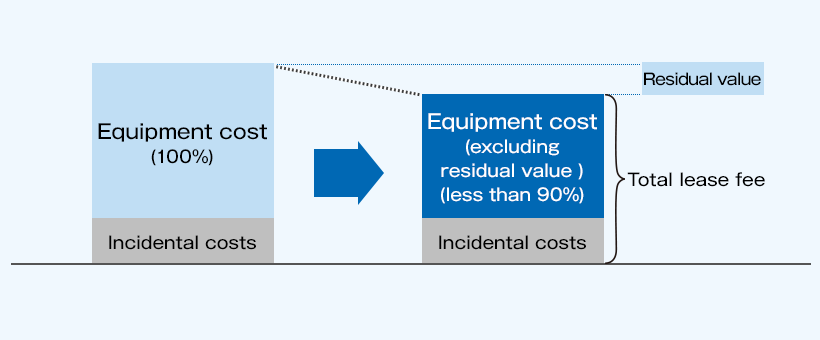
Practical Strength: A high residual is the engine of savings, translating to lower payments and easier approval for some buyers. You typically avoid the risk of depreciation during the term, which matters if you plan to upgrade regularly. Efficiency remains a factor but is not guaranteed by the lease alone, although hybrid powertrains with strong real-world mileage can bolster residuals.


