Cars from the 80s are still a topic of debate among enthusiasts. This guide separates enduring realities from common myths and looks at the technology that defined the decade. From carburetors and simple diagnostics to early digital dashboards and ABS, the era reshaped how we own, repair and enjoy a car today.
Quick Answer
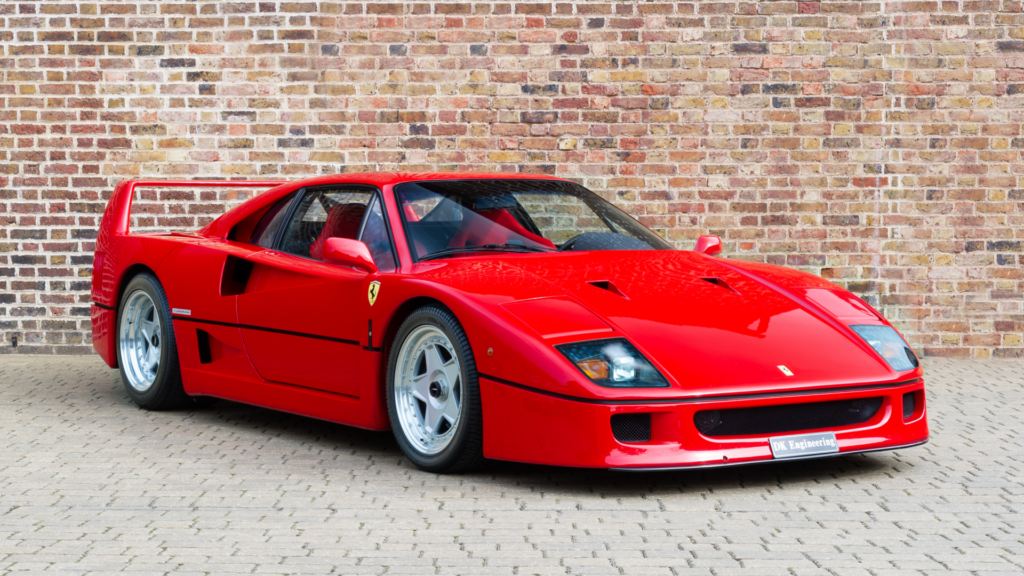
80s cars are often seen as fragile due to newer electronics, but reality shows they can be robust with routine care. They remain approachable for DIY maintenance, yet late-decade models introduced electronic fuel injection and ABS on mainstream trims. The era rewarded solid chassis and straightforward layouts, though parts shortages and rust on aging examples were common.
What It Is and Why It Matters
Key characteristics of 80s cars include a mix of traditional and emerging technologies. Early models leaned on carburetors or early fuel injection, simple ignition systems, and standard steel bodies with modest computer integration. Interior layouts favored driver familiarity, with analog gauges and tactile switches. By the mid to late decade, ABS began to spread, turbocharged variants gained traction, and compact models pushed front-wheel drive into more mainstream households.
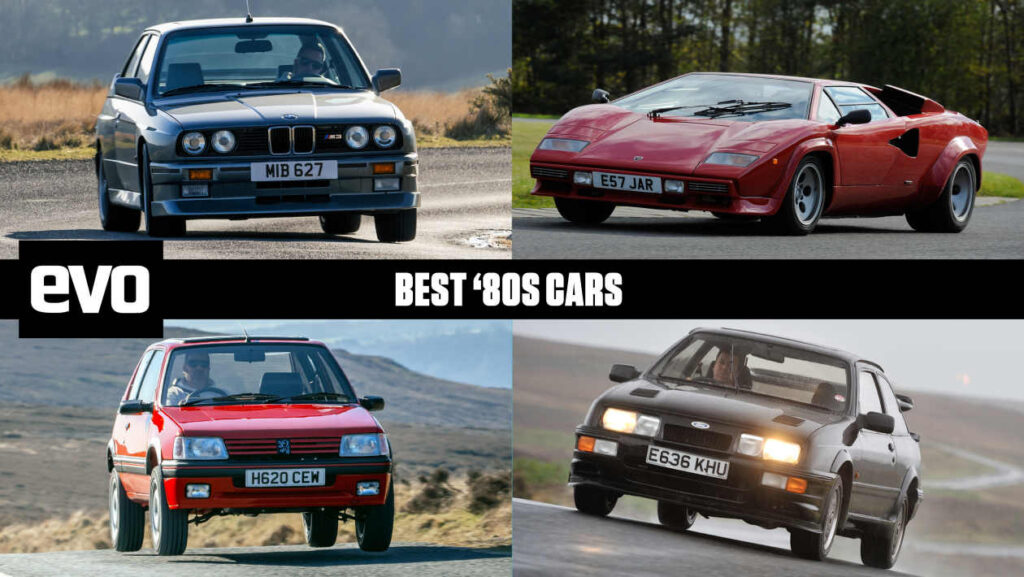
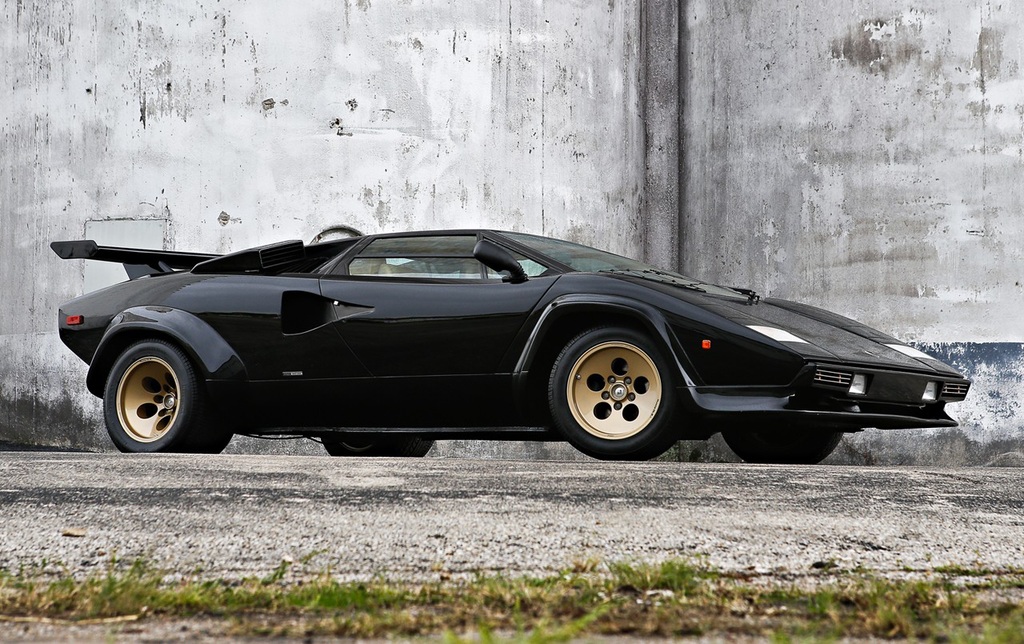
Strengths of 80s technology include mechanical accessibility, reasonable durability, and a vibe that connects owners to the era. Many models feature straightforward engines, simple cooling and fuel systems, and dependable transmissions that are easy to rebuild. The period also delivered driving dynamics you can feel tangible steering, satisfying manuals, and a chassis that rewards attentive handling. Myth vs reality notes that safety kept pace slowly, with airbags sparse and ABS not universal.

Practical considerations when exploring cars from the 80s include checking for rust, previous body repairs, and the availability of service manuals and aftermarket parts. Budget for imperfect fuel economy, shifting ride quality, and aging electronics. In the end, these cars offer a strong historical narrative and engaging ownership, where the trade-off is ongoing maintenance versus a vibrant, nostalgic driving experience. Final takeaway: they reward curiosity, hands-on care, and a clear sense of automotive history.