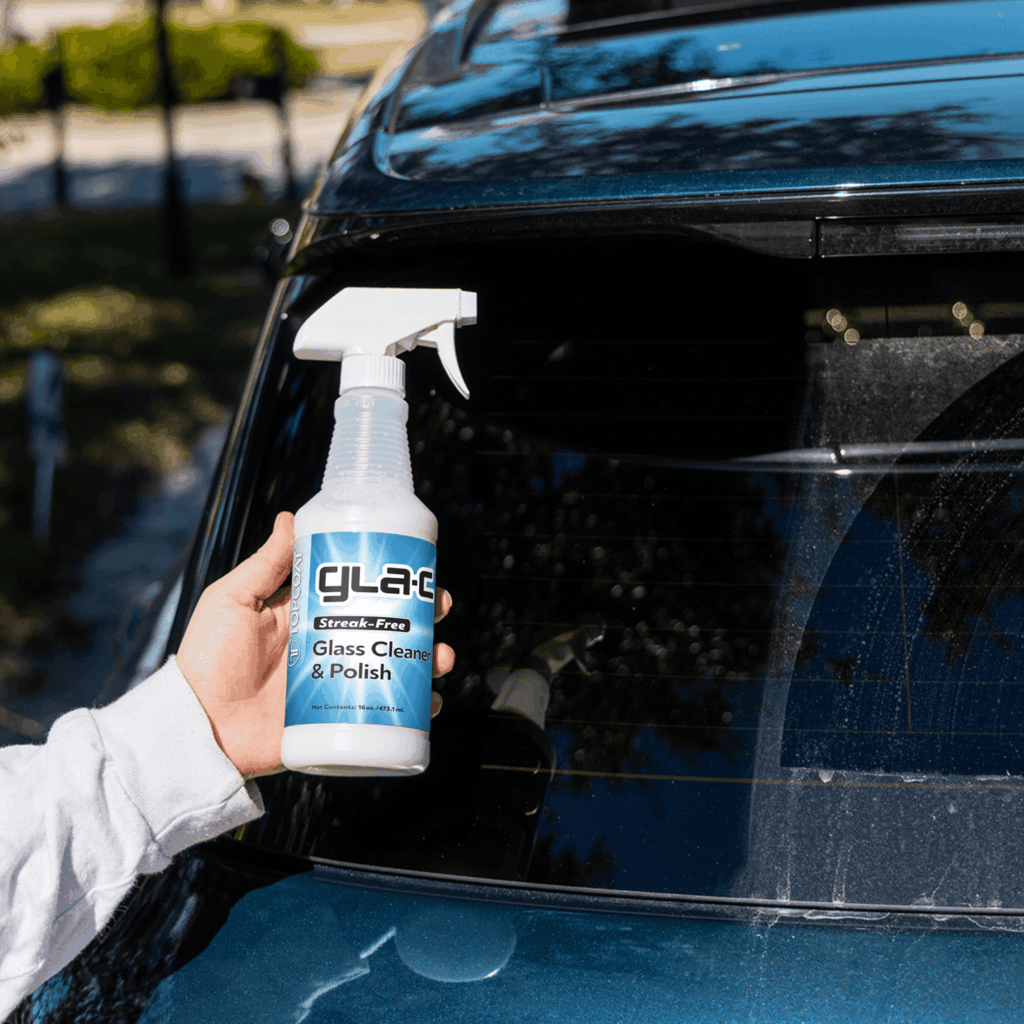
In the Trim Level Guide era, choosing the best glass cleaner for cars isn’t just about the brand; it’s about tint safety, coatings, and how a cleaner fits your daily drive, whether you commute in a glare-prone city or tackle weekend projects.
Myth: you need a high-priced formula to avoid streaks. Reality: most streaks come from improper technique, not expensive chemistry. Non-ammonia formulas can be safe for tinted glass, but they still require careful wiping with a microfiber. Ammonia-based cleaners cut through grime on bare glass, but they can haze coatings or tint when misused.
Myth vs Reality
From a trim-level perspective, higher-end models don’t automatically demand fancier cleaners. The glass on most mainstream trims is standard laminated glass with tint options that respond well to carefully chosen products. The reality is more about surface prep: wipe with a clean microfiber, apply a thin layer, and avoid circular buffing that can smear the glaze. For coated or ceramic-tinted surfaces, select a formula labeled safe for coatings.
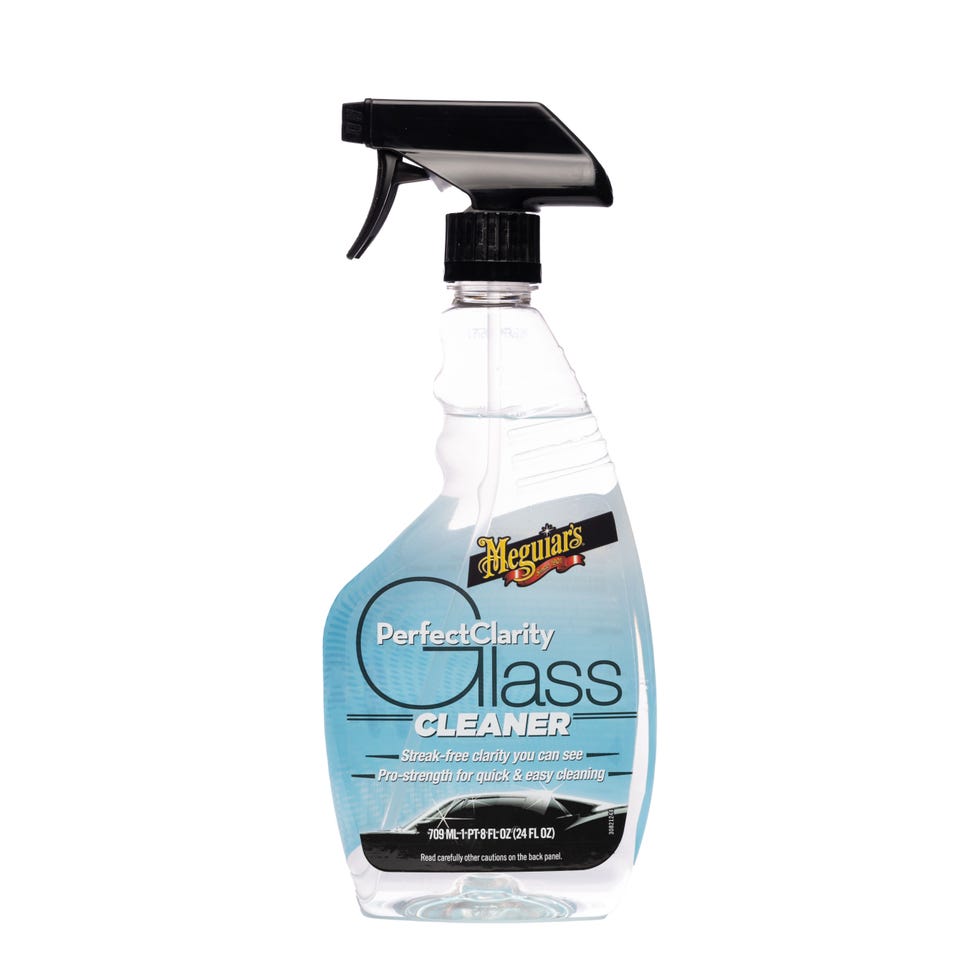
Key specifications to check include pH balance, VOC content, and whether the formula leaves a film. A fine-mist spray helps avoid over-wetting delicate surfaces, while a non-streak finish saves time on long drives. Ensure the product is labeled safe for tinted glass and coatings, and note any cautions about plastics or gaskets near the seals. Also verify that the bottle design minimizes drips when stored in a sunlit glove box.
Alternatives Worth Considering
Similar Option One emphasizes ammonia-based performance. It often cleans greasy grime quickly and can yield a perfectly clear pane with minimal wiping. The trade-off is potential irritation to eyes and skin during application, plus a higher risk of tint or coating hazing if used aggressively or on very hot days. This option tends to work well on older vehicles with basic glass but may be less friendly to modern ceramic coatings.
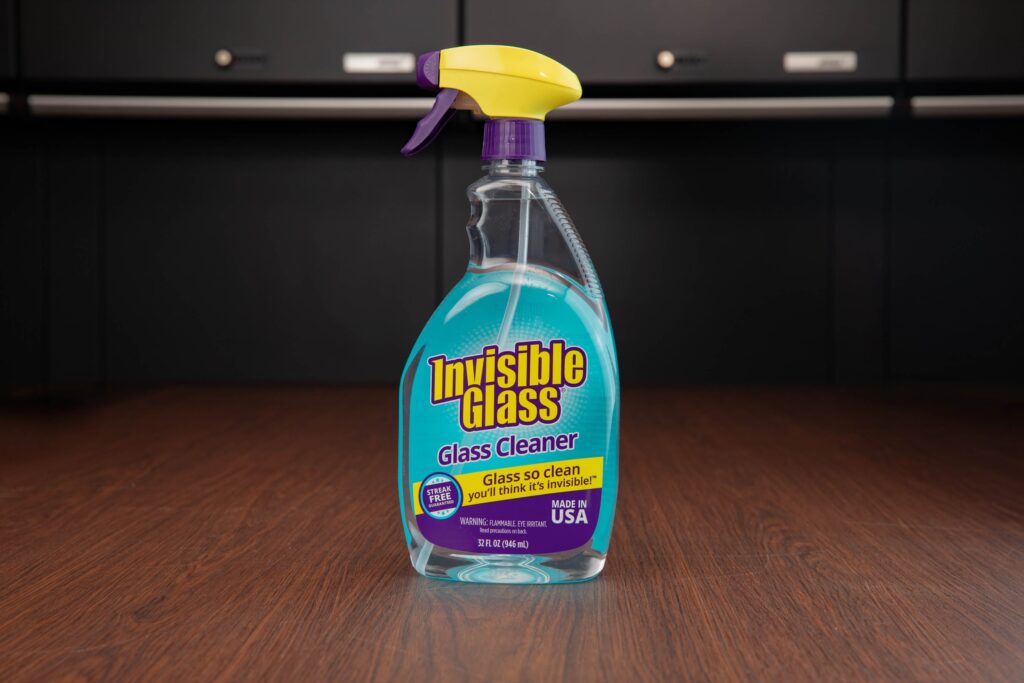
Similar Option Two emphasizes non-ammonia, coating-friendly formulations. It typically offers safer tint compatibility and lower odor, with a focus on streak-free performance. The flip side is that it may require closer attention to technique or more frequent reapplication, and it can be less aggressive on heavy grime than ammonia-based cleaners. For vehicles equipped with premium coatings or privacy glass, this family of cleaners is usually a better fit.
Ultimately, the choice comes down to your trim level, climate, and how you value ease of use vs. coating safety. The myth that only expensive, brand-new formulas deliver pristine glass isn’t accurate; the reality is that compatible products paired with proper technique yield reliable visibility. By prioritizing surface safety, application comfort, and real-world maintenance, you can keep windshields clear without sacrificing the rest of the vehicle’s trim or interior.