
Choosing a dedicated car wash kit matters for hybrids and plug-ins, where water-smart cleaning protects sensitive powertrain components. A thoughtful kit streamlines routine maintenance, supports safe underbody care, and helps keep sensors and cooling vents clear of debris.
Hybrid vehicles blend electric propulsion with internal combustion, which adds nuance to cleaning. A purpose-built kit emphasizes low water usage, non-corrosive cleaners, and soft textiles to avoid scuffs on paint, sensors, undervehicle panels, and seam edges around the cabin. Routine maintenance with the right tools helps protect battery cooling pathways, complex sensor housings, and the electronics that live under the hood and near the wheels. Maintaining these systems with care can preserve efficiency, prevent costly maintenance surprises, and support reliable operation as the vehicle cycles between electric and gas driving.
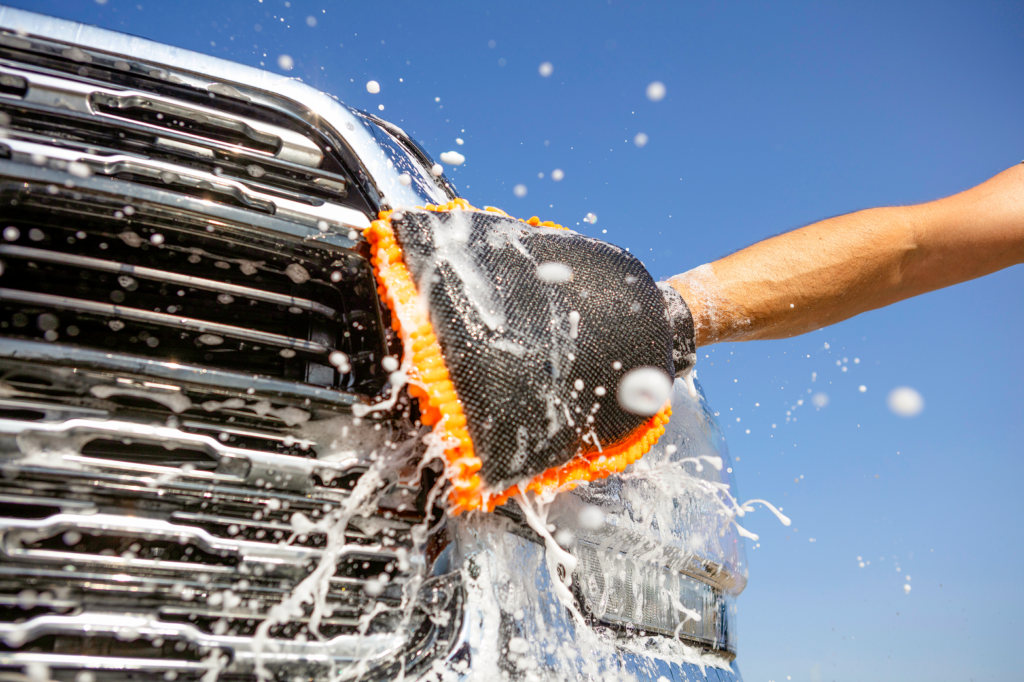
At the core, a practical hybrid-focused kit prioritizes gentle, efficient cleaning. Essentials include pH-neutral soap, microfiber wash mitts, lint-free drying towels, and a wheel cleaner safe for aluminum finishes. A spray wax or sealant reduces the number of steps, while a detailing brush, grit guards, and a clean storage bag help reach tight spaces without scratching sensitive panels. A waterless rinse option is useful for urban garages and apartment dwellings, and many kits emphasize anti-static cloths to minimize dust pickup.
What You Get
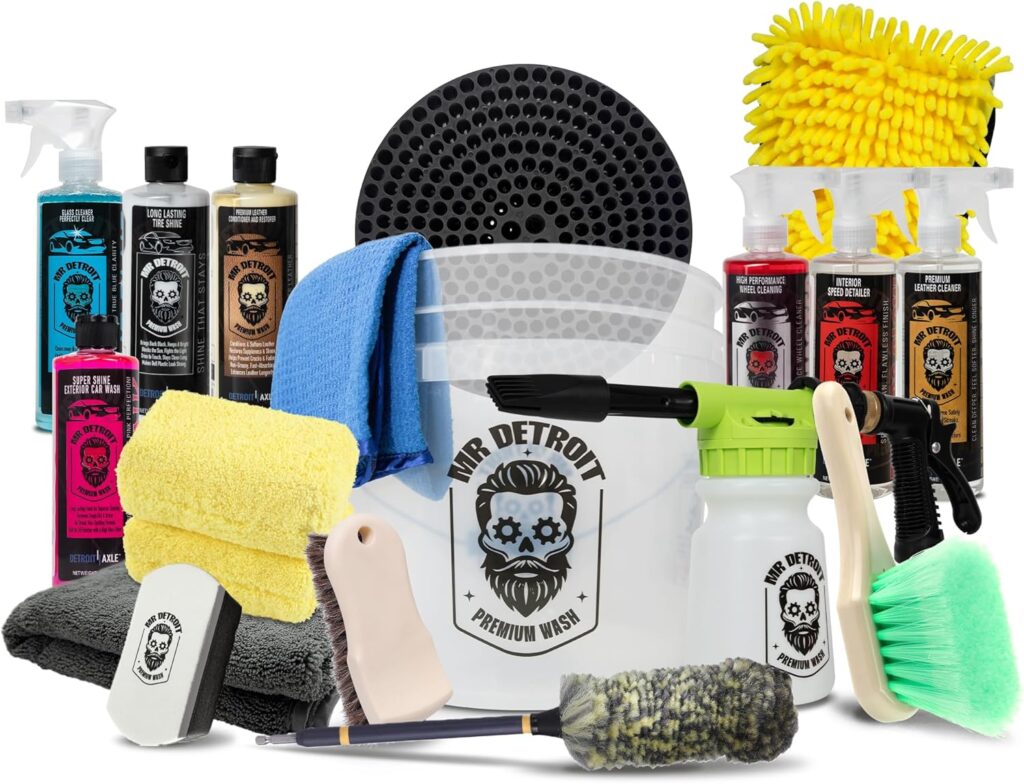
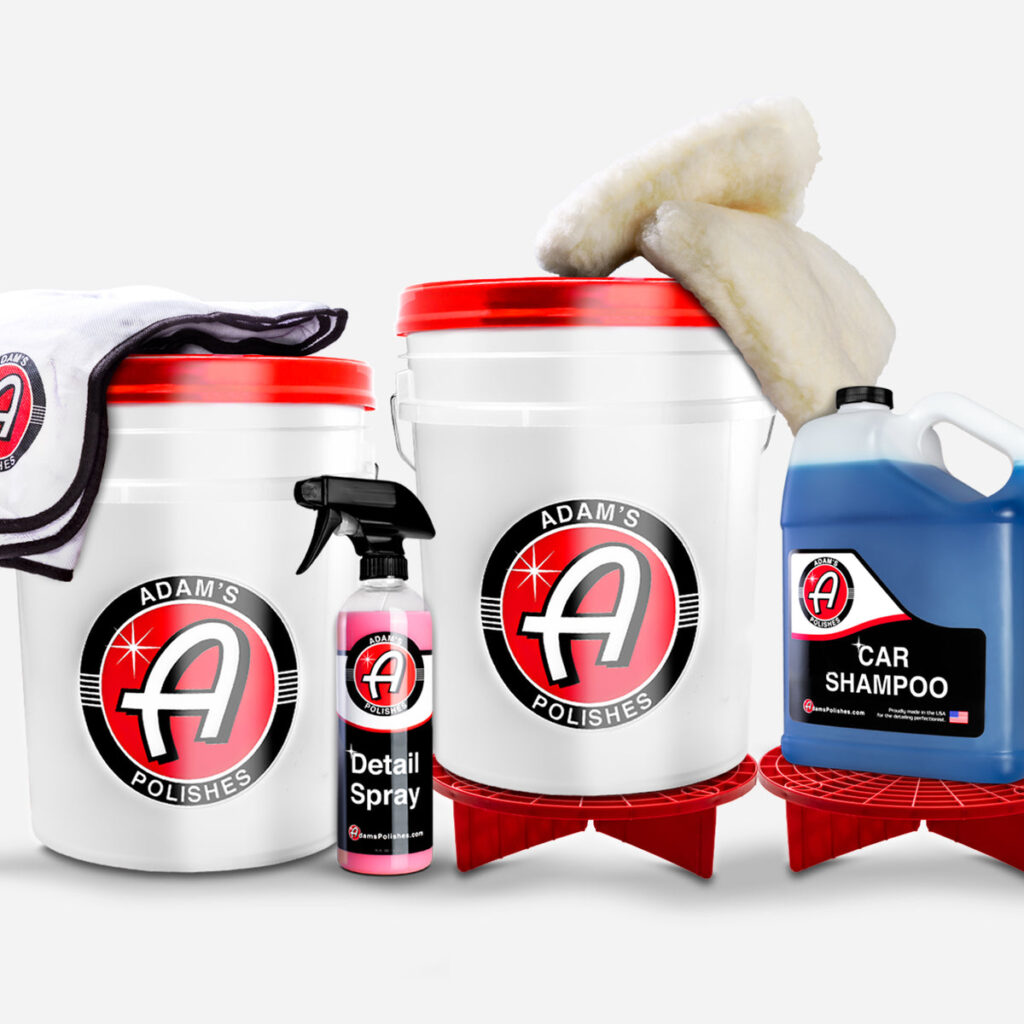
A typical kit ships with soap, a wash mitt, several microfiber towels, a wheel cleaner, a drying aid, and a spray or wax product. It often includes a bucket, grit guards, a detailing brush, and a collapsible storage bag. For hybrids, manufacturers may offer sensor-safe tools, and some kits add a compact portable vacuum to help keep the cabin clean. Optional add-ons may include a sulfur-free tire shine, a clay bar, and a magnetic scraper for vents.
What Changes by Configuration
Configurations range from basic, mid, to premium, and each level trades off cost, size, and convenience. A basic kit typically emphasizes waterless spray, a light-duty soap, and essential towels. Mid-tier options add stronger cleaners, a sealant or wax, a second set of towels, and a more robust spray applicator. Premium bundles may include a portable vacuum, an extendable wash brush, a dedicated bucket with a built-in strainer, sensor-safe tools designed for compact spaces, and a compact LED work light.
From a performance perspective, a well-chosen kit reduces wash time and minimizes the chance of paint damage. It can lower water usage, which is beneficial for municipal restrictions and urban living. Pros include convenience, better finish protection, and reusability of tools; cons include upfront cost, potential overstock if you buy too many options, and the need for storage space, especially in smaller hybrids or apartments.
Where It Has an Advantage: Hybrid-focused kits typically tailor cleaners and tools to protect powertrain and undercarriage elements, while staying compact enough for trunk storage. They emphasize sensor-safe brushes and low-residue formulas that minimize streaks on plastic and glass. Where Rivals Differ: Competing options may prioritize deep wax layers or professional-grade accessories, but often demand more space, longer use cycles, and higher upkeep, which reduces practicality for daily driving.
Final Take: A car wash kit tailored to hybrids should balance cleaning efficacy, water efficiency, and storage practicality. Pick a configuration that fits your space, climate, and driving habits, with priority given to sensor-safe tools, non-abrasive products, and a compact storage solution. With thoughtful selection and regular upkeep, a solid kit keeps hybrids looking sharp, protects delicate components, and makes routine washes efficient and environmentally responsible.


