
The 1970 era fused raw mechanical drama with evolving engineering. This engine and powertrain guide explains how power was generated, how gearings and carburetion shaped performance, and what owners should know to keep classic V8s lively and reliable in daily use.
In 1970, many sport cars used V8 engines paired with sturdy manuals and lightweight chassis to maximize driving feel. Carburetors delivered throttle response, while early mechanical fuel injection appeared in select high-performance models. The powerband often lived high in the rev range, rewarding precise shift timing and attentive throttle control. Simpler fuel systems meant easier tuning, but also more constant maintenance.
Engine placement, axle position and weight distribution mattered as much as displacement. Most 1970 sports cars used rear- or rear-mid layouts to sharpen steering and turn-in, trading some ride comfort for agility. Drivetrain packaging affected cooling, nose rotation, and tire wear, so designers balanced performance with practicality. The usual choice was a four-speed manual, with some performance models offering a fifth gear for highway cruising.
The Important Details
Key powertrain details include cylinder count, displacement strategy, and how fuel was delivered. Most 1970 sports cars relied on pushrod or overhead-valve V8s and flat-six layouts with carburetors or early mechanical injection. The engine's breathing—through intake, headers, and exhaust—determines torque distribution and high-rpm stability. Gear ratios and clutch behavior shape throttle response and driveability in both city traffic and winding back roads.
Why Those Details Matter
Maintenance realities include regular fuel-system tuning, carburetor synchronization, and periodic valve adjustments that were routine in the era and still matter today. Accessing parts for a 1970 powertrain often requires specialty shops or careful sourcing, but the fundamental skills—torque, timing, and seal replacement—translate well. Budget planning for wear items such as hoses, belts and gaskets helps keep a vintage racer road-ready.
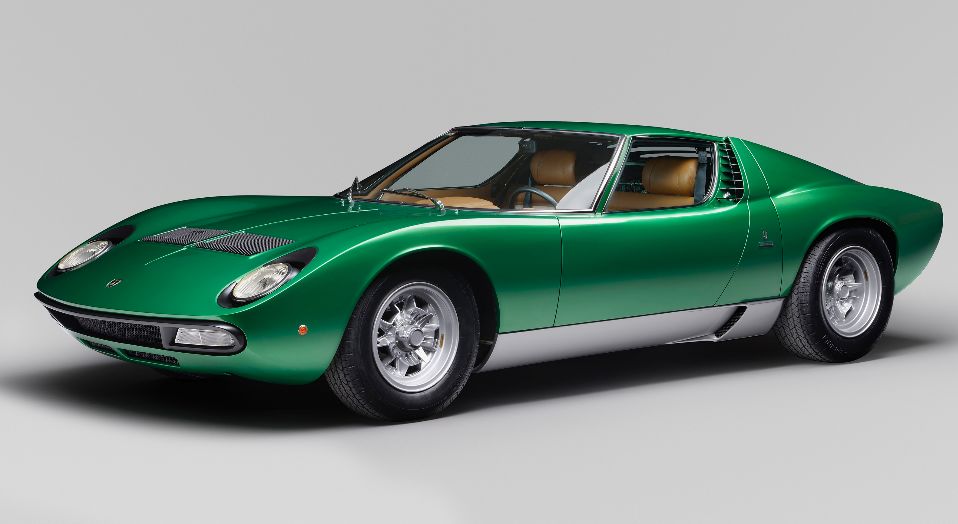
Everyday driving a 1970 sports car is a tactile experience. The engine can feel peaky, and throttle response rewards smooth, deliberate inputs. Clutch engagement is often heavy compared to modern cars, and gear shifts require a careful, positive motion. Cabin noise and vibrations remain part of the charm, so owners learn to listen for the engine's breathing rather than just the speedometer.
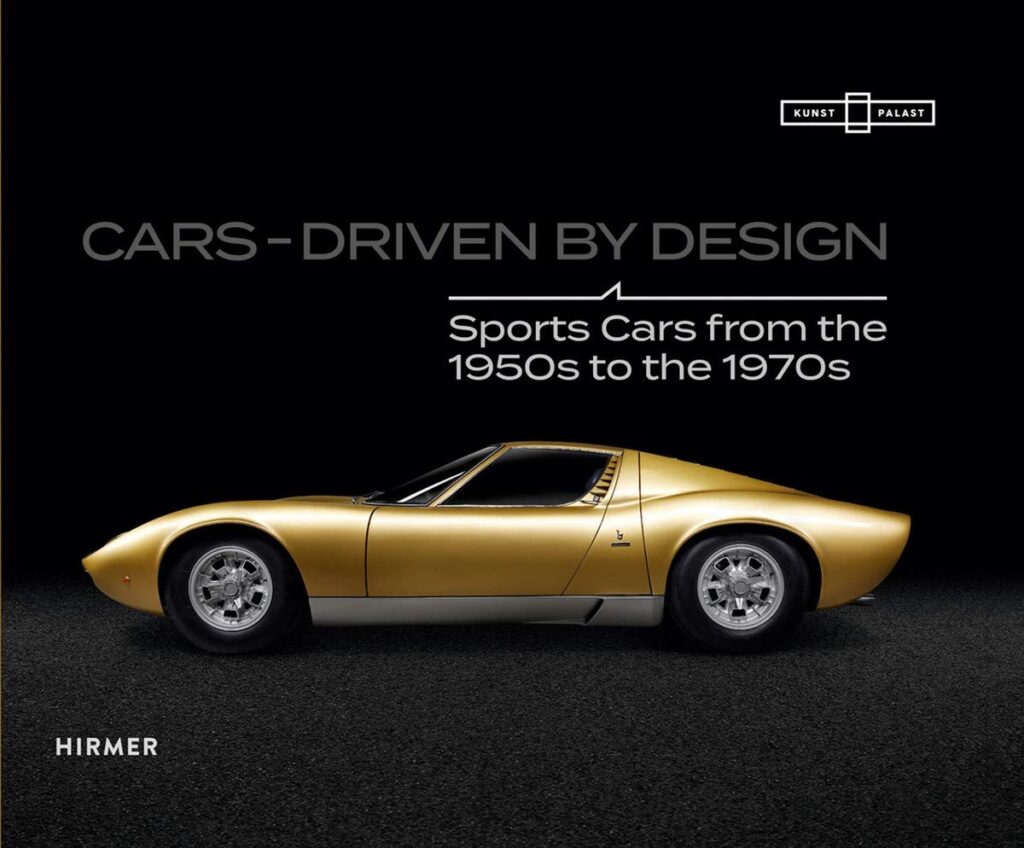
Longer-term ownership brings questions of reliability, parts availability, and maintenance costs. While many components are mechanical and straightforward, sourcing original parts for specific engines or carburetor models can be time-consuming. Regular inspection of cooling systems, fuel lines, and timing components helps prevent overheating or lean conditions during spirited drives. Insurance, storage conditions and a trusted technician influence the ownership experience.
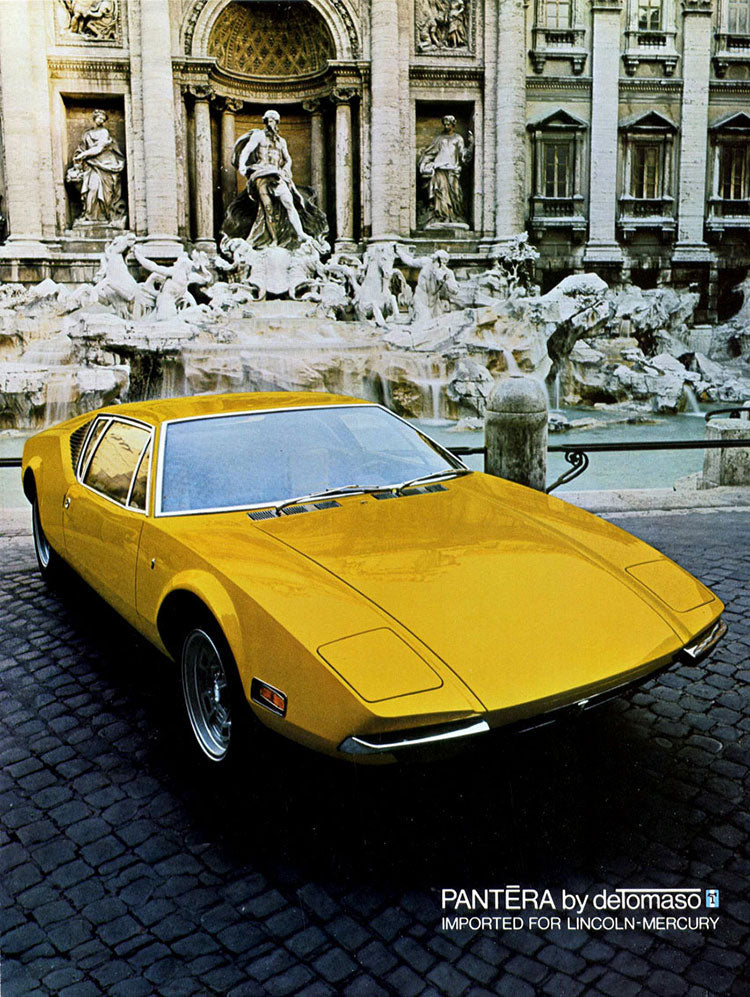
Owning a 1970 sports car is a balance between enjoyment and discipline. The era’s powertrains reward precise, engaged driving while demanding periodic attention to fuel delivery and cooling. With thoughtful maintenance and a curious mindset, these machines remain compelling, offering a direct, analog connection to driving history.


